

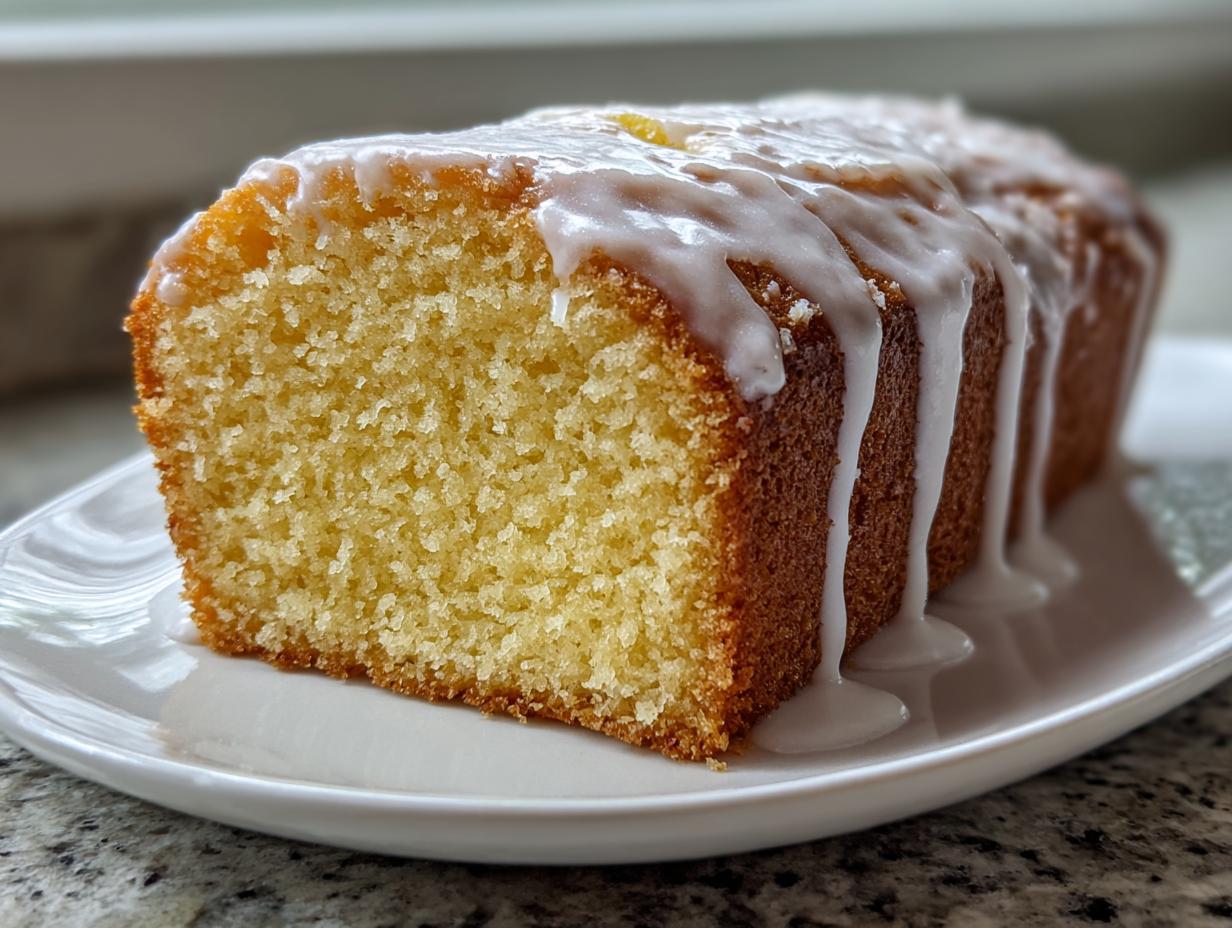
When I think about bringing a little sunshine into my kitchen, it always involves citrus. There’s just something about the bright, clean smell of fresh lemon that lifts the spirit! As a former teacher, my goal is always clarity and reliability, so you can trust that this recipe will deliver exactly what it promises. That’s why I’m sharing my very best one: the Classic Moist Lemon Pound Cake with Tangy Lemon Glaze. It’s easy to follow, wonderfully flavorful, and genuinely produces that perfect, slightly dense crumb we all crave in a homemade treat. If you’re looking for dependable dessert recipes, save this one right now. It’s truly a keeper!
- Why This Classic Lemon Pound Cake Recipe Works (The Secret to a Moist Pound Cake)
- Step-by-Step Instructions for the Best Lemon Pound Cake
- Creating the Tangy Lemon Glaze for Your Lemon Pound Cake with Glaze
- Tips for Success When Making a Homemade Lemon Cake
- Variations on the Classic Lemon Pound Cake: Loaf vs. Bundt
- Serving Suggestions for Your Zesty Lemon Dessert
- Storage and Reheating Instructions for Lemon Pound Cake
- Frequently Asked Questions About Making Lemon Pound Cake
- Estimated Nutritional Snapshot for This Lemon Pound Cake Recipe
- Share Your Homemade Lemon Pound Cake Experience
Why This Classic Lemon Pound Cake Recipe Works (The Secret to a Moist Pound Cake)
People write to me all the time asking for my secret to a moist pound cake. Honestly, there are two things that make this lemon pound cake so wonderful. First, we rely on room temperature ingredients—especially the butter and eggs—which lets them blend together beautifully when mixing. But the true magic ingredient here is the sour cream! If you love rich texture, you might also enjoy my sweet potato pound cake recipe.
When I first started teaching, I struggled getting that perfect crumb in my cakes. It was too dry, or sometimes too crumbly. Once I started folding in the sour cream, WOW! The acid interacts with the leavening agent just right, keeping the whole cake luxurious and tender. It’s what puts this recipe over the top compared to standard recipes.

Gathering Ingredients for Your Lemon Pound Cake
Remember, for the best results, gather everything before you preheat that oven—it saves time and ensures your textures are perfect. Please take special note of the preparation needed for the butter, eggs, and citrus!
You will need:
- 1 1/2 cups (3 sticks) unsalted butter, make sure it’s softened but not melted, please!
- 3 cups granulated sugar
- 6 large eggs, and they absolutely must be at room temperature
- 1 tablespoon lemon zest, that’s usually from about two nice, bright lemons
- 1/4 cup fresh lemon juice, squeezed right before you measure it out
- 1 teaspoon vanilla extract
- 3 cups all-purpose flour
- 1 teaspoon baking powder
- 1/2 teaspoon salt
- 1/2 cup whole milk
- 1/2 cup sour cream, again, room temperature is key. It’s a game-changer!
For the delightful glaze that finishes it off, keep these ready: 2 cups powdered sugar and 4 tablespoons fresh lemon juice. It’s such a simple citrus dessert!
Step-by-Step Instructions for the Best Lemon Pound Cake
Now that we have our beautiful ingredients ready, let’s get mixing! My teaching background really comes into play here because methodical steps ensure you don’t have any flops. We are aiming for that beautiful, reliable lemon pound cake every single time. Pay close attention to preheating first; it’s step one for a reason!
First things first: Get your oven set to 325°F (160°C). Then, get your pan ready. Whether you’re using that grand 10-inch Bundt pan or a smaller 9×5 inch loaf pan, you need to really grease and flour it well. These cakes love to stick, and we spent too much time gathering ingredients to lose any of the finished product!
Next, take out your electric mixer. Cream the softened butter and that lovely sugar together. You need to beat this until it looks truly light and fluffy—that usually takes about five full minutes. Don’t rush that air incorporation; it’s vital for texture!
Mixing the Batter for a Fluffy Lemon Pound Cake
After the eggs are added one by one, along with the vanilla and all that zesty lemon goodness, it’s time for balance. You need to alternate your dry ingredients (flour mix) and your wet ingredients (milk/sour cream mix). This keeps everything from separating!
I always start and end with the dry stuff. Add about a third of the flour mix, mix on low just until it disappears, then pour in half of the milk mix. Repeat this sequence, finishing with the last bit of flour. Do not overmix! Seriously, stop as soon as you can’t see streaks of flour anymore. Overmixing builds gluten, and we are aiming for tender, not tough.
Baking Times and Testing Your Lemon Pound Cake
Pour that beautiful batter into your prepared pan and slide it into the oven. If you used a big Bundt pan, expect to bake it for about 60 to 75 minutes. If you chose a loaf pan, check it closer to the 50-minute mark. We want the best lemon pound cake, not a raw center!
To test if your lemon pound cake is done, always insert a wooden skewer near the very center. If it slides out clean, you’re golden! Let it cool in the pan for exactly 15 minutes before flipping it out onto the rack to finish cooling completely. Patience here means easier glazing later.
Creating the Tangy Lemon Glaze for Your Lemon Pound Cake with Glaze
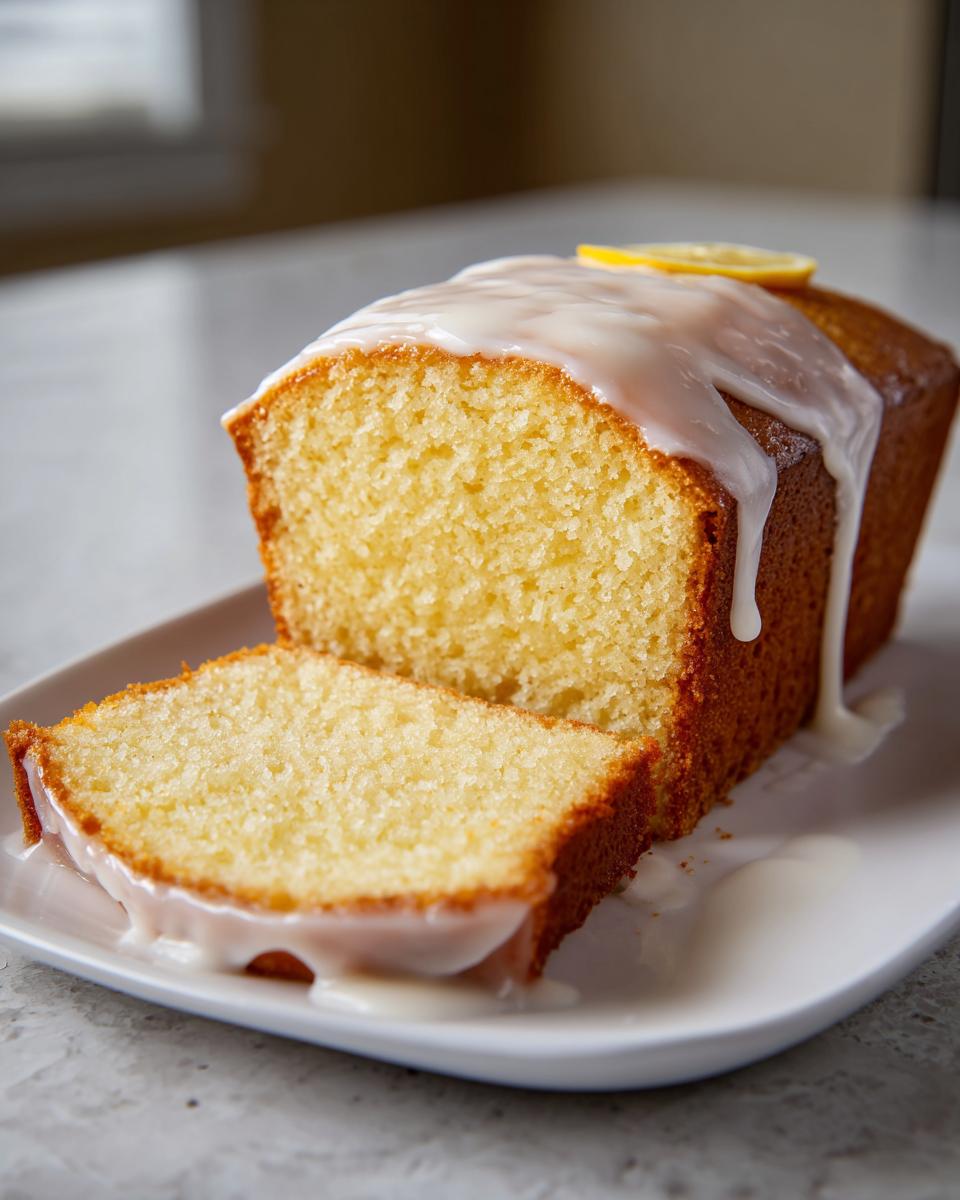
This is my favorite part! Many people skip the glaze, but if you are making a top-tier lemon pound cake with glaze—which you should be—this step is essential for that extra punch of bright flavor. We aren’t looking for a thick frosting here; we want a vibrant, slightly sharp coating, which I call the tangy lemon icing.
Making this simple addition is easy. You just need two things: your 2 cups of powdered sugar and about 4 tablespoons of fresh lemon juice. Whisk them together slowly in a small bowl. Don’t just dump all the juice in at once! Add it just until you reach that perfect consistency—thick enough that it drizzles slowly off your whisk but thin enough to flow beautifully over the cake. This sweet-tart top note is what makes this lemon pound cake unforgettable.
When the cake is totally cool, drizzle that gorgeous glaze over the top. It will seep into the cake a little bit, but mostly it sets up into a lovely, slightly crackly exterior. It’s the perfect finish for a truly classic lemon pound cake.
Tips for Success When Making a Homemade Lemon Cake
I always tell folks that the difference between an *okay* cake and a *spectacular* one often comes down to simple preparation happening before the mixing even starts. Remember how I stressed using room temperature butter and eggs for the creaming step? That applies here too! Making sure your butter, eggs, and even that sour cream have warmed up slightly ensures they emulsify properly, creating a smooth, cohesive batter that bakes evenly. This is just good, dependable baking technique that I learned from years in my own kitchen.
Also, please listen to me about the lemons! Using bottled lemon juice, even the good brands, just won’t give you the same high note of flavor. We are making a homemade lemon cake here, and that means fresh zest and fresh juice are non-negotiable for that truly zesty experience. The zest contains all the fragrant oils—that’s where the real flavor lives—so use a microplane and try to get just the bright yellow part, avoiding the bitter white pith underneath. If you need more basic baking knowledge, I cover temperature management in my buttermilk pancakes recipe, too!
One last thoughtful note, especially if you’re making this loaf cake style: if you aren’t planning to eat the whole beautiful thing in one day, keep it well-wrapped at room temperature. Pound cakes dry out slower than layer cakes, but they still need protection from the air.
Variations on the Classic Lemon Pound Cake: Loaf vs. Bundt
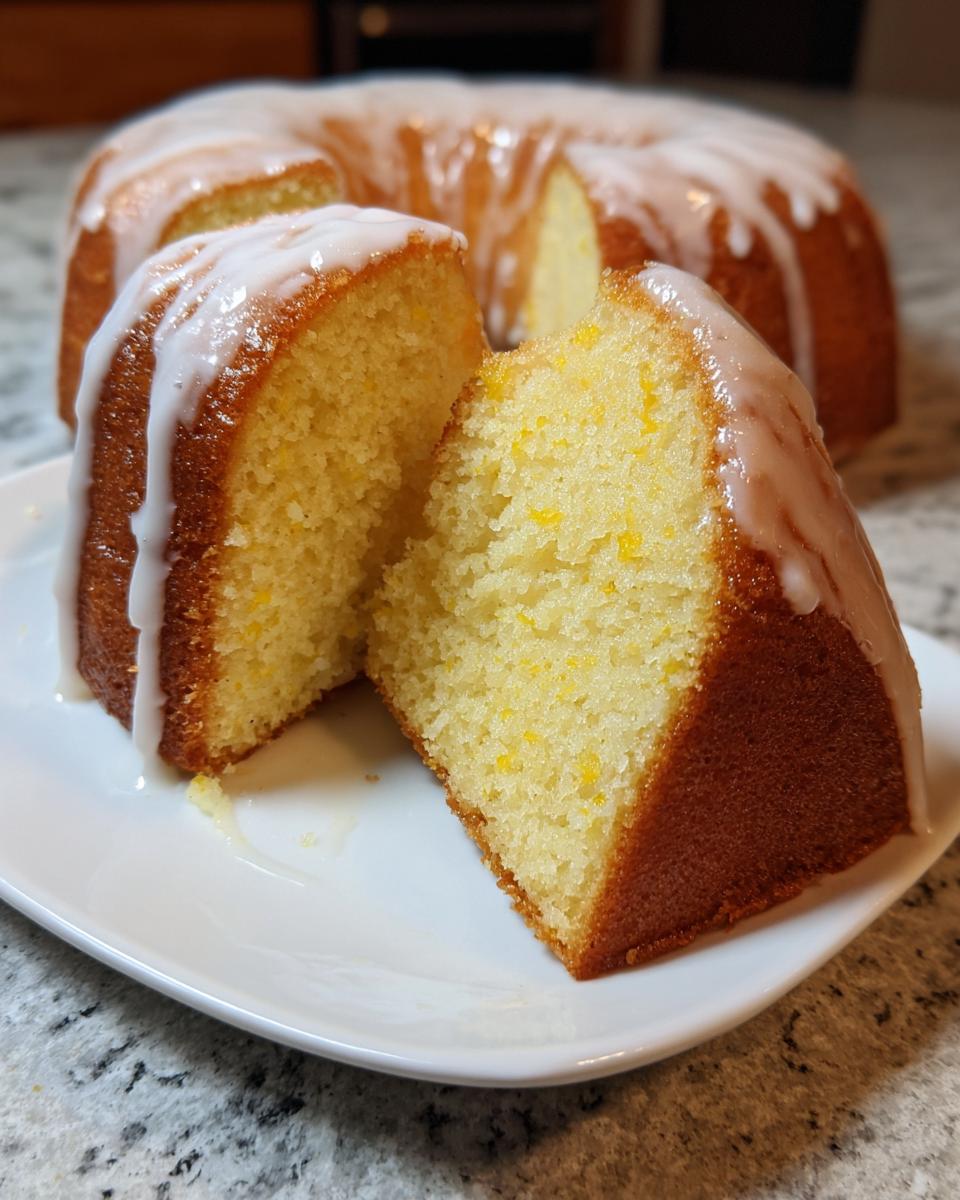
I always get questions about what kind of pan works best for this recipe. The short answer is that both a Bundt pan and a loaf pan work beautifully for our lemon pound cake; it just changes the final look and the baking routine. We cover the Bundt pans a lot because that classic shape is so pretty, but don’t shy away from a simple loaf!
The main difference, as I noted in the instructions, is that the baking time will absolutely change. A deep Bundt pan means the heat has to travel further to reach that center point, so you’re looking at a longer bake, usually hitting that 60 to 75-minute mark. Patience is key here. If you rush it, you risk a gummy middle, and nobody wants that!
A loaf cake, like a sweet potato casserole with pecan crunch, bakes slightly faster because the batter depth is shallower. You’ll likely check it closer to the 50-minute mark. Even with the slight time difference, both pan styles result in that same rich, buttery lemon cake texture we love. The loaf pan is wonderful if you want easy-to-slice squares for an afternoon tea setting, while the Bundt gives you that showstopper presentation.
When using the loaf pan, I highly recommend laying down parchment paper so it hangs over the edges a bit. It gives you little handles to lift the cake out cleanly once it’s just barely cooled enough to handle without tearing. It’s little tricks like that that make baking such a joy!
Serving Suggestions for Your Zesty Lemon Dessert
Now that you have this beautiful, bright cake, how do you serve it? This is such a lovely simple citrus dessert that it really doesn’t need much fuss, but I have a few ways I love to dress it up for company. It makes a wonderful cake to serve when you have friends over for a chat.
If you are using this for afternoon tea cakes, a light dusting of powdered sugar over the glaze—once it’s set—looks elegant. My grandchildren, however, insist on a dollop of fresh, lightly sweetened whipped cream right on the plate beside the slice.
For a truly decadent treat, you can’t beat serving a slice alongside plump raspberries or blueberries. The tartness of the berries plays so nicely against the sweet tanginess of the lemon. It’s a wonderful pairing, and you can find some great ideas for easy homemade chocolate pudding recipes that you could serve alongside if you wanted something extra rich!
Storage and Reheating Instructions for Lemon Pound Cake
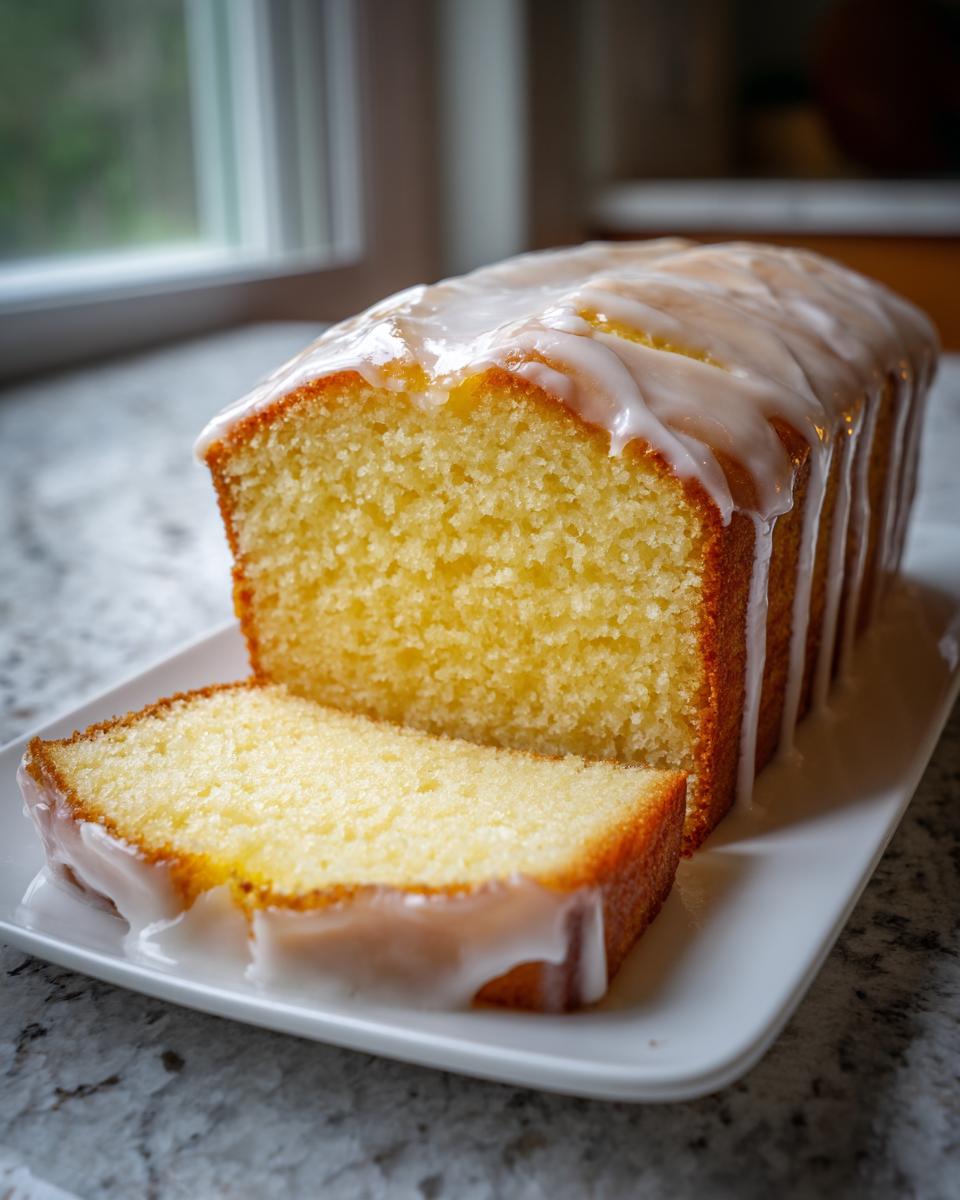
We certainly want this glorious lemon pound cake to stay moist for days! Since this cake has that lovely glaze, my best advice is to store it covered at room temperature for up to three days. Wrap any leftovers tightly in plastic wrap or place them in an airtight container. I actually advise against the refrigerator unless you live somewhere incredibly hot and humid, as the chill can sometimes dry out the buttery crumb structure.
If you are only having a slice or two later in the week, reheating is simple! Just cut your piece and microwave it for about 10 to 15 seconds on a low setting. It warms up the butter just enough to bring back that fresh-from-the-oven tenderness. It’s the perfect way to enjoy a second helping of this delicious, simple citrus dessert!
Frequently Asked Questions About Making Lemon Pound Cake
I always love hearing from you all when you’re trying out one of my classic recipes! It’s wonderful that so many people are enjoying this homemade lemon cake. Here are a few questions I get most often about stopping this recipe from turning dense or maximizing that zesty flavor.
Why did my pound cake end up dense instead of light?
This is almost always one of two issues, which I learned about when teaching baking basics. First, make sure your butter and eggs are truly at room temperature. Cold ingredients don’t cream correctly, so you don’t get those crucial air bubbles. Second, check your mixing time once you add the flour. If you mix the flour in too long, you develop gluten, which results in a chewy or dense texture. For a truly light crumb in this pound cake from scratch, mix only until the flour just disappears!
Can I use bottled lemon juice instead of fresh for this easy lemon cake?
While I stress using fresh lemons for the absolute best lemon pound cake, I understand life gets busy! You *can* use bottled juice in a pinch, but please know that the flavor won’t be as bright or vibrant. The bottled stuff is great for the glaze if you’re out of fresh juice, but for the actual cake batter, fresh is always king to get that true buttery lemon cake profile.
What is the very best pan to use for this recipe?
You actually have a couple of great options here, depending on what you’re serving. The traditional choice is a 10-inch fluted tube pan—that’s your classic lemon bundt cake look. However, this recipe also fits perfectly into a 9×5 inch loaf pan, which is great if you are planning on slicing small pieces for guests. Whichever you choose, just remember that loaf pans usually bake a little faster than those deep Bundt pans, so keep an eye on the time!
I want it extra zesty—what’s the easiest way to boost the flavor?
If you want a truly zesty lemon dessert, my number one tip is twofold: use extra zest! I call for one tablespoon, but if your lemons are small or you just want that extra aroma, go ahead and use the zest of three lemons. Also, try making a warm syrup, made from equal parts sugar and lemon juice, which you poke holes into the hot cake and pour over immediately after baking. This soaks right in and amplifies that citrus punch beautifully!
Estimated Nutritional Snapshot for This Lemon Pound Cake Recipe
Now, before we finish up, I think it’s responsible to give you an idea of what’s in this dessert. Remember, as a home baker and former teacher, I’m calculating these figures using standard ingredient databases, so these numbers are wonderful estimates, but they aren’t exact science done in a lab! When you bake, slight variations in your butter or sugar usage can change things a hair, but this should give you a good baseline.
This classic lemon pound cake is rich—we use real butter and plenty of sugar because that’s what makes it taste like a treat! If you are tracking macros or watching your sugar intake, please keep that in mind when slicing. Maybe pair a smaller slice with a lovely side salad for an easy, quick lunch later in the week!
Here is the breakdown, based on 12 servings:
- Serving Size: 1 slice
- Calories: 450
- Fat: 25g (That’s where the buttery flavor comes from!)
- Saturated Fat: 15g
- Carbohydrates: 55g
- Sugar: 45g
- Protein: 5g
- Cholesterol: 110mg
It’s a delightful, sweet treat, perfect for sharing when you want something truly satisfying. Enjoy every yellow, zesty bite!
Share Your Homemade Lemon Pound Cake Experience
Oh, I truly hope you loved making this sunshine-filled lemon pound cake! After all that work—the creaming, the zesting, the careful glazing—I want to see your beautiful results. Please, take a moment to leave a rating or share a little note in the comments below. Knowing that this recipe is making wonderful memories on your table is the best reward a cook can ask for. If you have any questions while you’re baking, don’t hesitate to reach out via my contact page!
PrintClassic Moist Lemon Pound Cake with Tangy Lemon Glaze

Make this classic lemon pound cake from scratch. It is moist, zesty, and topped with a simple, tangy lemon glaze for a perfect homemade treat.
- Prep Time: 20 min
- Cook Time: 70 min
- Total Time: 90 min
- Yield: 12 servings 1x
- Category: Dessert
- Method: Baking
- Cuisine: American
- Diet: Vegetarian
Ingredients
- 1 1/2 cups (3 sticks) unsalted butter, softened
- 3 cups granulated sugar
- 6 large eggs, room temperature
- 1 tablespoon lemon zest (from about 2 lemons)
- 1/4 cup fresh lemon juice
- 1 teaspoon vanilla extract
- 3 cups all-purpose flour
- 1 teaspoon baking powder
- 1/2 teaspoon salt
- 1/2 cup whole milk
- 1/2 cup sour cream
- For the Glaze: 2 cups powdered sugar
- For the Glaze: 4 tablespoons fresh lemon juice
Instructions
- Preheat your oven to 325°F (160°C). Grease and flour a 10-inch Bundt pan or a 9×5 inch loaf pan.
- In a large bowl, cream together the softened butter and granulated sugar with an electric mixer until the mixture is light and fluffy, about 5 minutes.
- Add the eggs one at a time, beating well after each addition. Mix in the lemon zest, lemon juice, and vanilla extract. Scrape down the sides of the bowl as needed.
- In a separate medium bowl, whisk together the flour, baking powder, and salt.
- In a small bowl, whisk together the milk and sour cream.
- Gradually add the dry ingredients to the wet ingredients, alternating with the milk mixture, beginning and ending with the dry ingredients. Mix on low speed until just combined. Do not overmix.
- Pour the batter evenly into your prepared pan.
- Bake for 60 to 75 minutes for a Bundt pan, or 50 to 60 minutes for a loaf pan, or until a wooden skewer inserted into the center comes out clean.
- Let the cake cool in the pan on a wire rack for 15 minutes. Invert the cake onto the wire rack and let it cool completely.
- To make the glaze, whisk together the powdered sugar and 4 tablespoons of lemon juice until smooth. Add more powdered sugar or lemon juice as needed to reach a thick but pourable consistency.
- Drizzle the tangy lemon icing evenly over the cooled cake. Allow the glaze to set before slicing and serving your moist pound cake.
Notes
- For the best texture, make sure your butter, eggs, and sour cream are at room temperature before you start mixing.
- Use fresh lemons for the brightest, zesty flavor in both the cake and the glaze.
- If you prefer a loaf cake, use a 9×5 inch pan and adjust the baking time down slightly.
Nutrition
- Serving Size: 1 slice
- Calories: 450
- Sugar: 45g
- Sodium: 210mg
- Fat: 25g
- Saturated Fat: 15g
- Unsaturated Fat: 10g
- Trans Fat: 0.5g
- Carbohydrates: 55g
- Fiber: 1g
- Protein: 5g
- Cholesterol: 110mg