

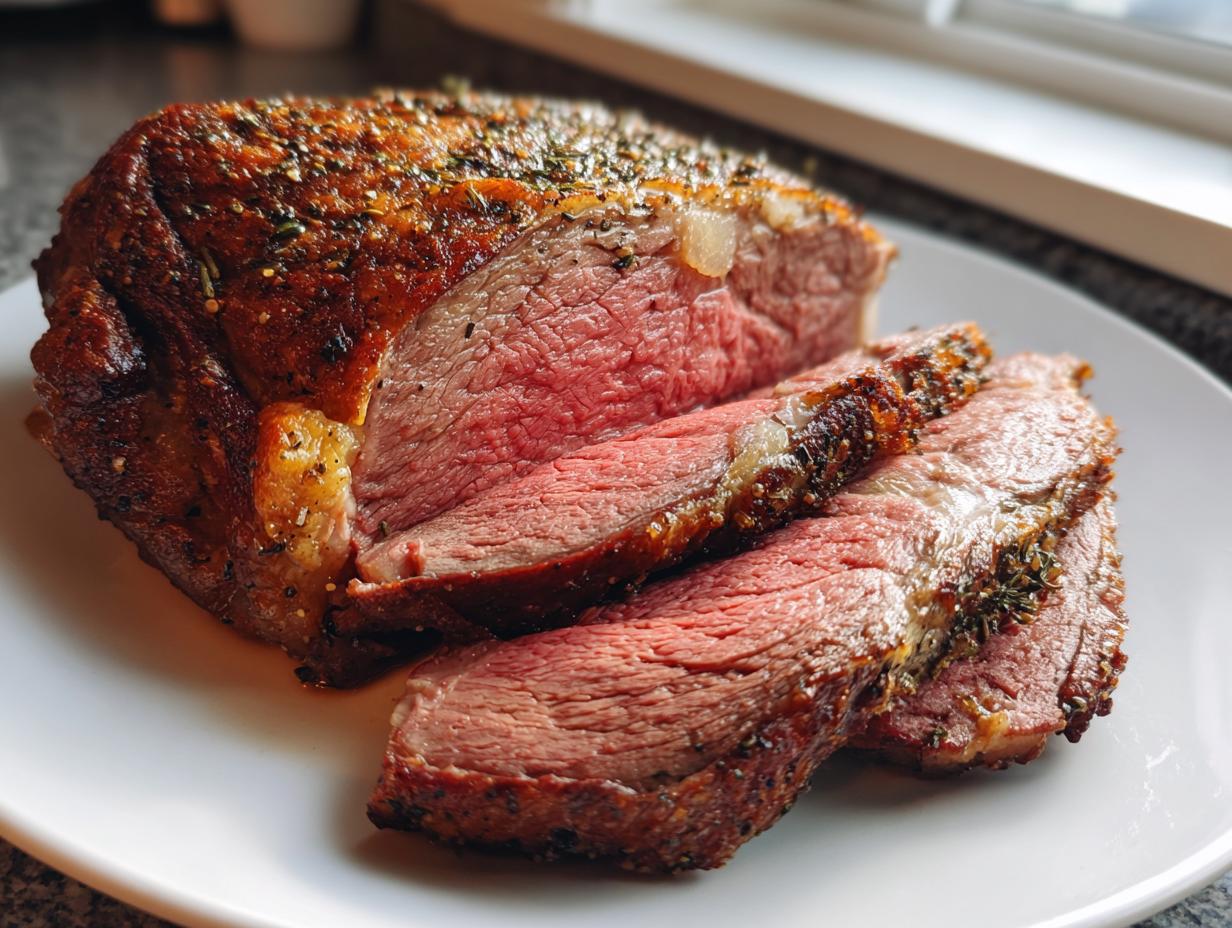
Oh, my dear cooks, I know exactly what you’re thinking when you look at that beautiful, expensive cut of meat sitting on your counter, ready for your big holiday dinner. You’re worried sick about overcooking it, right? I spent years teaching little ones to read, and I bring that exact patience and clarity to my kitchen because I know mistakes cost time and money! That worry melts away today, because I’m sharing my most dependable prime rib recipe: The Ultimate Garlic Herb Butter Prime Rib Roast. Trust me when I say this straightforward method, which we call the ‘500 Rule’ technique, guarantees that melt-in-your-mouth tenderness and that gorgeous crust. This is dependable home cooking at its finest, designed to make you look like a culinary star!
- Why This Is The Best prime rib recipe Ever (The Foolproof Method)
- Gathering Ingredients for Your prime rib recipe
- Easy prime rib instructions: Mastering the Oven Roasted prime rib
- The Crucial Rest: Don't Skip This Step in Your prime rib recipe
- Tips for a Successful prime rib recipe: Carla's Expert Advice
- Serving Suggestions for Your Holiday Roast Centerpiece
- Storage and Reheating Instructions for Leftover prime rib recipe
- Frequently Asked Questions About This prime rib recipe
- Nutritional Estimates for This prime rib recipe
- Share Your Perfect Prime Rib Roast Experience
Why This Is The Best prime rib recipe Ever (The Foolproof Method)
When you invest in a beautiful standing rib roast, you need a prime rib recipe that just *works*. My goal, just like when I taught third grade, is to give you clear instructions that eliminate confusion. That’s why this ‘500 Rule’ is so popular—it’s my own Foolproof Roast Technique! We guarantee you’ll end up with a Perfect Prime Rib Roast, never gray and tough, but perfectly done every time. You can find more reliable methods like this over at this trustworthy source, though my version is just a bit cozier!
Guaranteed Juiciness and Tender Texture
The secret to that Melt in Your Mouth Roast Beef isn’t just the initial heat; it’s the temperature management and the essential rest time afterward. We pull the meat just before it hits the target, and during that rest, carry-over cooking finishes the job gently. That means all those beautiful juices stay locked inside, giving you that tender bite you dream about! If you love juicy roasts, you’ll adore my trick for the juiciest meatloaf, too.
The Perfect Herb Crusted prime rib recipe
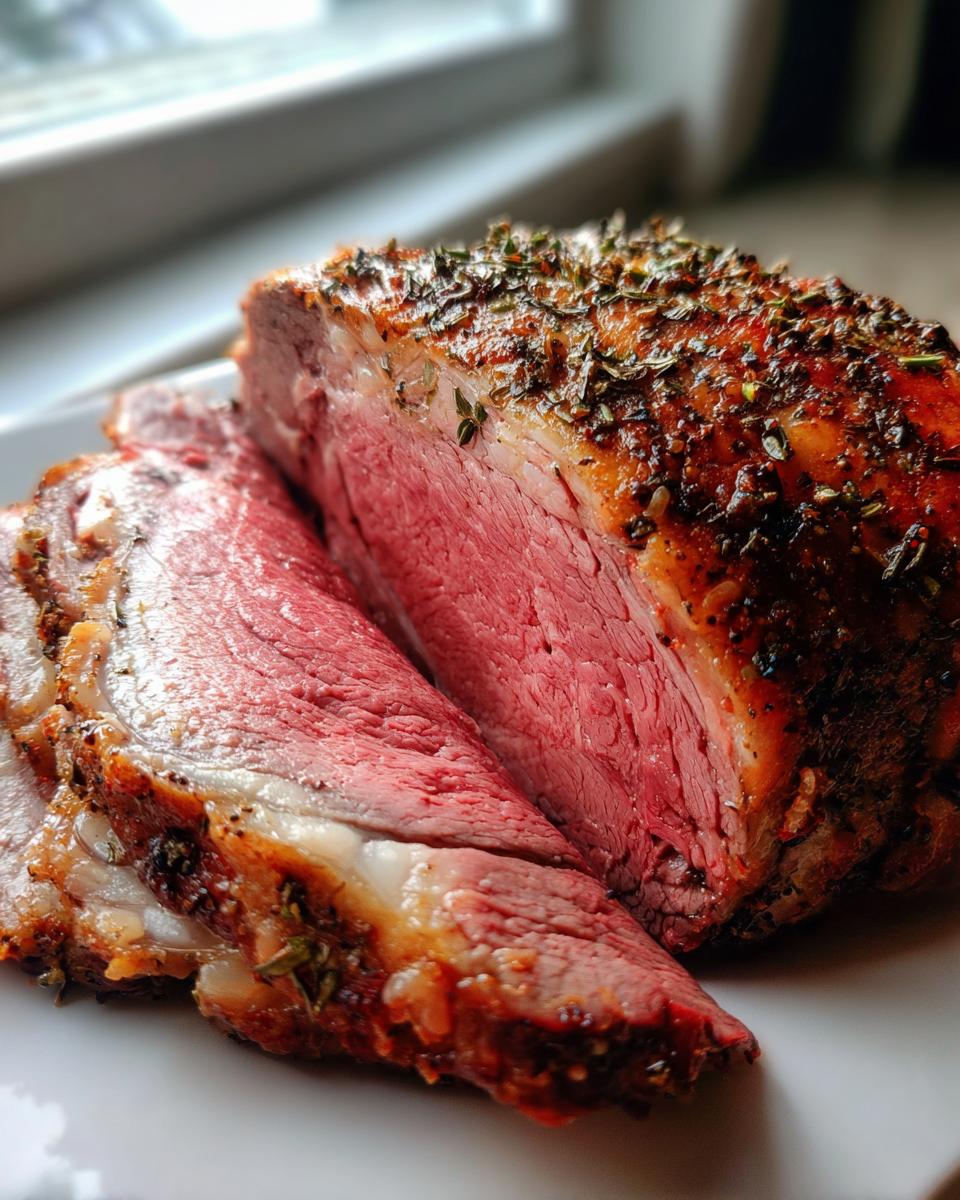
We wrap this roast in a blanket of flavor that screams holiday celebration! My signature garlic and herb butter turns into the most incredible Herb Crusted Prime Rib you’ve ever tasted. The rosemary and thyme sing right alongside the buttery garlic, creating a rich, savory shell that locks in all that beefy goodness underneath. It smells heavenly while it cooks, too!
Gathering Ingredients for Your prime rib recipe
When you’re making a centerpiece like this, you don’t want to run to the store halfway through! Getting the ingredients laid out first really sets you up for success. Remember, with a high-quality cut like this, the best seasoning is simple and lets that beautiful beef flavor shine through. If you’re looking for other fantastic flavor bases, check out my creamy hot chocolate recipe—it’s all about quality ingredients!
The Roast and Seasoning Base
You’ll need your star, of course: one good, bone-in prime rib roast, tied up nice and snug. For the dry seasoning, keep it even: coarse sea salt (this gets into the crevices!), black pepper, dried rosemary, and dried thyme. Coarse salt really helps create that initial texture on the outside, so don’t swap it out for fine table salt here!
Crafting the Garlic Butter prime rib recipe Rub
Next up is our flavor bomb! You need unsalted butter that is truly, completely softened—I mean soft enough to stir easily with a fork, but absolutely not melted or greasy. We mix that with fresh minced garlic, garlic powder, and a little more pepper. Spread this heavenly paste all over that roast; patience here means an even crust later on!
Easy prime rib instructions: Mastering the Oven Roasted prime rib
Now we get down to the real business! Pulling off this magnificent centerpiece doesn’t require complicated math, just following a few simple steps in order. These Easy Prime Rib Instructions are designed so you can focus on enjoying your guests instead of hovering nervously over the oven door. When you want that perfectly crusty exterior coupled with a tender center, the technique matters more than anything!
Preparation: Bringing the prime rib recipe to Temperature
Here’s where patience pays off big time. Take that gorgeous roast out of the fridge at least two, maybe three hours before you plan to start cooking. We need it to warm up a bit so it cooks evenly! After it has rested on the counter, you must pat the entire surface bone-dry with paper towels. Don’t skip this step! If the meat is wet, the high heat steam instead of searing, and we won’t get that lovely crust we worked so hard to create.
The 500 Degree Blast and Temperature Drop
Set that oven to a screaming hot 500 degrees Fahrenheit. Place the buttered, seasoned roast fat-side up on a rack in the pan—no water, no tricks, just meat on metal! We blast it high for exactly 15 minutes. This is pure searing magic, the start of our Foolproof Roast Technique. Right after those 15 minutes are up, you must reduce the heat to 325°F, and please, don’t open the door during that initial blast!
Achieving the Perfect Medium Rare Roast Beef
Once the oven is at 325°F, we start checking the temperature regularly. This is non-negotiable: you need a good meat thermometer. We are aiming for an internal pull temperature of 125°F if you want that beautiful, iconic Medium Rare Roast Beef. Insert that thermometer into the thickest part of the meat, making sure you aren’t touching any bone underneath. Trust your thermometer; it’s your very best friend for a high-cost project like this!
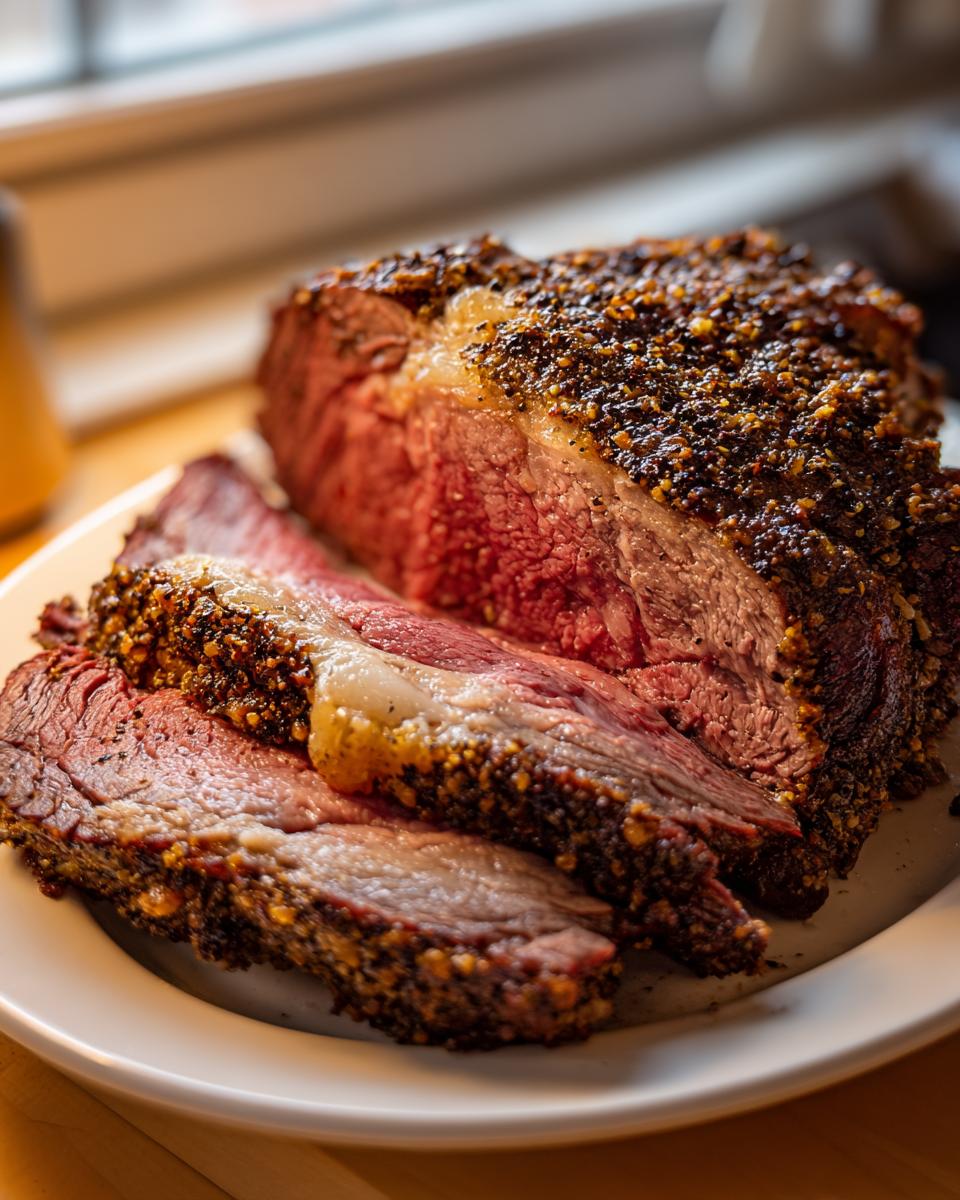
Once it hits 125°F, pull it right out! If you’re serving these potatoes alongside, they bake up perfectly while the roast is resting. You can find my recipe for crispy oven-roasted breakfast potatoes right here.
The Crucial Rest: Don’t Skip This Step in Your prime rib recipe
If you take away only one lesson from my years of teaching—or from this entire prime rib recipe—let it be this: You absolutely *must* let the roast rest. I know it’s hard! You’ve just created this massive, fragrant, gorgeous roast, and all you want to do is carve into it right away. But resist that urge! Think of it like letting dough rise—a critical step that happens outside of the oven.
When the roast comes out at 125°F, those muscle fibers are still tight and channeling all the juices right to the center. If you slice it immediately, all that delicious melted fat and moisture runs right out onto your cutting board, giving you dry meat. We want to avoid that mess!
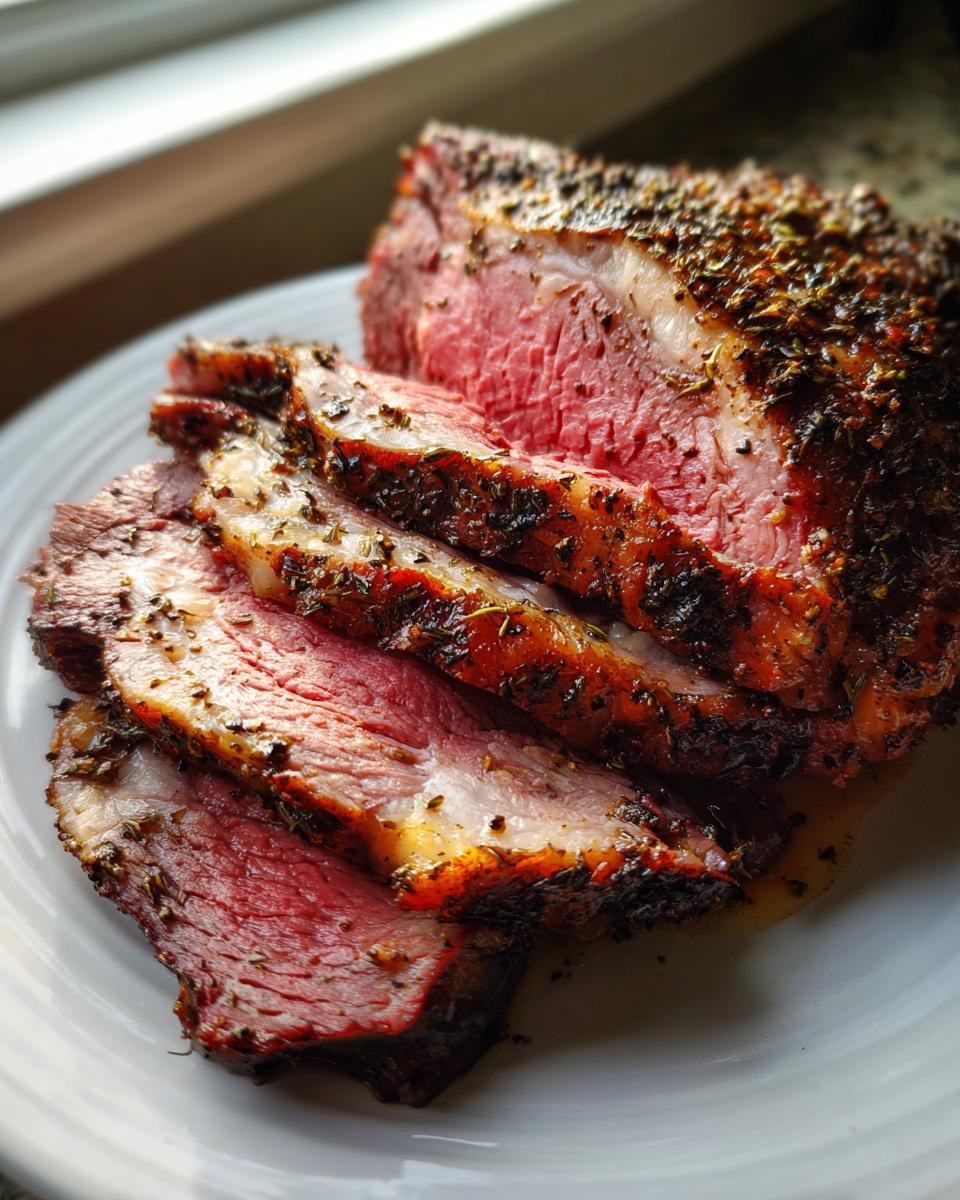
Tent that beauty loosely with aluminum foil—don’t wrap it tight, or the crust will get soggy—and leave it completely alone on the counter for a solid 15 to 20 minutes. During this time, something wonderful happens: the temperature continues to climb, usually landing you perfectly in that sweet spot between 130°F and 135°F. That’s medium-rare perfection, folks!
This guaranteed carryover cooking is part of why this method feels so incredibly Foolproof Roast Technique. Resting is where those juices redistribute evenly; it’s the final, calm step that makes sure every single slice is a ‘Melt in Your Mouth Roast Beef’ experience. If you need a quick, easy dessert to satisfy that sweet craving while you wait those critical 20 minutes, my homemade chocolate pudding is quick enough for the job!
Tips for a Successful prime rib recipe: Carla's Expert Advice
Even with our incredible prime rib recipe and the 500 Rule guiding us, you might have little worries popping up—that’s normal when you’re serving a gorgeous Holiday Roast Centerpiece! I like to think of these little tips as the extra homework that always earns you an A+. Don’t be shy about checking out reliable testing sites when you have questions, but for now, let me share what I’ve learned.
Selecting the Right Bone In Prime Rib Recipe Cut
My recipe calls for bone-in, and there’s a reason for that! Those bones act like little natural insulation shields, helping to keep the meat nearest to them juicier. If you buy boneless, just plan for it to cook a little faster. You’ll need to watch that thermometer even more closely. If you’re looking for another amazing creamy sauce to go with your beef, you simply must try my recipe for Alfredo sauce—it’s heavenly.
Making a Simple Au Jus for Your prime rib recipe
Once you’ve carved that stunning roast and you’re left with those flavorful drippings in the pan, don’t toss that gold! That’s the base for the best, most flavorful gravy imaginable, which makes for a true Ultimate Roast Dinner. Skim off the majority of the fat—it’s usually quite a bit—then pop the roasting pan on the stovetop over medium heat. Add a cup or two of beef broth and scrape up all those tasty brown bits stuck to the bottom. Let it simmer for about ten minutes until it reduces just a little. Taste it, and you’re done! So simple, yet so flavorful.
Serving Suggestions for Your Holiday Roast Centerpiece
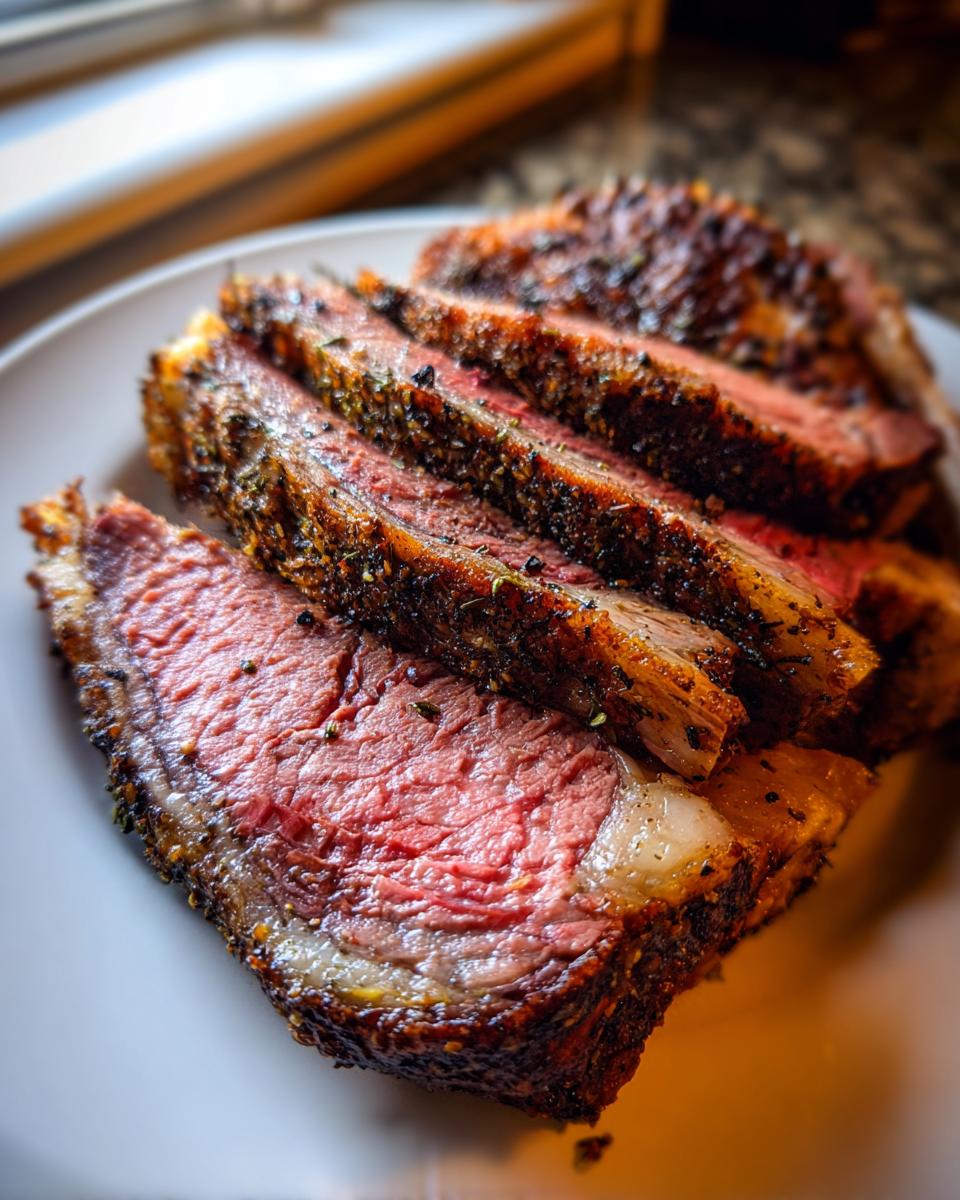
Well, you’ve mastered the cooking part—now we need to make sure the plate looks as spectacular as that roast tastes! You’ve put in the time to create the perfect Holiday Roast Centerpiece, so let’s surround it with sides that truly complement that rich, garlicky beef flavor. This roast is the star, so the supporting cast needs to be delicious but shouldn’t compete, if you know what I mean. They need to be comforting and classic!
When I picture a perfect holiday table next to such a majestic cut of beef, I immediately think of velvety textures and a little bit of sweet contrast to cut through the richness. Nothing beats a good mashed potato, but since we’re going all out, let’s think about something a touch more special. Have you ever tried my recipe for sweet potato casserole with the crunchy pecan topping? That sweet earthiness plays absolutely beautifully against the savory herbs on the prime rib. It’s a crowd-pleaser every single time.
For green vegetables, you can’t go wrong with something bright. Roasted asparagus tossed simply with olive oil, salt, and pepper is fast and elegant. Or, if you want something creamy yet hearty, my cheesy potato casserole always brings folks back for seconds. The key is to have a variety of textures on the plate—the tender beef, creamy potatoes, and a nice crisp vegetable for balance. That’s how you build a memorable meal, not just a plate of food!
Storage and Reheating Instructions for Leftover prime rib recipe
Now, listen to Carla for a moment! The hardest part of making the best prime rib recipe is often having delicious leftovers the next day. That rich, gorgeous meat just begs to be enjoyed again, but we certainly don’t want to ruin that tender texture we worked so hard for! You might think you can just blast those slices in the microwave, but trust me, that’s the quickest way to turn your fantastic roast into something tough and dry. We are treating these leftovers with the respect they deserve.
For storage, the best way to protect those slices is to keep them whole, or cut them into slightly thicker pieces than usual slice. You want to store them in an airtight container in the refrigerator. Honestly, they hold up beautifully for about three to four days. If you cut them super thin right away, they tend to dry out faster once they are exposed to the air in the fridge.
When it comes to reheating, we need gentle heat and added moisture. I never recommend microwaving your prime rib slices directly. Instead, whether you’re warming up a small plate or a larger portion, you want to use the oven or the stovetop method. For a few slices, gently warm them in a pan over very low heat—I mean low!—with a splash or two of beef broth or water added to the pan. The liquid turns to steam and keeps the meat incredibly moist. Don’t cover them too tightly, you still want to enjoy that wonderful flavor we created!
If you’re reheating a bigger portion, pop the slices into a shallow oven-safe dish, add maybe a quarter cup of broth, cover the dish tightly with foil, and place it in an oven set to just 275°F. Let it warm up slowly for about 15-20 minutes until it’s just heated through. This slow, steamy warming keeps that perfect Medium Rare Roast Beef texture intact!
If you’re looking for a fantastic way to use up any extra meat alongside those savory slices, you absolutely have to try my scalloped potatoes and ham casserole. It takes any dinner leftovers and turns them into a complete, comforting meal for the next night!
Frequently Asked Questions About This prime rib recipe
It’s only natural to have questions when you’re working with such a wonderful cut of meat! Worrying about the timing is half the battle, but I promise, once you trust the process, you won’t be nervous anymore. We’ve covered a lot, but let’s tackle a few final concerns so you feel totally prepared to make this your new favorite prime rib recipe.
Can I use a boneless roast for this prime rib recipe?
Yes, you certainly can! Many folks prefer the boneless roast because it’s easier to carve, but remember that the bone adds insulation, which helps keep the meat closer to the bone tender. If you go boneless, just keep a very close eye on the temperature. It will cook faster than the bone-in version, so you might want to knock 5 to 10 minutes off the total cook time at 325°F. Timing is the only real difference!
How do I ensure my prime rib is ‘Medium Rare Roast Beef’?
This is my favorite question because it highlights the most important tool in your kitchen: your meat thermometer! To guarantee that perfect texture that turns into a Medium Rare Roast Beef, you need to pull the roast immediately when the thickest part reads 125°F. Then, you let it rest for 20 minutes, and carryover cooking moves it right up to that beautiful 130°F to 135°F finish line. Don’t guess; use that thermometer!
Is the 500 degree method safe for a small roast?
That high-heat blast is what starts that crust, so we want to keep it! However, the recipe notes mention that if you have a smaller roast—say, under 5 pounds—you should decrease the initial searing time at 500°F from 15 minutes down to just 10 minutes. It’s all about balancing that initial sear with the smaller overall mass of meat. You can use this Foolproof Roast Technique for smaller cuts, just adjust that starting blast time!
If you’re already planning make-ahead breakfasts for after the feast, check out my directions for making the easiest French toast!
Nutritional Estimates for This prime rib recipe
Now, I always encourage folks to focus on flavor and enjoyment—really, we shouldn’t worry too much about numbers when we’re serving up a magnificent Holiday Roast Centerpiece like this! However, just to satisfy those who like to plan their meals closely, I’ve put together the estimated nutritional information based on the ingredients listed in this prime rib recipe.
Please remember, these are just good faith estimates based on the average of restaurant-style servings. The actual numbers can change depending on exactly how much bone you carve around or the specific cut you purchase. After all, every home serving is a little different, right?
- Serving Size: 6 oz cooked
- Calories: 450
- Fat: 30g
- Saturated Fat: 15g
- Protein: 40g
- Carbohydrates: 0g
- Sugar: 0g
- Sodium: 450mg
Because this recipe is based purely on beef, fat, and savory herbs, you’ll see the carbs are totally zero, which is great if you’re watching those! If you’re enjoying this grand dinner and want to pair it with a fantastic side dish that brings color and crunch, you simply must make my recipe for crispy ham and cheese potato croquettes. They are the perfect hearty contrast to that rich roast beef!
Share Your Perfect Prime Rib Roast Experience
Now that you have my tried-and-true method for making the Perfect Prime Rib Roast, I honestly can’t wait to hear all about it! Cooking should always feel like sharing a story, and your holiday table is the best place to start telling yours. Did your family gather around as you carved it? Did the smell of garlic and herbs fill your kitchen all afternoon?
The heart of Cooking by Carla is seeing your success! If this prime rib recipe gave you the confidence to tackle a big roast without any of that old stress, please let me know. I thrive on knowing these recipes work for real families on real holidays.
If you tried it, would you mind taking just a moment to leave a rating below? Five stars lets other home cooks know this is a reliable recipe they can turn to when they need an impressive Holiday Roast Centerpiece. A single star rating is incredibly helpful for me to see if I need to clarify any steps in my instructions.
And, oh, please, if you snapped a picture of that beautiful crust or the perfectly pink cross-section, share it! You can upload photos right in the comments section or tag me on social media. I love gathering all your beautiful creations together—it truly makes my day knowing I helped make your dinner special. If you ever have questions later or just want to send a note about how it went, don’t hesitate to reach out to me directly over on my Contact Page. Happy cooking, dear friends!
PrintThe Ultimate Garlic Herb Butter Prime Rib Roast (Fool-Proof 500 Rule)
Make a tender, juicy prime rib roast with a perfect crust using this simple, foolproof oven method. This recipe guarantees a medium-rare roast every time, making it the ideal centerpiece for your holiday dinner.
- Prep Time: 20 min
- Cook Time: 2 hr 30 min
- Total Time: 3 hr 00 min
- Yield: 6-8 servings 1x
- Category: Main Course
- Method: Oven Roasting
- Cuisine: American
- Diet: Low Fat
Ingredients
- 1 (5-7 lb) bone-in prime rib roast, tied
- 2 tablespoons coarse sea salt
- 1 tablespoon freshly ground black pepper
- 1 tablespoon dried rosemary
- 1 tablespoon dried thyme
- 1 tablespoon garlic powder
- 1/2 cup unsalted butter, softened
- 4 cloves garlic, minced
Instructions
- Remove the prime rib roast from the refrigerator 2 to 3 hours before cooking to allow it to come closer to room temperature. Pat the entire roast dry with paper towels.
- Preheat your oven to 500 degrees Fahrenheit.
- In a small bowl, combine the softened butter with the minced garlic, salt, pepper, dried rosemary, dried thyme, and garlic powder to create the herb butter rub.
- Spread the garlic herb butter evenly over the entire surface of the roast, pressing it gently into the meat.
- Place the roast, fat-side up, in a roasting pan fitted with a rack. Do not add any liquid to the pan.
- Place the roast in the preheated 500°F oven and cook for exactly 15 minutes. This high heat creates the crust.
- Reduce the oven temperature to 325°F without opening the oven door. Continue roasting until the internal temperature reaches 125°F for medium-rare. Use a meat thermometer inserted into the thickest part of the roast, avoiding the bone. This usually takes about 13-15 minutes per pound at this lower temperature.
- Once the roast reaches 125°F, immediately remove it from the oven.
- Tent the roast loosely with aluminum foil and let it rest on the counter for 15 to 20 minutes. The internal temperature will rise to about 130°F to 135°F (medium-rare).
- Slice the roast between the bones and serve immediately.
Notes
- For a perfect medium roast, pull the roast when the thermometer reads 130°F, resting to 135°F.
- If you are cooking a smaller roast (under 5 lbs), adjust the initial 500°F time to 10 minutes.
- You can make a simple au jus by placing the roasting pan drippings on the stovetop, skimming off excess fat, and simmering with beef broth.
Nutrition
- Serving Size: 6 oz cooked
- Calories: 450
- Sugar: 0
- Sodium: 450
- Fat: 30
- Saturated Fat: 15
- Unsaturated Fat: 15
- Trans Fat: 1
- Carbohydrates: 0
- Fiber: 0
- Protein: 40
- Cholesterol: 140