

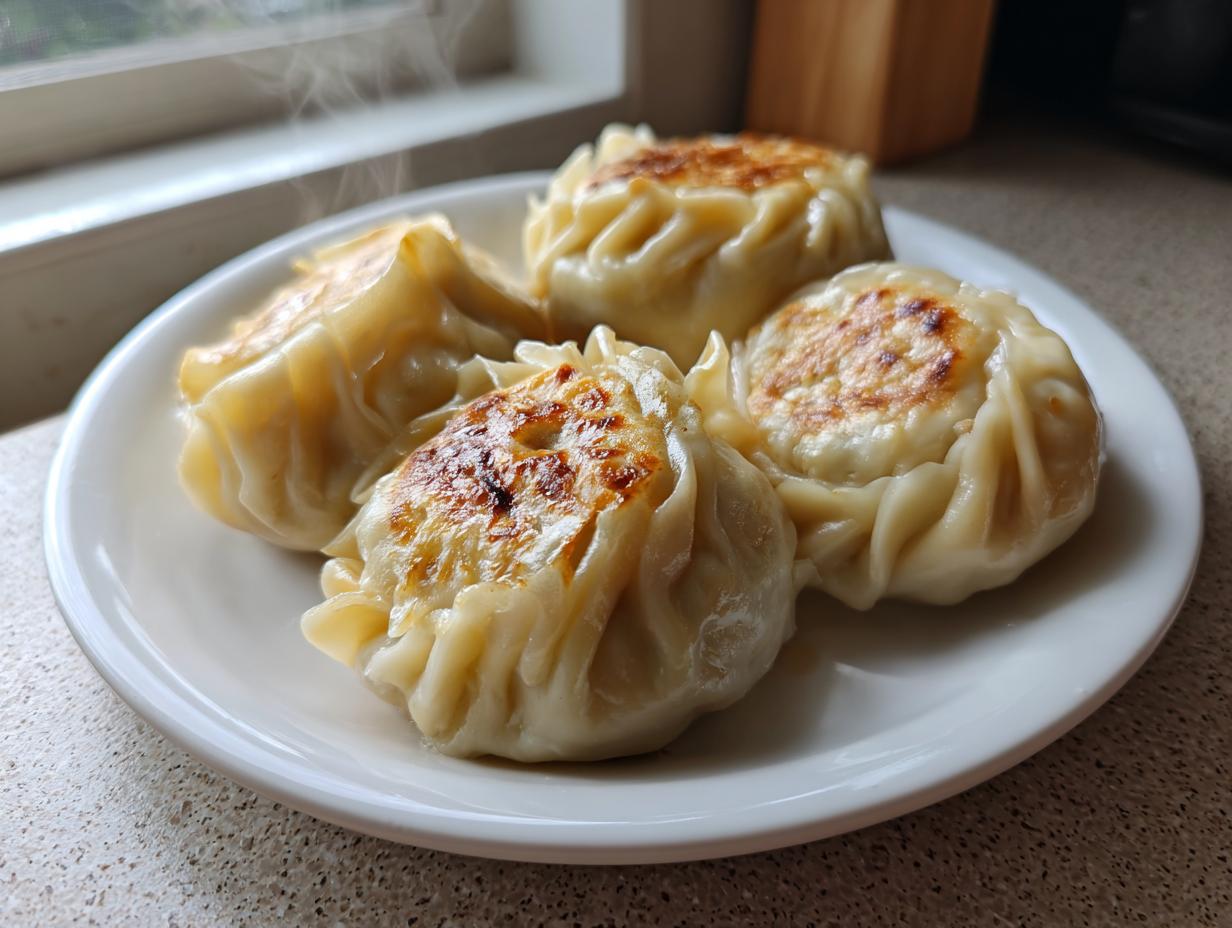
There’s nothing in the world quite like the comfort of food made completely from scratch, and that’s especially true for my favorite bite: Traditional Chinese Dumplings. I know rolling out wrappers seems slow, but trust me, it’s worth every second! After thirty years of teaching elementary school, I learned that complex things just need to be broken down into simple, patient steps. That’s exactly how we’re going to master this recipe for authentic jiaozi. We are going all in—filling *and* scratch wrappers—for the most satisfying dumplings you’ll ever eat at home. You won’t believe how good these are!
- Why This Traditional Chinese Dumplings Recipe Works for Home Cooks
- Gathering Ingredients for Traditional Chinese Dumplings
- Crafting the Perfect Pork Cabbage Dumplings Filling
- Step-by-Step Guide to Homemade Dumpling Wrappers
- Cooking Instructions for Boiled Chinese Dumplings
- Tips for Making Freezer Friendly Dumplings
- Serving Suggestions for Authentic Jiaozi
- Frequently Asked Questions About Traditional Chinese Dumplings
- Estimated Nutritional Breakdown for Traditional Chinese Dumplings
- Estimated Nutritional Breakdown for Traditional Chinese Dumplings
Why This Traditional Chinese Dumplings Recipe Works for Home Cooks
I developed this recipe using the same structure I used when teaching my third graders—break it down, practice patience, and you’ll succeed! It’s designed to feel achievable, even if you’ve never touched dough before.
- The filling uses a proven ratio of pork to cabbage that keeps things balanced instead of watery.
- Don’t worry about the wrappers! My hot water dough method keeps everything pliable and easy to manage.
- The cooking process is foolproof; I show you the exact water trick so you don’t end up with soggy messes.
Simple Steps for Authentic Jiaozi
We’re making these dumplings manageable enough for a Tuesday night, not just saving them for Lunar New Year. The steps are sequential and straightforward. You’ll be surprised how quickly you move from making the dough to sealing your first few beautiful, authentic jiaozi. Take your time folding them the first few times; that’s the fun part!
Gathering Ingredients for Traditional Chinese Dumplings
Okay, you’re ready to make real, honest-to-goodness Traditional Chinese Dumplings, and that starts with loving your ingredients! I’m a firm believer that if you’re going to take the time to make something from scratch, you need the best quality components. For the filling, we’re looking for juicy ground pork and crisp Napa cabbage. Don’t even think about skipping the grating of fresh ginger—that bright zing wakes everything up! Before we even mix the filing, remember to salt that poor cabbage first. It feels silly, but that step pulls out the excess water so our dumplings don’t become swimming pools later on. It’s all about precision when you’re aiming for perfect flavor!
Ingredients for the Pork Cabbage Dumplings Filling
This is the heart of our pork cabbage dumplings. Make sure you have everything measured out close by before you start combining:
- 1 pound ground pork (I prefer about 80/20 for flavor!)
- 3 cups Napa cabbage, finely chopped
- 1/2 cup chopped fresh chives
- 2 tablespoons soy sauce
- 1 tablespoon sesame oil
- 1 teaspoon grated fresh ginger
- 1/2 teaspoon salt (Half goes to the cabbage, half to the mix!)
- 1/4 teaspoon white pepper
Making Homemade Dumpling Wrappers
This is where the magic really happens! Using hot water is the game-changer here; trust me, it makes these homemade dumpling wrappers so soft and workable. If you’re aiming for beautiful, thin wrappers that hold up when boiled, this list is what you need:
- 2 cups all-purpose flour for wrappers
- 3/4 cup hot water for wrappers (It needs to be hot, almost too hot to handle!)
Crafting the Perfect Pork Cabbage Dumplings Filling
Now that our cabbage has happily given up its extra water—remember, we want flavor, not soup!—it’s time to put everything together. This mixing stage is crucial for great Traditional Chinese Dumplings. When you combine the pork, the herbs, and the seasonings, you need to treat it gently but firmly. Don’t just stir until it’s combined; you need to work it a bit!
Keep folding and stirring in one direction until the whole mixture feels really sticky. That stickiness is your friend! It helps the filling grab onto the wrapper and keeps everything tight when you fold those beautiful pleats. If your filling feels loose, you won’t get that satisfying, plump bite we’re looking for. If you want to see more about my philosophy on simple, honest cooking, take a peek at my About page; it explains why I focus on technique over flashy ingredients!
Step-by-Step Guide to Homemade Dumpling Wrappers
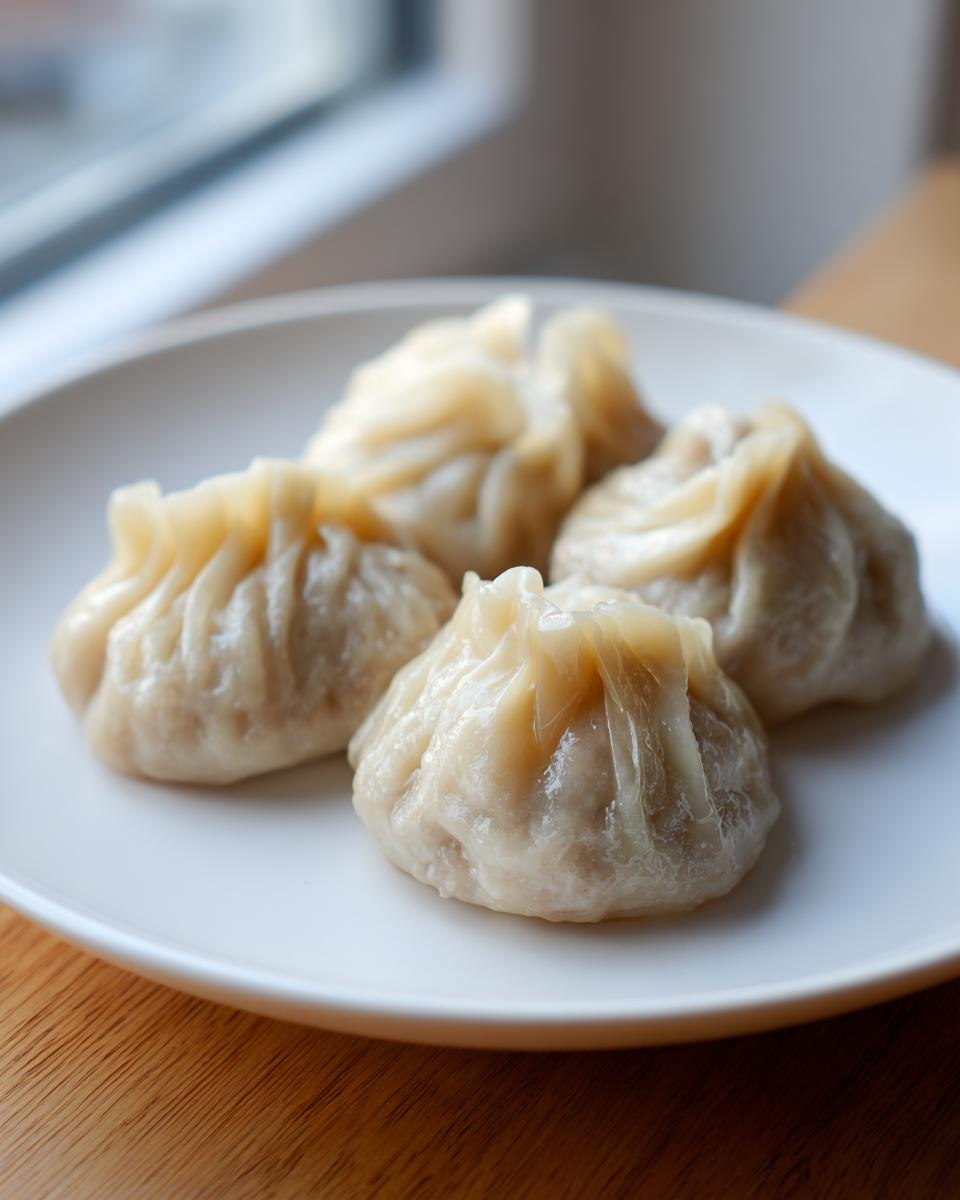
This is where we build real expertise, friends! Making the dough for our homemade dumpling wrappers is surprisingly fast, but technique matters. Forget those complicated yeast doughs; this one relies on hot water, which essentially par-cooks the starch a little bit, making the dough super soft and forgiving. You’ll put the flour in a bowl, and then slowly drizzle in that hot water while mixing it with chopsticks. Don’t worry if it looks messy at first—it should look like coarse, shaggy bits. That means you’re on the right track!
Once you can handle it, turn that shaggy mess out onto the counter and start kneading. You need to work this dough for a good eight to ten minutes until it feels unbelievably smooth, like satin. It’s a little workout, but the reward is worth it! After that kneading is done, cover the dough tightly with a damp cloth or plastic wrap and let it rest for just 30 minutes. This resting time is non-negotiable; it lets the gluten completely relax, resulting in wrappers so easy to roll out, you’ll feel like a pro.
Rolling and Shaping Your Traditional Chinese Dumplings
Once rested, we divide the dough into four ropes and cut those into small, bite-sized pieces. Now for the actual rolling! This takes a little practice, but here’s the secret: roll the wrapper so the center is slightly thicker than the edges. Why? Because when you fill it and seal it, the filling weighs down the center, and those thin edges are what you want for that perfect, chewy bite.
Lightly moisten half the edge with water, fold it into a half-moon, and then just press them together. If you want those professional-looking pleats—which helps seal everything tight for your Traditional Chinese Dumplings—start pleating from one corner inward toward the center. Don’t stress if your first few look a bit funny; they all taste the same on the inside!
Cooking Instructions for Boiled Chinese Dumplings
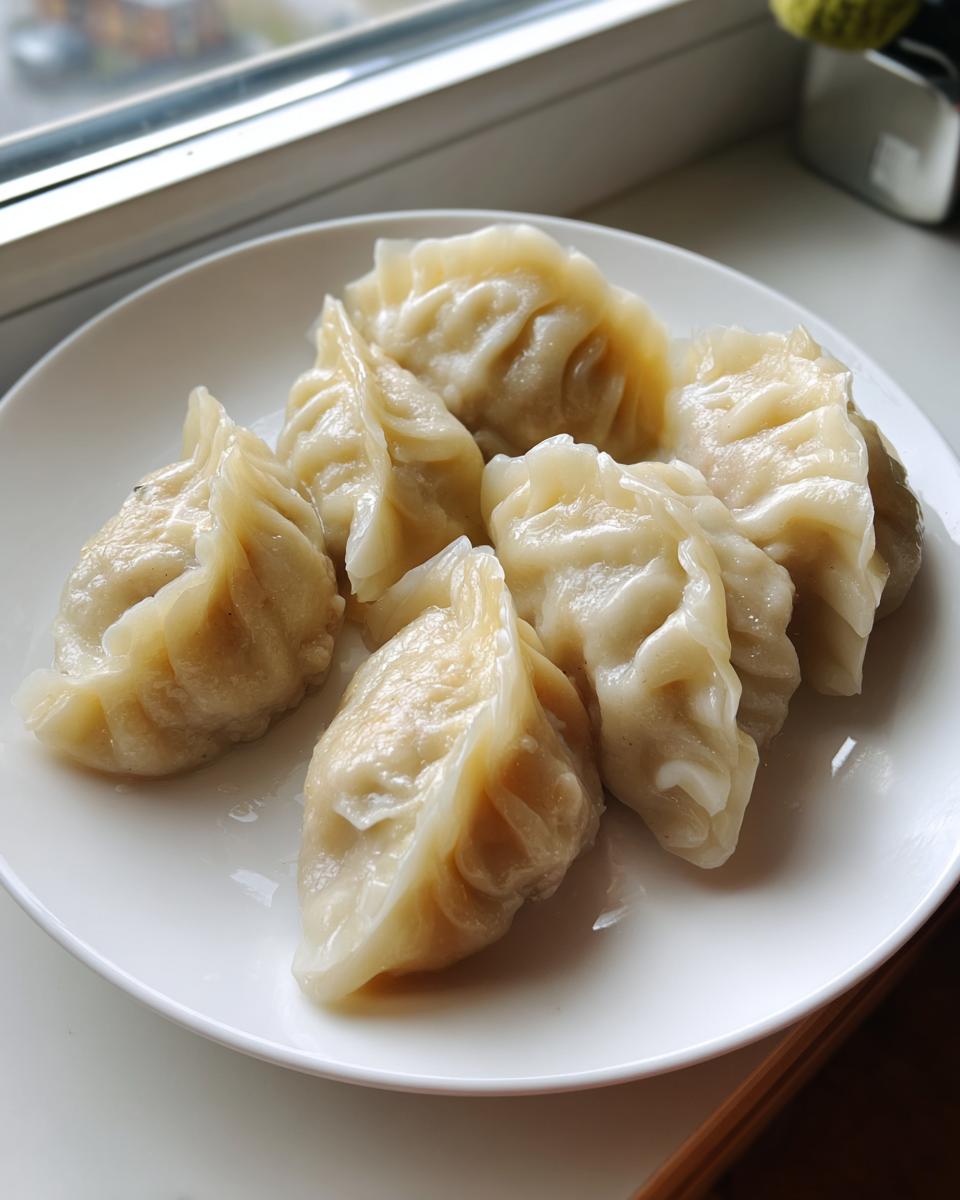
Okay, you’ve got your beautiful dumplings ready, and now it’s time for the gentle cooking phase! We are aiming for perfectly boiled Chinese dumplings that are plump and chewy, not mushy. Bring a big pot of water to a full, rolling boil—don’t rush this part. Gently drop your dumplings in, one by one, and give them a very calm stir right away so none of them cling to the bottom of the pot. Your patience here matters!
Here is the trick my grandmother always insisted on: Once the water comes back up to a boil, add about a half-cup of cold water. This lowers the temperature just enough to keep the dough from getting overly agitated. We repeat this “cold water splash” two more times. After the third time the water boils, your dumplings are done! They should all be floating beautifully on top and look nicely bloated and plump. Use a slotted spoon to scoop them out, and bam—perfect texture achieved every time!
Tips for Making Freezer Friendly Dumplings
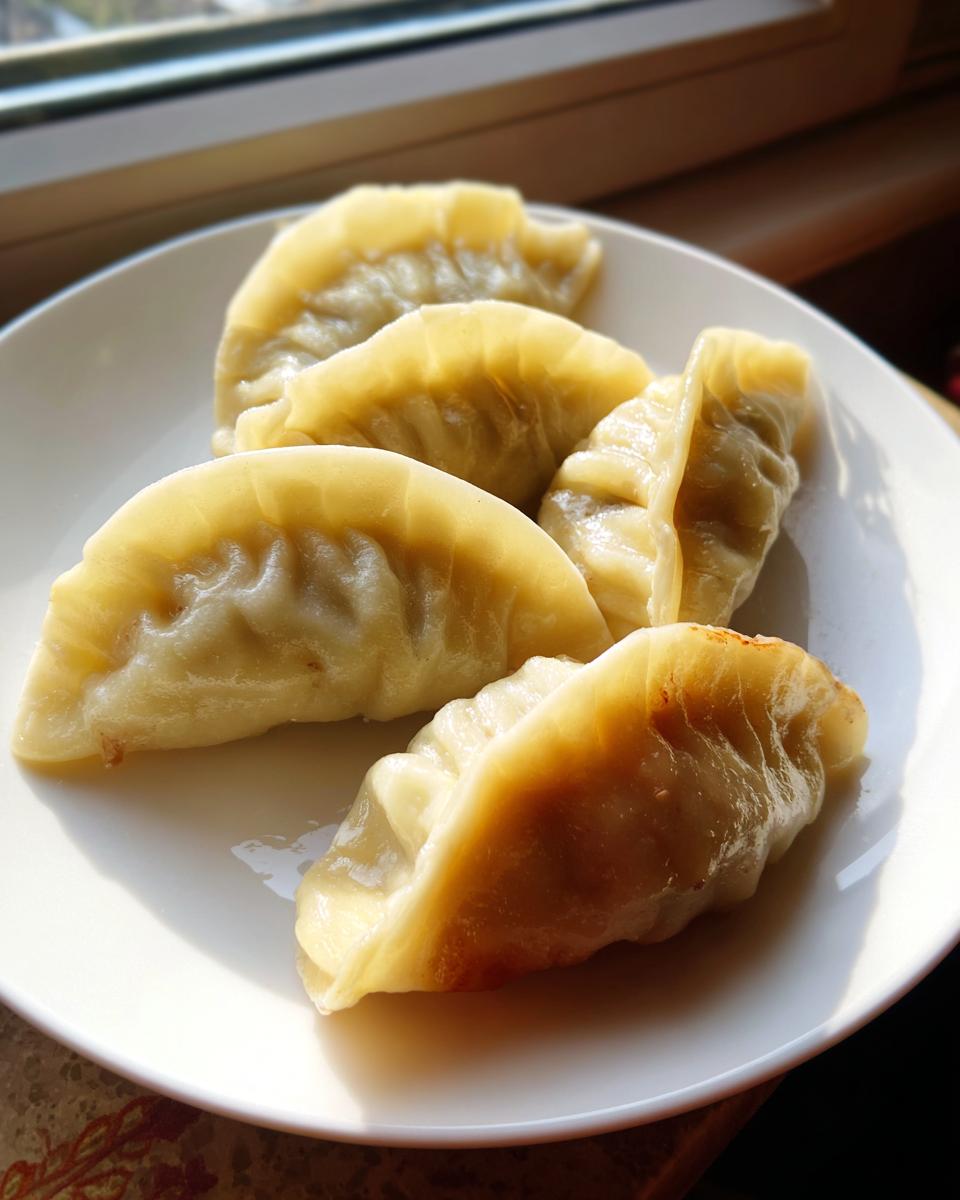
We always make extra, that’s just a rule of dumpling making, right? Luckily, this Traditional Chinese Dumplings recipe is fantastic for the freezer! If you want to save some for a snowy night or maybe get ahead for Lunar New Year, you need to freeze them raw. Lay your finished, uncooked dumplings out on a baking sheet that you’ve lined with parchment paper. Make sure they aren’t touching each other at all—this keeps them from fusing into one giant dumpling blob!
Pop that sheet right into the freezer until they are rock solid. Once they are frozen solid, you can easily toss them into a zip-top bag. When you cook them from frozen later, just remember to add about three or four extra minutes to the boiling time. They will still turn out just as delicious, I promise!
Serving Suggestions for Authentic Jiaozi
You’ve done the work—you’ve made the killer filling and rolled the perfect wrappers! Now, the presentation! While these authentic jiaozi are absolutely delicious on their own immediately after boiling, serving them with the right companion sauce really elevates the whole experience. I always tell people, “Don’t let that amazing filling go naked!”
When I serve these, especially around the holidays, I set out a little dipping station. It’s so simple, but that salty-acidic kick cuts right through the richness of the pork. You don’t need anything fancy, just three things mixed together in small bowls.
Here is my go-to sauce—it’s easy to whip up while you’re waiting for the water to boil:
- Start with a good splash of soy sauce—I use about three tablespoons.
- Add an equal amount of plain white vinegar, or maybe a little less if you like it milder. This tartness is so good with pork cabbage dumplings.
- Finally, add a teaspoon of chili oil, or more if your family likes the heat! Stir it up, and that’s it.
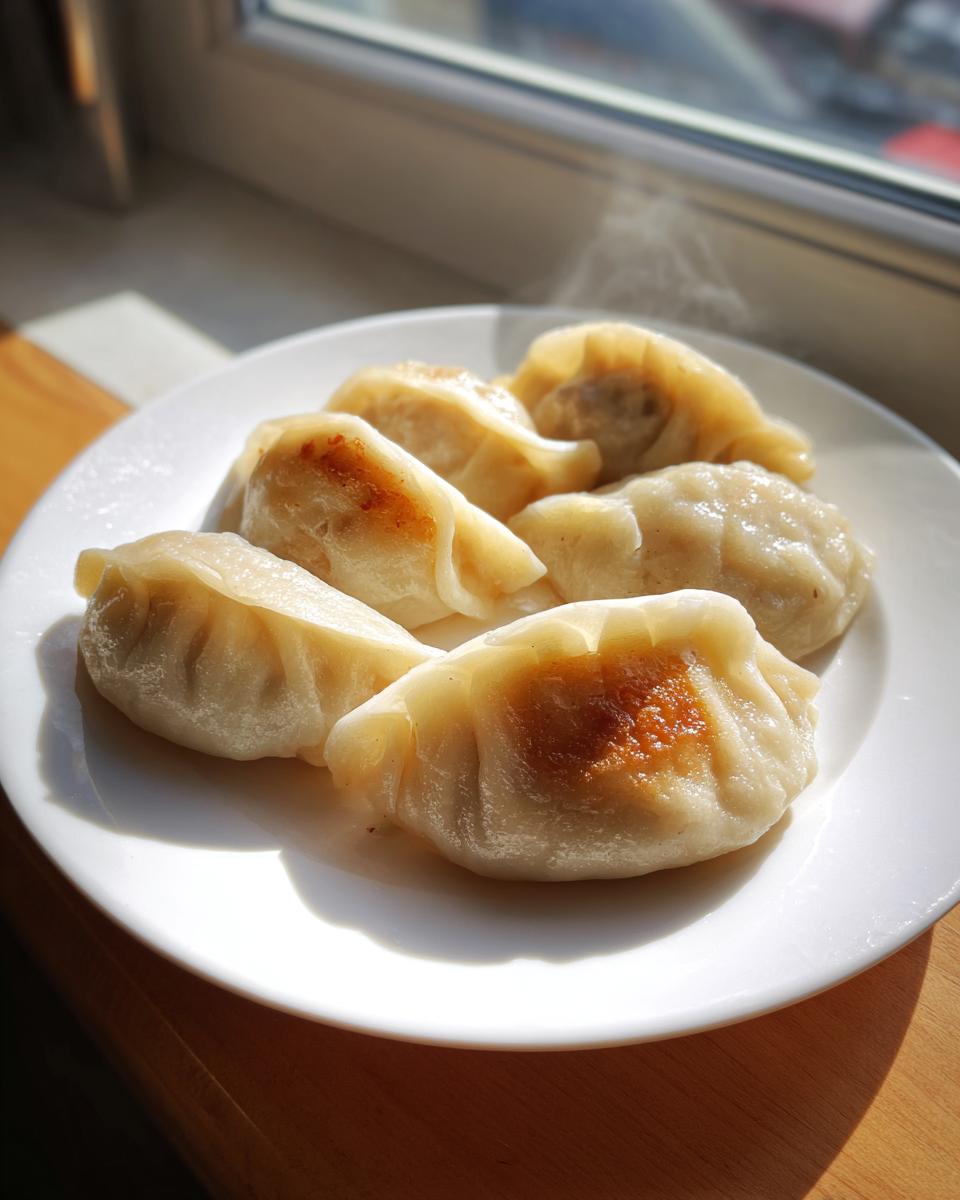
The warm boiled Chinese dumplings just soak up that little bit of sauce, and honestly, it makes everything taste brighter. It’s a final touch that shows you put care into the whole meal!
Frequently Asked Questions About Traditional Chinese Dumplings
I get so many questions about dumplings, and honestly, that shows me how excited you all are to get this Traditional Chinese Dumplings recipe right! It’s wonderful that you’re diving in, and don’t worry if things feel tricky the first time around. Whether you’re making them for a quiet weeknight dinner or gearing up for Lunar New Year dumplings, I’ve gathered the most common things folks ask me. If you ever have a question that isn’t covered here, please feel free to reach out to me via my contact page—I love helping fellow home cooks!
Can I use store-bought wrappers instead of homemade dumpling wrappers?
Oh, goodness, yes, you absolutely can! While I completely stand by the joy and texture of our homemade dumpling wrappers, I know life gets busy. If you are short on time and just need a quick Chinese dumplings recipe fix, grab good quality, round wrappers from your grocery store. They won’t taste exactly the same as scratch-made, but they are a perfect backup! Just remember to keep a little bowl of water next to you to seal the edges.
What is the best way to reheat leftover boiled Chinese dumplings?
Reheating our boiled Chinese dumplings requires a little care so the wrapper doesn’t get gummy. The absolute best way is steaming them! Toss them in a steamer basket over simmering water for about 5 to 8 minutes until they are heated through. If you’re feeling ambitious and want them done like restaurant style, steam them gently first, and then give them a quick minute or two in a hot, oiled skillet to get a little crispy bottom. That combination is absolutely heavenly.
Can I make these Lunar New Year dumplings with different fillings?
While the classic pork cabbage dumplings are traditional for good luck and prosperity, you can definitely make substitutions! Shrimp and chives are a fantastic, slightly lighter alternative. You can also make all-veggie versions using mushrooms, carrots, and tofu, but make sure you press out all the moisture from those vegetables, just like we did with the cabbage!
Estimated Nutritional Breakdown for Traditional Chinese Dumplings
When you’re making comfort food like these Traditional Chinese Dumplings at home, honestly, I try not to look too closely at the numbers, but I know many of you like to plan ahead! Please keep in mind these figures are just estimates based on making them exactly to the recipe ratio and using standard ingredients. As with everything made in Carla’s kitchen, this is more about love than perfect macros! For more details on privacy or sourcing, you can always check my privacy policy.
- Serving Size: 6 dumplings
- Calories: 350
- Fat: 18g
- Protein: 18g
- Carbohydrates: 30g
Estimated Nutritional Breakdown for Traditional Chinese Dumplings
When you’re making comfort food like these Traditional Chinese Dumplings at home, honestly, I try not to look too closely at the numbers, but I know many of you like to plan ahead! Please keep in mind these figures are just estimates based on making them exactly to the recipe ratio and using standard ingredients. As with everything made in Carla’s kitchen, this is more about love than perfect macros! For more details on privacy or sourcing, you can always check my privacy policy.
- Serving Size: 6 dumplings
- Calories: 350
- Fat: 18g
- Protein: 18g
- Carbohydrates: 30g
Traditional Pork and Cabbage Jiaozi (Chinese Dumplings)
Make authentic Chinese pork and cabbage dumplings with homemade wrappers. This recipe includes instructions for boiling and freezing.
- Prep Time: 45 min
- Cook Time: 10 min
- Total Time: 55 min
- Yield: 4 servings 1x
- Category: Dinner
- Method: Boiling
- Cuisine: Chinese
- Diet: None
Ingredients
- 1 pound ground pork
- 3 cups Napa cabbage, finely chopped
- 1/2 cup chopped fresh chives
- 2 tablespoons soy sauce
- 1 tablespoon sesame oil
- 1 teaspoon grated fresh ginger
- 1/2 teaspoon salt
- 1/4 teaspoon white pepper
- 2 cups all-purpose flour for wrappers
- 3/4 cup hot water for wrappers
Instructions
- Prepare the filling: Place the chopped cabbage in a bowl and sprinkle with 1/2 teaspoon salt. Let sit for 10 minutes, then squeeze out as much liquid as possible using your hands or a clean cloth.
- In a large bowl, combine the drained cabbage, ground pork, chives, soy sauce, sesame oil, ginger, salt, and white pepper. Mix well until the mixture is uniform and slightly sticky.
- Prepare the wrappers: Place the flour in a bowl. Gradually add the hot water while mixing with chopsticks until shaggy pieces form. Knead the dough on a lightly floured surface for 8 to 10 minutes until smooth. Cover the dough and let it rest for 30 minutes.
- Divide the dough into four equal pieces. Roll each piece into a long rope about 1 inch thick. Cut each rope into 1-inch pieces.
- Roll each small piece into a thin circle, about 3 inches in diameter, keeping the edges slightly thinner than the center.
- Place about 1 teaspoon of filling in the center of a wrapper. Moisten the edges with water. Fold the wrapper in half to form a half-moon shape and crimp the edges to seal, creating pleats if desired.
- To cook immediately, bring a large pot of water to a rolling boil. Gently drop the dumplings into the water, stirring gently so they do not stick to the bottom.
- When the water returns to a boil, add 1/2 cup of cold water. Repeat this process two more times. The dumplings are done when they float and look plump, about 5 to 7 minutes total.
- Remove the dumplings with a slotted spoon and serve warm.
Notes
- For freezing: Place uncooked dumplings on a parchment-lined baking sheet without touching. Freeze until solid, then transfer to a freezer bag. Cook directly from frozen, adding a few extra minutes to the cooking time.
- You can substitute ground chicken or turkey for the pork.
- Serve with a dipping sauce made from soy sauce, vinegar, and chili oil.
Nutrition
- Serving Size: 6 dumplings
- Calories: 350
- Sugar: 2
- Sodium: 450
- Fat: 18
- Saturated Fat: 6
- Unsaturated Fat: 12
- Trans Fat: 0
- Carbohydrates: 30
- Fiber: 2
- Protein: 18
- Cholesterol: 55