

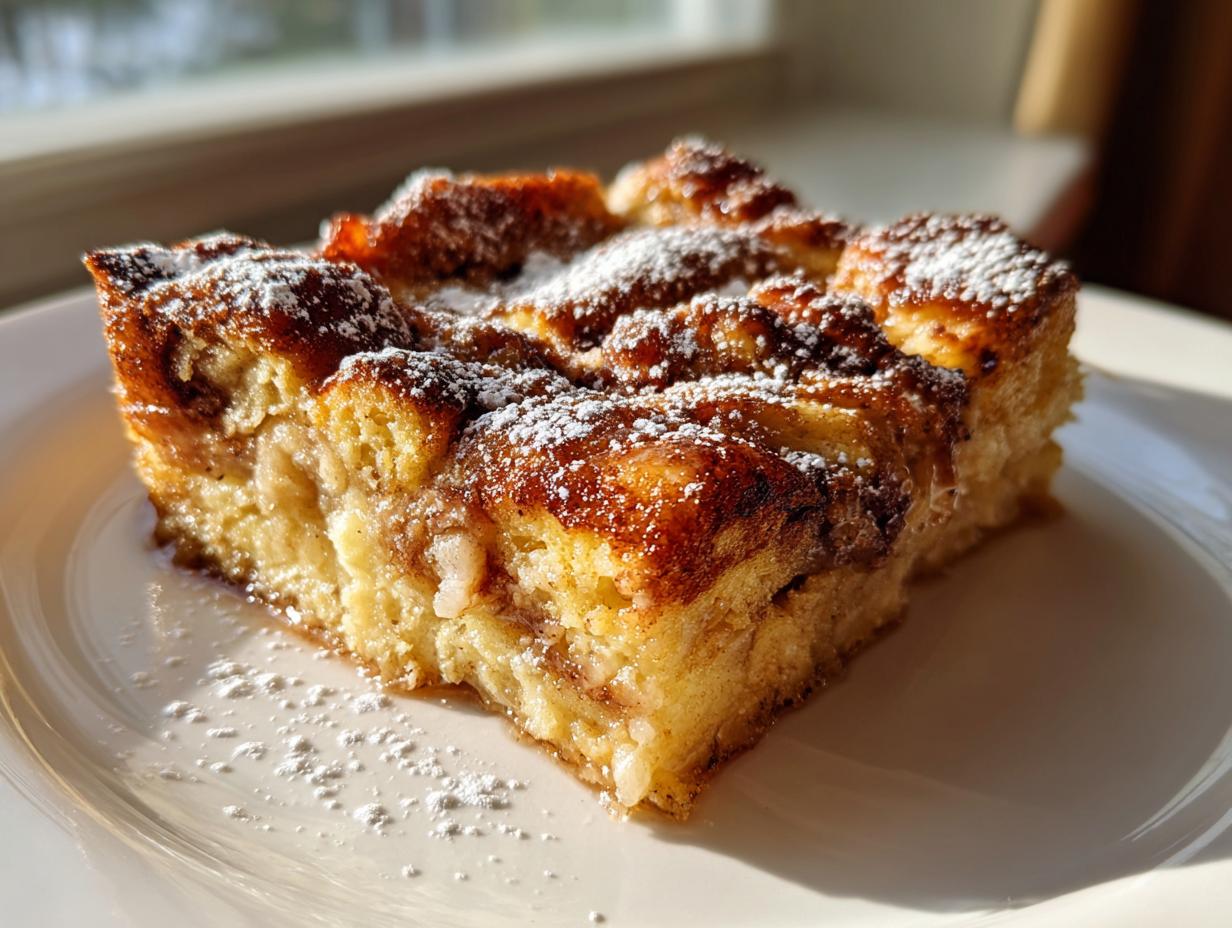
Oh, friends, let’s talk about mornings, shall we? I know that feeling—you want to host a lovely weekend brunch or maybe just treat your family to something truly special, but the thought of standing over a griddle flipping individual slices of French toast makes you want to go back to bed. Well, I have the answer, and it’s truly a gift for busy cooks like us: the overnight french toast casserole. This is pure magic because you do all the messy work the night before! Think about it: waking up, pulling something out of the fridge, sliding it into the oven, and then having an hour to sip coffee knowing breakfast is preparing itself. That creamy, custardy texture you dream about? It’s even better when it has all night to soak in. This recipe has saved me more times than I can count when company shows up unexpectedly. It’s the key to stress-free hosting!
You can find some of my other dependable, easy breakfast recipes right here at this collection, but this bake is truly the showstopper for any gathering.
- Why This Make Ahead French Toast Casserole Simplifies Your Morning
- Ingredients for the Best Overnight French Toast
- How to Prepare Your Overnight French Toast Casserole
- Baking Tips for a Perfect Custardy French Toast Bake
- Expert Tips for the Ultimate Overnight French Toast
- Serving Suggestions for Your Overnight French Toast
- Storing and Reheating Your Make Ahead French Toast
- Frequently Asked Questions About Overnight Breakfast Ideas
- Share Your Cozy Morning Recipes
Why This Make Ahead French Toast Casserole Simplifies Your Morning
Honestly, I love French toast, but I don’t love being chained to the stove when I should be enjoying time with my family or guests. That’s the beauty of this overnight french toast casserole. It takes all the best parts of that classic dish and eliminates all the fuss.
- It’s ready to go before you even go to bed!
- No more standing over a hot pan when you’d rather be chatting.
- The texture is unbelievably rich—you just can’t get this from a quick fry.
- Easy hosting means I can actually greet people at the door!
If you enjoy the baked approach, you might also want to check out my recipe for Egg Benedict Casserole; it follows a similar stress-free philosophy.
Prep the Night Before for Stress Free Morning Meals
This is the huge win, isn’t it? When you prepare this dish ahead, that long time in the fridge—at least eight hours—does all the heavy lifting for you. The bread cubes have time to gently soak up every bit of that lovely egg and cream mixture. That’s what leads to those fantastic Stress Free Morning Meals; instead of cooking, you’re just baking!
Achieving That Perfect Custardy French Toast Bake
If you fry toast slices quickly, sometimes the middle stays a little doughy or dry, right? Well, when you let it rest overnight, every single edge of the bread gets perfectly saturated. That thorough soaking time is what gives you that desirable, melt-in-your-mouth, classic Custardy French Toast Bake. It’s foolproof texture when you let time work its magic!
Ingredients for the Best Overnight French Toast
When making an overnight french toast casserole, the ingredients matter, especially since this dish has so little time to actually cook in the morning. We aren’t using thin slices here, so you need good, sturdy bread that can handle sitting in liquid overnight without falling apart or getting completely soggy. Trust me on this—the right bread makes all the difference for that perfect texture!
- 1 loaf (about 1 pound) thick-cut bread, such as brioche or challah, cut into 1-inch cubes
- 6 large eggs
- 1 1/2 cups whole milk
- 1/2 cup heavy cream
- 1/2 cup granulated sugar
- 2 teaspoons ground cinnamon
- 1 teaspoon vanilla extract
- 1/4 teaspoon ground nutmeg
- 1/4 teaspoon salt
- 1/2 cup maple syrup, for serving
- Powdered sugar, for dusting
If your bread is a little stale—maybe a day or two old—that’s actually better! It soaks up the custard without dissolving completely. Don’t forget to check out my guide on using sourdough in similar bakes if you ever have some older starter lying around, though brioche is my number one pick here.
Choosing the Right Bread for Your Overnight Breakfast Bake
I can’t stress this enough: ditch the thin, commercially sliced white bread for this dish. We need bulk and richness, which is why I call for brioche or challah. These breads have a higher fat and egg content already, which means they offer a richer flavor profile and hold up beautifully under all that liquid custard.
Brioche gives you that luxurious, almost melting interior, while challah provides a slightly chewier crumb that’s still soft and decadent. If you are using standard bread, you absolutely must slice it thick—at least an inch, like cubes—or you’ll end up with more of a bread pudding texture than a true Overnight Breakfast Bake. We want structure, we want richness, and we definitely want those yummy edges that crisp up nicely when they bake!
How to Prepare Your Overnight French Toast Casserole
Now that we have our beautiful bread and our custard components ready, let’s put this masterpiece together! This is the active part of the work, but honestly, it’s so fast you’ll be done before your coffee finishes brewing. The trick here is layering and patience so the bread knows exactly what it’s getting into overnight for your perfect overnight french toast.
First things first, go ahead and take a 9×13 inch baking dish—that’s the standard size that works perfectly—and give it a good coat of butter or a light spray of cooking oil. We don’t want any sticking later when we’re still sleepy! You can find some of my other dependable, easy breakfast recipes right here at this collection if you need more options for future busy mornings.
Mixing the Custard and Soaking the Bread
In a large bowl—you need something big enough to stir things without splashing everywhere—we’ll whisk together the wet ingredients. Get those 6 large eggs in there, followed by the milk, heavy cream, granulated sugar, cinnamon, vanilla, nutmeg, and salt. Whisk well, my friends! You need to make sure that sugar completely dissolves into the mixture so you don’t end up with any gritty spots. It should look like a smooth, pale yellow liquid, just ready to bathe that bread.
Next, take all those 1-inch bread cubes and arrange them nicely in your greased baking dish. Try to create an even layer—no giant mountains on one side! Then, slowly pour that lovely custard mixture right over the bread. Don’t just dump it! Pour it slowly and evenly across the top. Once it’s all poured on, take a spatula or even your clean hands and gently press down on the bread cubes. You need to encourage every single piece to soak up that delicious liquid. They won’t absorb it all right away, but you are setting the stage for success!
The Essential Overnight Refrigeration Step
This step is non-negotiable if you want that rich, decadent result. Cover that baking dish tightly with plastic wrap—I mean *tightly*. We don’t want any fridge smells interfering with our sweet breakfast dream!
Now, pop it into the refrigerator. You simply must let it sit for a minimum of 8 hours, but I always aim for overnight! This long chill time is what transforms this dish from soggy bread and liquid into true, phenomenal Make Ahead French Toast. The bread softens, the flavors marry together beautifully, and you get that unbelievable texture once it bakes!
Baking Tips for a Perfect Custardy French Toast Bake
When the morning finally arrives, and you’re reaching for that dish you prepped last night, you want the baking part to be easy and seamless! Since all the hard work of soaking is done, baking is just about getting that beautiful golden color and setting the center perfectly. I always start by preheating my oven to 350 degrees Fahrenheit (that’s 175 degrees Celsius). Trust me, a proper preheat is important so the edges don’t dry out before the center is done.
Pull that plastic wrap off the casserole dish—enjoy that lovely, dense look of the soaked bread—and slide it right into the preheated oven. It usually takes most folks about 45 to 55 minutes, depending on how thick your bread cubes were and how cold it was coming straight from the fridge. Keep an eye on that top; you’re looking for it to puff up and turn a gorgeous, rich golden brown. If you want a little treat, this is the time to sprinkle on that optional topping of brown sugar and melted butter I mentioned earlier if you want a little crunch!
How do you know when that gorgeous Baked French Toast is truly done? The toothpick trick! Insert a knife or a wooden skewer near the center of the casserole. If it comes out with just a few moist crumbs clinging to it—mostly clean, but not bone dry—you’ve hit the jackpot. If there’s wet, gloppy batter, give it another 5 or 10 minutes. Overbaking will dry out the custard, and we worked so hard for that moist center!
If you love this method of baking breakfast all in one pan, you absolutely have to check out my recipe for Sheet Pan Pancakes. It uses the oven in a similar way for an incredibly fast breakfast!
Expert Tips for the Ultimate Overnight French Toast
You’ve baked it, and now the house smells absolutely heavenly! I always like to add one little trick to push this overnight french toast over the top. If you want a slightly crispier top layer with a gorgeous caramel note, mix about 1/4 cup of brown sugar with just 1 tablespoon of melted butter and sprinkle it over the top before it goes into the oven. That little crunchy crust against the soft, custardy center is just divine.
I remember one chaotic Christmas morning years ago. I hadn’t slept well, and the kids were up way too early demanding pancakes. I looked at this casserole ready to go in the fridge and just thought, “Thank goodness!” It made such an impressive and Crowd Pleasing Brunch centerpiece without me having to lift a finger that morning. It always saves the day! For more simple hosting ideas, check out my easy appetizers collection.
If you’re looking for tips on managing timing, Emily’s site has some great advice on how to handle the overnight aspect, too, which you can see here.
Serving Suggestions for Your Overnight French Toast
Okay, the best part! Your beautiful overnight french toast casserole is out of the oven, golden brown, and smelling incredible. But wait! We need to let it rest. This is super important, especially because it’s so rich. Let it sit on the counter for about 10 minutes before you even think about slicing it. This resting time allows the custard structure to fully set, which means your slices will hold their shape better instead of collapsing into a delicious mess.
Once it’s rested, slice it up right there in the pan. We aren’t aiming for perfect squares here; this is cozy home cooking! Then, here is the classic finishing touch: a generous, light dusting of powdered sugar over the top. It looks so pretty tumbling over that baked crust. My kids always yell when they see it!
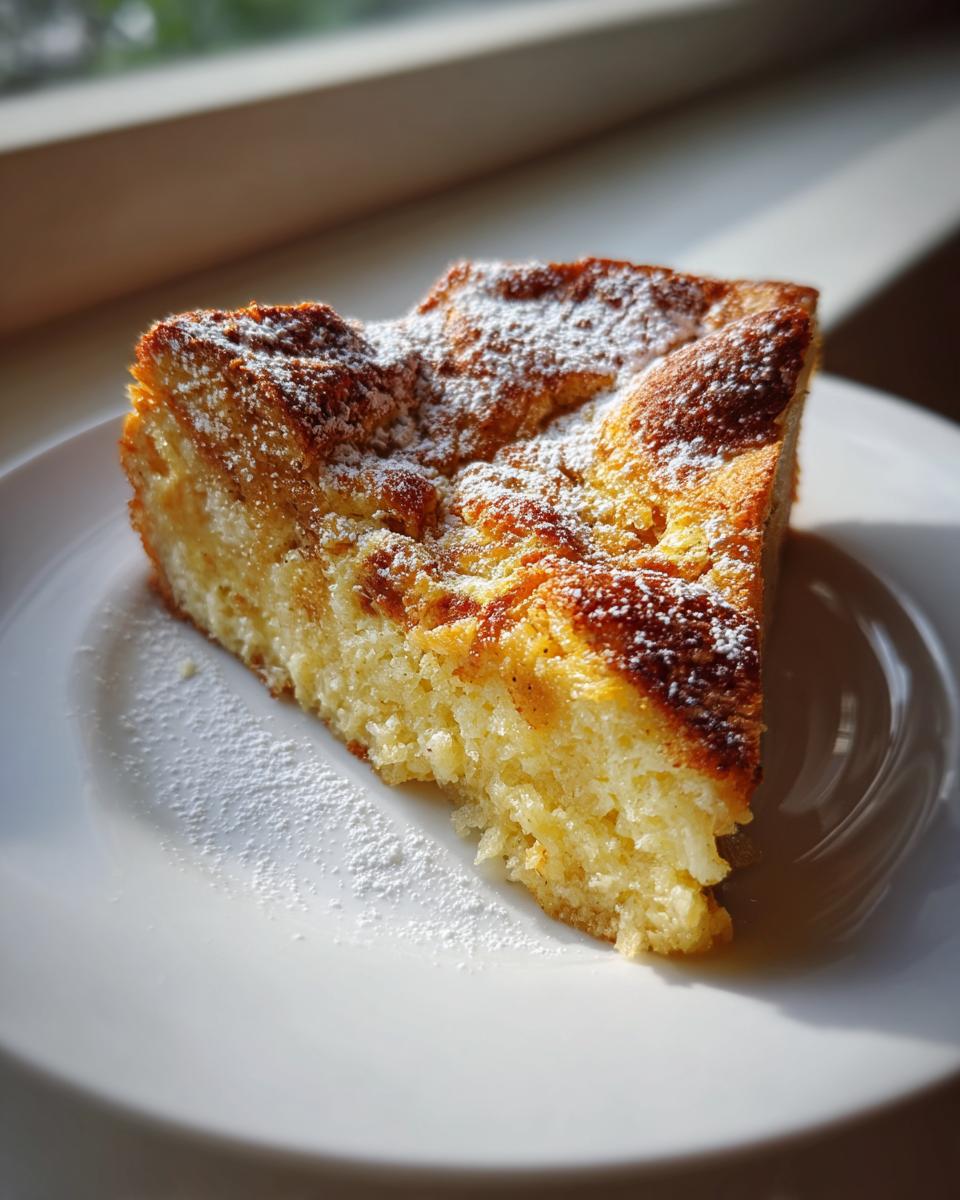
Now for the final flourish—the maple syrup. Remember to serve this warm, and make sure every plate gets a good drizzle of high-quality maple syrup. That’s the classic pairing for any of my Weekend Brunch Recipes. If you want to jazz up the table a bit, I often serve this alongside some fresh fruit, like sliced bananas or raspberries—they add a nice brightness against the cinnamon spice. You could even make a batch of my Easy Homemade Glazed Apple Fritters if you’re feeling ambitious!
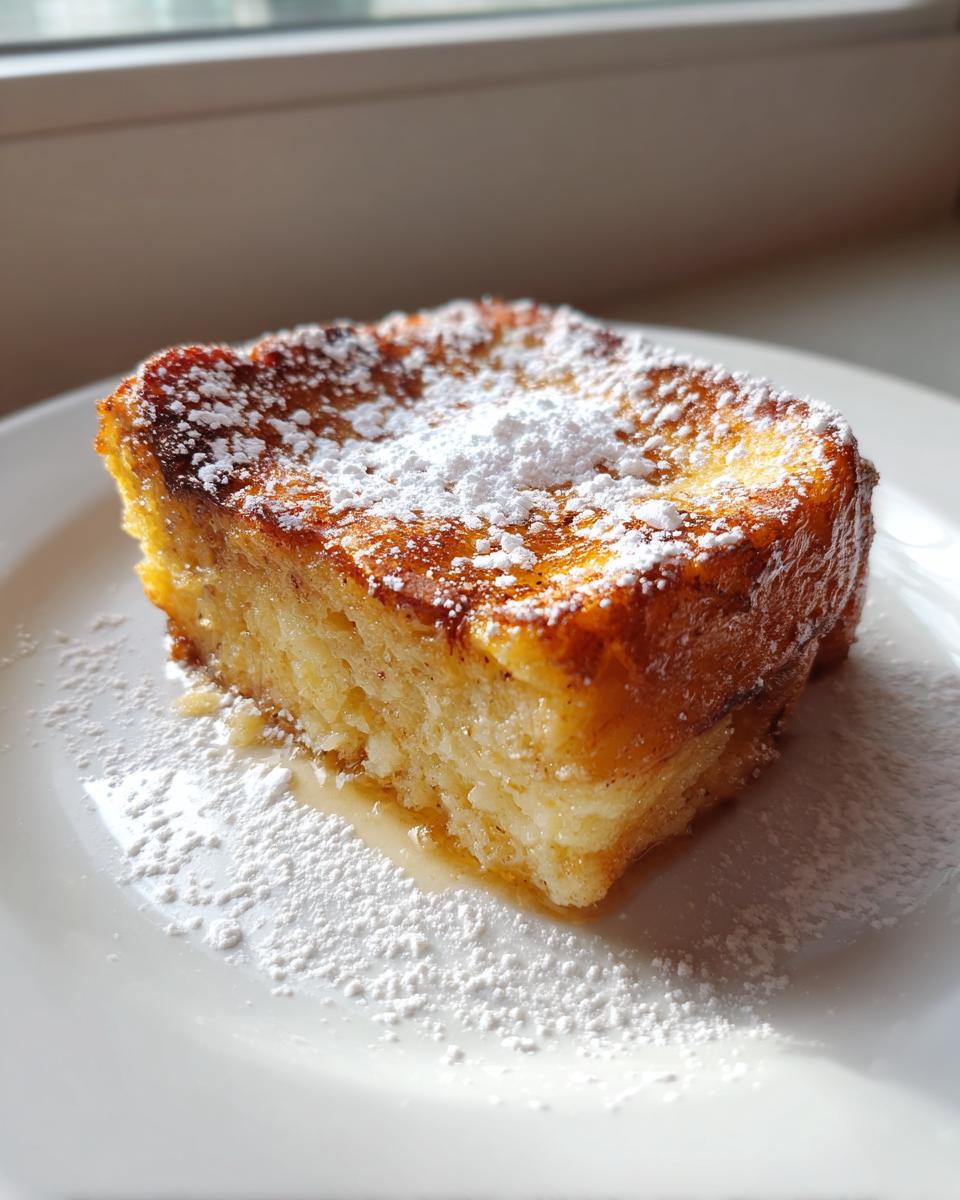
Seriously, when you serve this up fresh from the oven, dusted with sugar and drenched in syrup, nobody will ever believe you made the hardest part the night before. It’s my favorite trick for making mornings feel lovely and relaxed!
Storing and Reheating Your Make Ahead French Toast
Because this overnight french toast casserole is so fantastic, sometimes we don’t finish the whole thing in one sitting! And honestly, leftovers are even great the next day—though they just aren’t quite as decadent as when they are fresh from their overnight soak. But don’t you worry; storing and reheating this bake is simple.
If you have any casserole left, let it cool down on the counter for just a little while. Once it’s cooled—not hot, but room temperature—you need to cover the baking dish very tightly. You can use the original lid if you have one, or just switch it over to a container with a tight-fitting lid. Pop it straight into the refrigerator. It stays perfectly good for about 3 to 4 days, which is such a nice bonus for easy breakfasts later in the week!
Now, when you get the craving for a slice later, we have two ways to reheat, but I strongly recommend the oven for the best outcome. Microwaving is certainly faster if you’re in a huge rush, but it tends to make the bread a bit chewy, which we definitely don’t want after all that work creating the perfect texture!
For the Oven (My Favorite Way):
Preheat your oven to 325 degrees F. This lower temperature helps warm it through without drying out the edges. Place the slices you want right onto a baking sheet—you can place a little foil underneath if you are nervous about sticking, although it usually holds up fine.
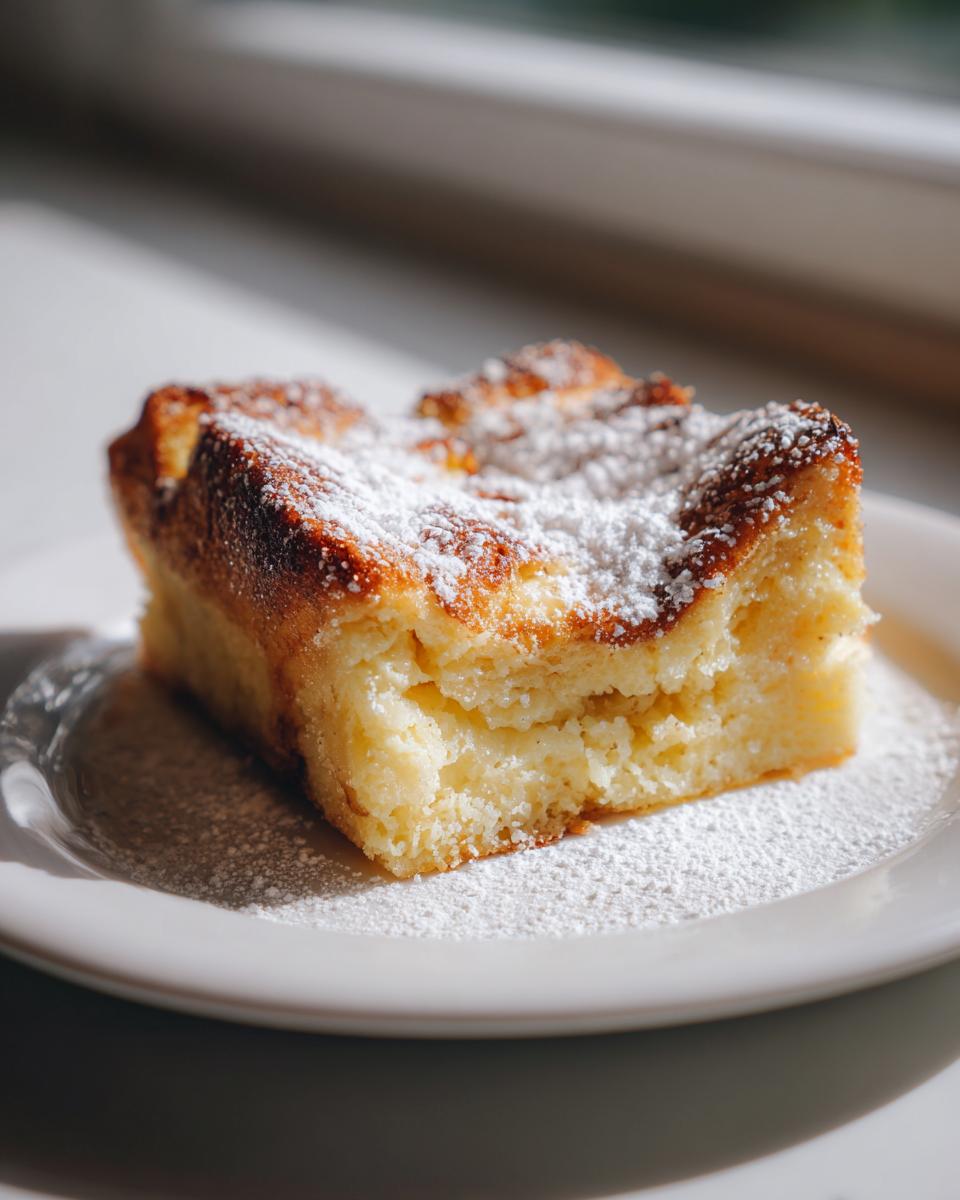
Bake those slices for about 10 to 15 minutes, depending on how many you are heating. You want them warmed all the way through and smelling that lovely cinnamon spice again. They will regain much of that wonderful softness we love!
For the Microwave (For Speed):
If you need it *right now*, place one or two slices on a microwave-safe plate. Heat in short bursts—maybe 30 seconds at a time—until they are hot through the middle. Remember what I said though: you lose some of that amazing baked texture this way, so use the oven if you can spare the time!
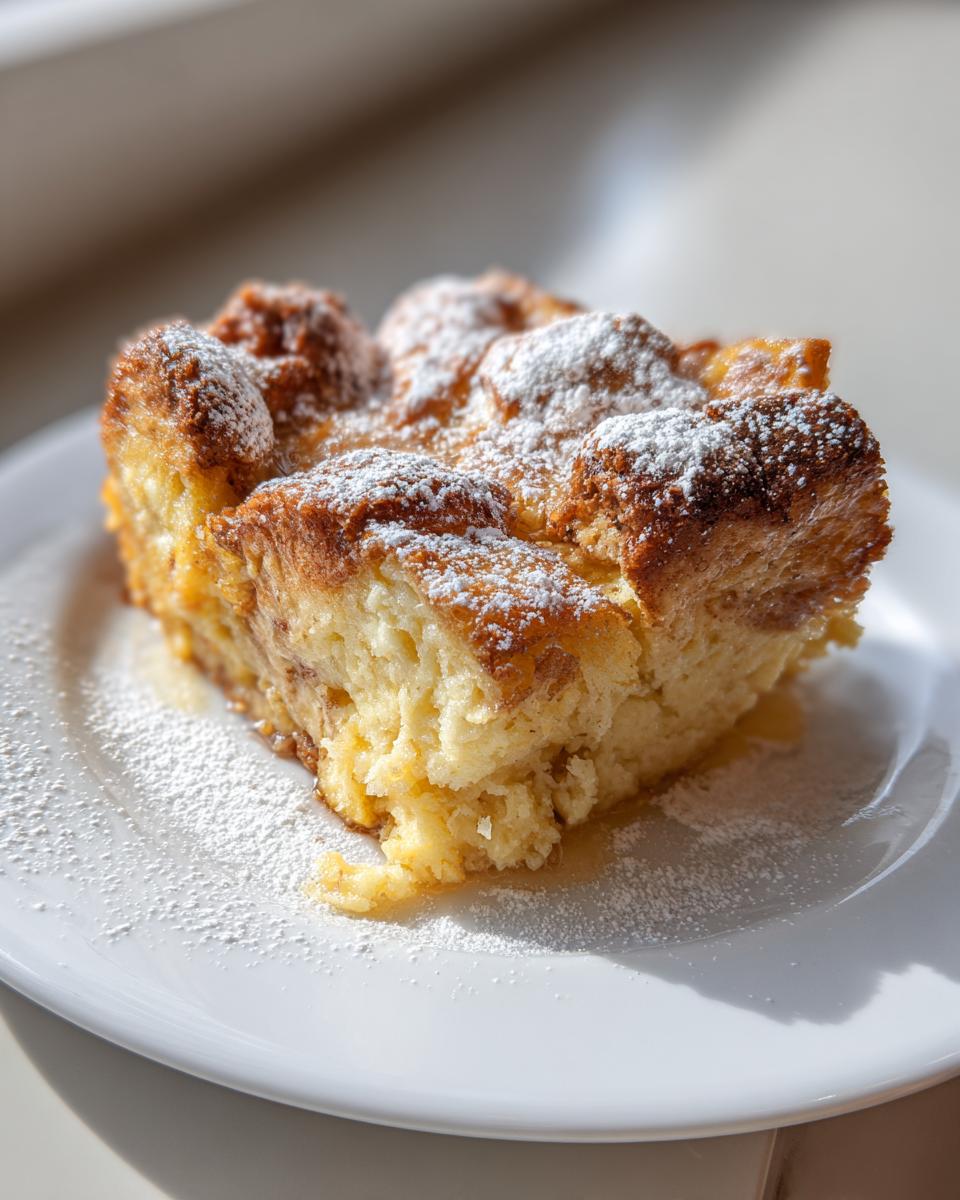
If you are looking for other make-ahead recipes that you can store and reheat easily, some of my supper dishes, like my famous Salisbury Steak, are also great for simple leftovers during the week. Having a few reliable Make Ahead French Toast options means you’re always prepared for a good breakfast!
Frequently Asked Questions About Overnight Breakfast Ideas
I always get so many wonderful questions when folks try this recipe for the first time! It’s my goal here at Cooking by Carla to make sure every home cook feels confident giving this a try. Since this is a reliable recipe that works beautifully for Holiday Breakfast Ideas or just a quiet Tuesday, folks often wonder about little adjustments. Here are a few things I hear most often about making the best Overnight French Toast Casserole.
Can I use regular sandwich bread for this overnight french toast?
You certainly *can*, but I have to prepare you: the texture will be quite different! Regular sliced sandwich bread is thinner and has less structure. When you soak it overnight, it tends to absorb so much liquid that it can become overly soft, bordering on mushy, especially in the center. We want that glorious, thick, rich center, remember? For the best result for your Prep Ahead Breakfast, I really encourage you to use thicker bread—challah, brioche, or even cubed French bread. Thicker cuts let the custard seep in slowly, resulting in that wonderful, slightly chewy, custardy bake instead of just a soft block.
What is the maximum time I can let this bake ahead?
Eight hours is the minimum magic number for great absorption and flavor marriage, but sometimes life just doesn’t align perfectly! For this Overnight Breakfast Bake, you can safely let it chill for up to 24 hours. If you let it go past that 24-hour mark, the bread might start to break down too much, and you risk drying out some of those exposed edges, even under the plastic wrap. If you chill it for the full 24 hours, I recommend pulling it out of the fridge about 30 minutes before you preheat the oven. This lets it take the chill off just a tiny bit, ensuring more even baking. It’s still wonderfully easy Prep Ahead Breakfast!
If you’re looking for more inspiration for cozy mornings, I always recommend checking out how my friend Sarah creates her similar bakes—her recipe is really well-loved! You can see her thoughts on creating a similar Custardy French Toast Bake when you have a moment.
For more general kitchen wisdom and reassurance, feel free to read a little more about my philosophy over on my About Page!
Share Your Cozy Morning Recipes
Now, here is where you join the family! Making a beloved recipe like this overnight french toast is always better when you share that success. I genuinely want to hear how it worked out for your family, especially if you served it up for a big holiday or a lazy Sunday morning gathering.
Once you’ve tried this dish, please come on back and leave a star rating right here on the page. Those ratings tell me that the recipe is dependable, and they also help other busy cooks feel confident trying it out for the first time. Did you try adding those optional brown sugar crumbles? Did your kids love it?
I’d be thrilled if you snapped a picture of your beautiful, golden-baked casserole! Tag me when you share it on social media, or feel free to send me a note directly through my contact page. Sharing those real-life results—the messy breakfast table and the happy faces—is truly the best part of what I do here at Cooking by Carla! I can’t wait to hear about your cozy morning success stories!
PrintOvernight French Toast Casserole: Make-Ahead Breakfast Bake

Prepare this rich, custardy Overnight French Toast Casserole the night before for a simple, stress-free morning meal. It bakes up golden and flavorful, perfect for weekend brunch or holiday mornings.
- Prep Time: 15 min
- Cook Time: 50 min
- Total Time: 1 hr 5 min
- Yield: 8 servings 1x
- Category: Breakfast
- Method: Baking
- Cuisine: American
- Diet: Vegetarian
Ingredients
- 1 loaf (about 1 pound) thick-cut bread, such as brioche or challah, cut into 1-inch cubes
- 6 large eggs
- 1 1/2 cups whole milk
- 1/2 cup heavy cream
- 1/2 cup granulated sugar
- 2 teaspoons ground cinnamon
- 1 teaspoon vanilla extract
- 1/4 teaspoon ground nutmeg
- 1/4 teaspoon salt
- 1/2 cup maple syrup, for serving
- Powdered sugar, for dusting
Instructions
- Lightly grease a 9×13 inch baking dish. Arrange the bread cubes evenly in the prepared dish.
- In a large bowl, whisk together the eggs, milk, heavy cream, granulated sugar, cinnamon, vanilla extract, nutmeg, and salt until well combined.
- Pour the egg mixture slowly and evenly over the bread cubes, pressing down gently to ensure all the bread soaks up the custard.
- Cover the baking dish tightly with plastic wrap. Refrigerate for at least 8 hours, or preferably overnight.
- When ready to bake, preheat your oven to 350 degrees Fahrenheit (175 degrees Celsius). Remove the plastic wrap.
- Bake uncovered for 45 to 55 minutes, or until the casserole is puffed, set in the center, and golden brown on top. A knife inserted near the center should come out mostly clean.
- Let the baked French toast casserole rest for 10 minutes before serving.
- Slice into portions. Dust with powdered sugar and serve warm with maple syrup.
Notes
- Using brioche bread results in the richest, softest texture for this make-ahead French toast.
- If you want a slightly crispier top, sprinkle 1/4 cup of brown sugar mixed with 1 tablespoon of melted butter over the top before baking.
- This recipe is excellent for a crowd-pleasing brunch; it easily doubles for larger gatherings.
Nutrition
- Serving Size: 1 slice
- Calories: 380
- Sugar: 25
- Sodium: 350
- Fat: 16
- Saturated Fat: 7
- Unsaturated Fat: 9
- Trans Fat: 0
- Carbohydrates: 48
- Fiber: 2
- Protein: 15
- Cholesterol: 180