

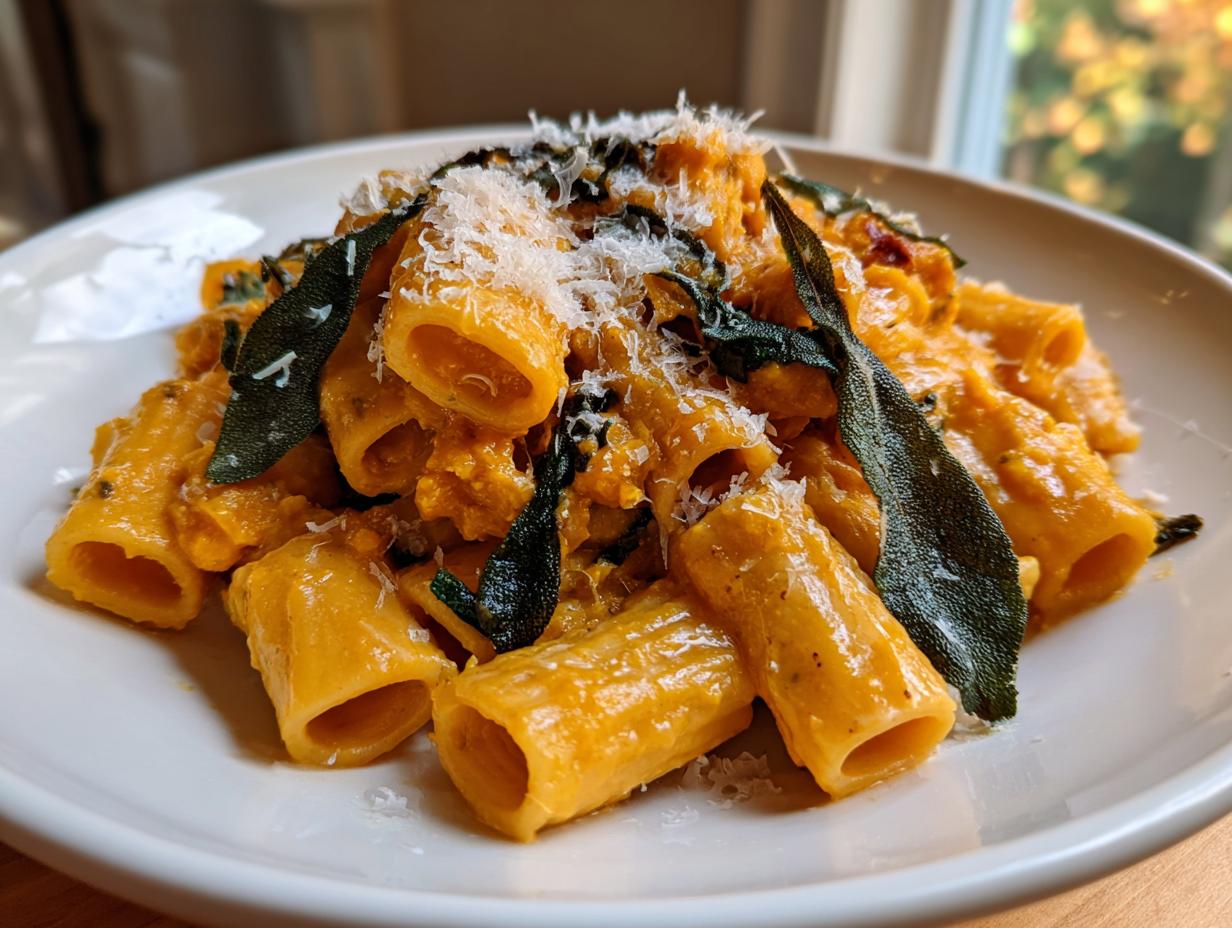
Oh, you know that feeling when the air gets crisp and all you crave is something warm, savory, and just a little bit sweet? That’s exactly what inspired this Brown Butter Sage Butternut Squash Pasta. Honestly, this is my absolute favorite comfort dish, perfect for those chilly evening dinners. It takes that lovely seasonal squash and dresses it up! As a former teacher, I believe cooking should always be clear and achievable, which is why this butternut squash pasta recipe is so straightforward. We’re using simple Midwest ingredients to create something truly special and flavorful. Trust me, we’re keeping the fuss out of your fall kitchen!
- Why This Creamy Butternut Squash Pasta is a Fall Favorite
- Gathering Ingredients for Your Butternut Squash Pasta
- Step-by-Step Instructions for Perfect Butternut Squash Pasta
- Tips for Achieving a Truly Creamy Butternut Squash Pasta Sauce
- Making This Butternut Squash Pasta a Vegetarian Butternut Squash Pasta
- Serving Suggestions for Your Flavorful Pasta Meals
- Storage and Reheating Your Butternut Squash Pasta
- Frequently Asked Questions About Butternut Squash Pasta
- Share Your Experience Making This Comfort Food Dinner Idea
Why This Creamy Butternut Squash Pasta is a Fall Favorite
When I look through my recipe journal, the recipes that get the most love are the ones that deliver big flavor without spending half the day in the kitchen. This butternut squash pasta is that perfect meal. It’s hearty enough for dinner but light enough that you don’t feel weighed down later.
Here is why I think this dish turns into a staple once the leaves start changing:
- The brown butter is non-negotiable! It adds incredible depth that you just don’t get from using plain melted butter. It makes everything taste rich.
- It’s surprisingly quick! We get the squash roasting while the pasta cooks, which keeps our total time under an hour—perfect for a busy weeknight.
- It’s naturally vegetarian, making it a wonderful, filling option when we have guests with different dietary needs.
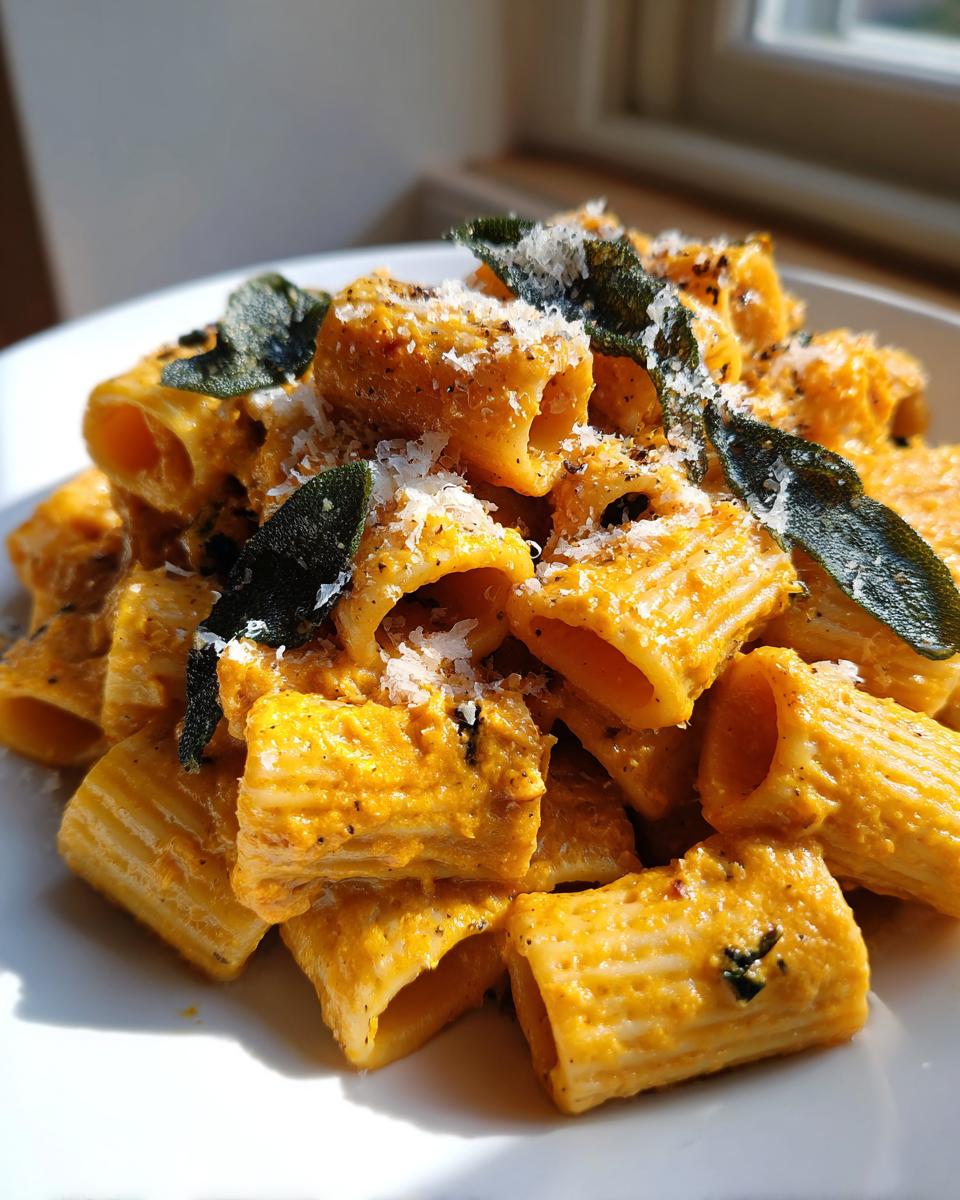
- The texture contrast is just divine: smooth, mashed squash sauce mixed with whole chunks and those tiny, delicate crispy sage leaves.
Flavor Profile: Brown Butter and Sage Magic
Oh, the sage and brown butter combo! If you haven’t cooked butter until it goes nutty brown, you are in for a treat. That aroma is pure autumn bliss. It elevates the sweet, earthy squash and makes this dish feel way fancier than the simple ingredients let on. It’s classic comfort food taken up a notch!
Gathering Ingredients for Your Butternut Squash Pasta
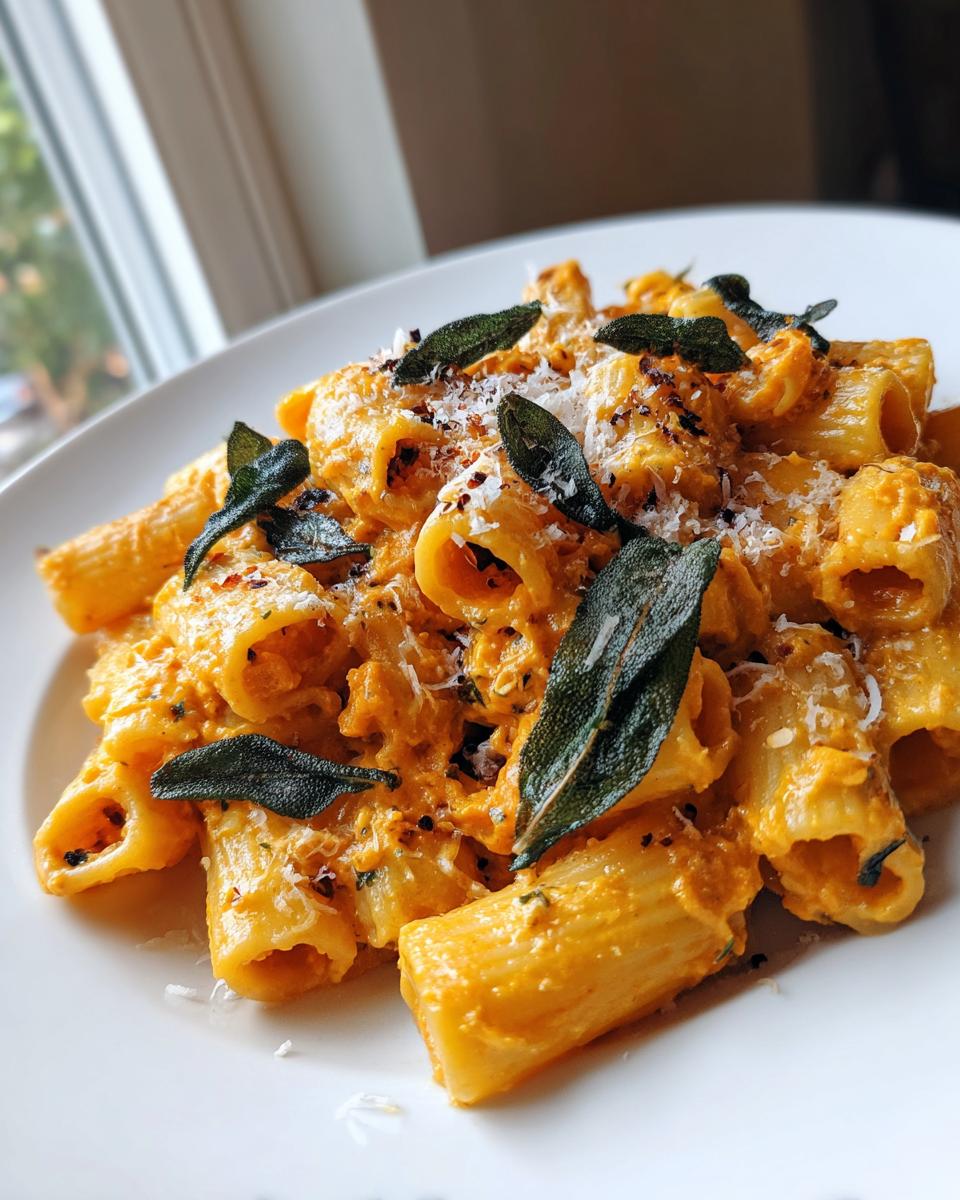
Okay, let’s talk ingredients! For this amazing Brown Butter Sage Pasta, you really don’t need a huge shopping trip. Simplicity is key here, and having everything ready before we start roasting makes the whole process smooth as silk. I always lay out my pots and pans before I even touch the squash. Remember, clear steps mean clear results!
Here’s what you’ll need for four servings:
- 1 medium butternut squash, peeled, seeded, and cubed
- 1 pound pasta (penne or rigatoni work perfectly!)
- 4 tablespoons unsalted butter
- 1/4 cup fresh sage leaves (don’t skimp!)
- 2 cloves garlic, minced
- 1/2 cup reserved pasta water (that starchy stuff!)
- 1/4 cup grated Parmesan cheese, plus more for serving
- 2 tablespoons olive oil
- Salt and black pepper to taste
Ingredient Notes and Substitutions for Butternut Squash Pasta
Choosing the right squash makes a difference; look for one that feels heavy for its size and doesn’t have soft spots. If you don’t have fresh sage, dried is okay, but you’ll need much less—maybe just a teaspoon, or you can skip it if you’re in a pinch. For the pasta, anything sturdy you can toss easily is great, like rigatoni or maybe even some lovely shells. If you want to skip dairy, you can use a vegan butter alternative and swap the Parmesan for some good nutritional yeast for that cheesy bite.
Step-by-Step Instructions for Perfect Butternut Squash Pasta
Now for the fun part! This is where the magic happens, and honestly, it’s really just three simple stages: roasting, boiling, and whisking everything together. Since I taught third grade for so long, I like to think of this as our three main lessons for the day. If you follow these timing cues, you’ll have a beautiful, flavorful meal ready before you know it. Remember that we want everything ready to merge at the same time so the sauce is perfectly fresh when it meets the pasta. It really helps keep things moving when you’re aiming for a quick weeknight pasta fix!
Roasting the Squash for Deep Flavor in Your Butternut Squash Pasta
First things first: heat up that oven to 400°F—no less! Toss those beautiful squash cubes with just a little olive oil, salt, and pepper. Spread them out on a baking sheet so they aren’t stacked up. Roasting them for about 20 to 25 minutes is key. You want them fork-tender *and* those edges should have just started to turn a little sweet and caramelized. That caramelization is what gives the final butternut squash pasta its deep, wonderful base flavor.
Creating the Brown Butter Sage Sauce for Butternut Squash Pasta
While the roasting and pasta cooking are going, let’s start building flavor in a big skillet. Melt that butter over medium heat. Toss in your whole sage leaves. Keep watching! The butter will start looking foamy, then it will quiet down, and little brown bits will appear at the bottom—that’s your cue! When the butter smells nutty—like hazelnuts, not burnt—take the sage out quickly and set it aside, because that garlic goes in next! Add the minced garlic for just about 30 seconds until you can really smell it. Don’t let it brown more than that, or your whole butternut squash pasta will taste bitter. Oops!
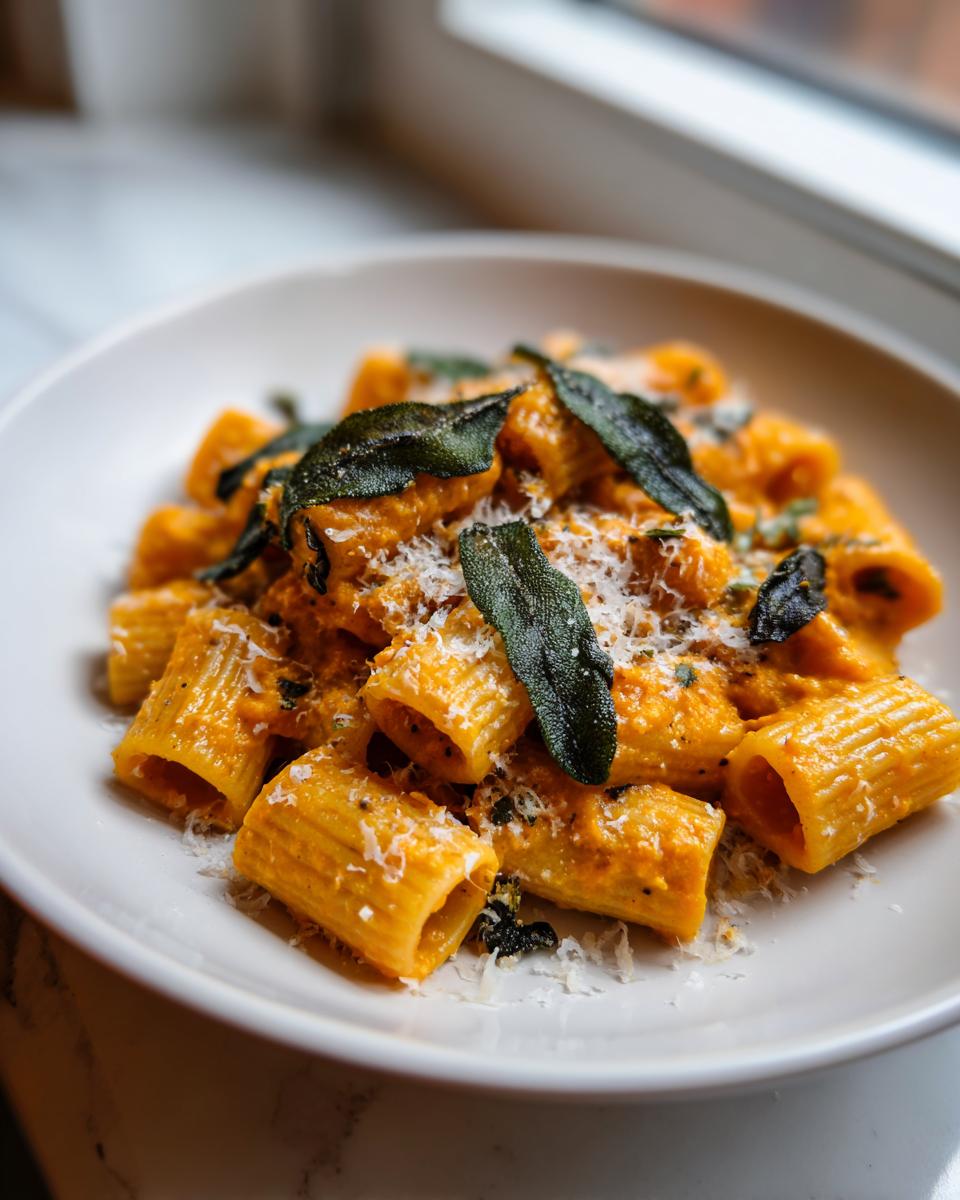
Next, bring in the roasted squash. Grab a masher, or just use the back of a sturdy spoon, and gently mash about half of the squash right there in the skillet. We want some great chunks left for texture, but we need the soft parts to blend into a sauce base. Now, toss in the drained pasta and about a half cup of that saved, starchy pasta water. Stir it all around really well!
Finally, take the skillet *off* the heat—this is important so the cheese doesn’t clump. Stir in the Parmesan until it melts into everything and looks creamy. If it seems too tight, add a tablespoon or two more of that reserved water until it coats the pasta beautifully. Season it up, plate it high, and don’t forget to sprinkle those crispy sage leaves right on top before serving. It finishes the dish perfectly!
Tips for Achieving a Truly Creamy Butternut Squash Pasta Sauce
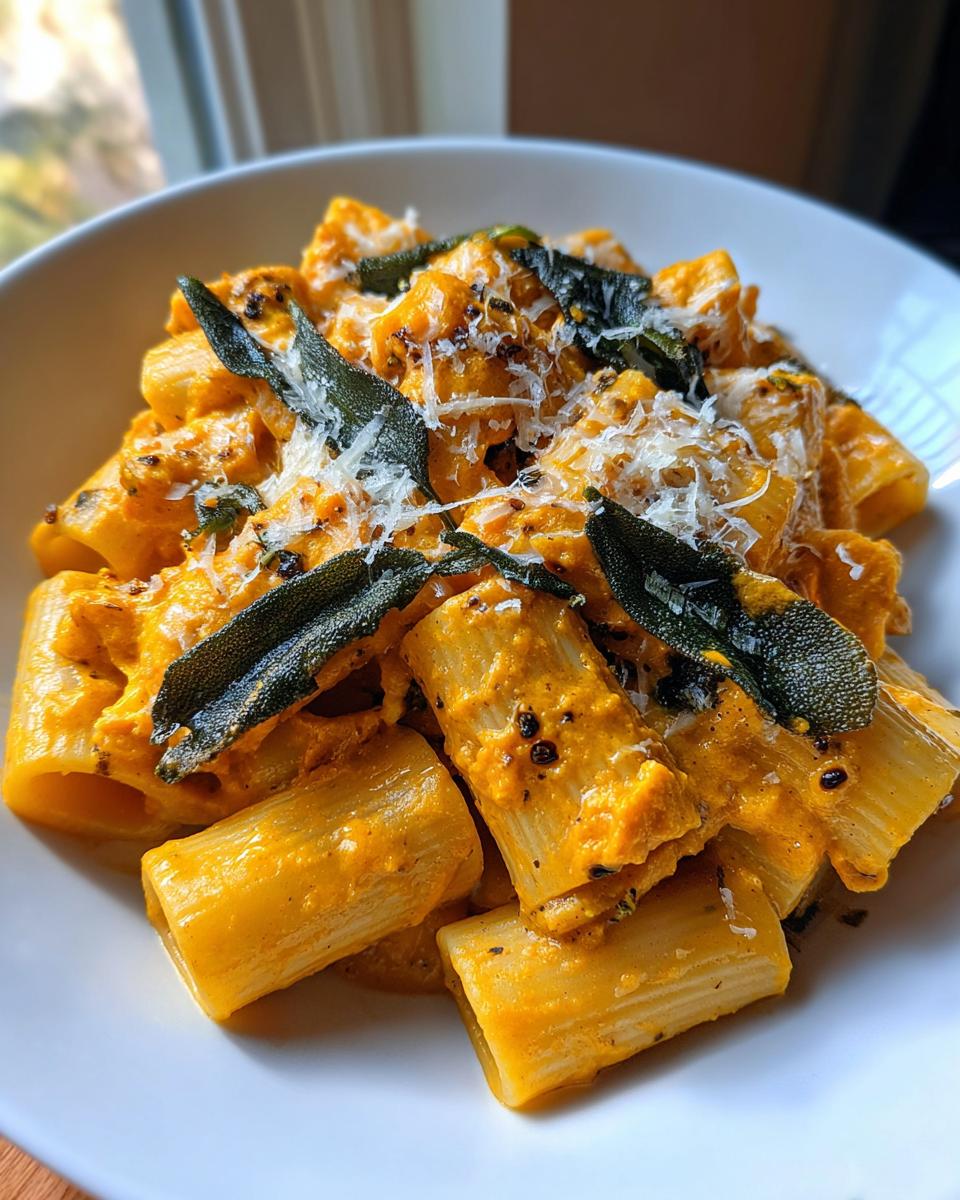
If you’ve ever made a pasta dish where the sauce just doesn’t want to stick to the noodles, you know how disappointing that is! For this butternut squash pasta, getting that velvety coating is the whole point. It’s all about utilizing the magic hidden in your pasta cooking water. That starchy water? That’s liquid gold, my friends. It has floury bits suspended in it that act like a natural thickener when mixed with fat.
When you’re stirring in the Parmesan cheese, make sure the pan is off the heat—this keeps the cheese from getting stringy or seizing up. We absolutely need that emulsification. You’re building a true sauce, not just mixing ingredients. Start adding that pasta water just a little bit at a time while stirring vigorously. You want the liquid to bubble slightly as it mixes with the browned butter and squash mash. Keep adding until it just coats the back of a spoon.
And don’t forget the squash itself! I mash about half of the roasted cubes right there in the pan. If you mash it finely enough, it creates a gorgeous, naturally sweet binder. That mash, combined with the starchy water and the melted Parmesan, is why this creamy butternut squash pasta always looks so luxurious. It’s a trick I use all the time when I need a rich sauce without heavy cream!
Making This Butternut Squash Pasta a Vegetarian Butternut Squash Pasta
The best news about this delicious meal is that it is already perfectly suited to be a wonderful vegetarian butternut squash pasta right out of the gate! You see, there’s no heavy meat here distracting from the sweet squash and nutty brown butter. It’s already one of my go-to vegetarian dinner ideas. If you happen to be cooking for someone who avoids dairy completely, making it a fully vegan option is super simple.
Just skip the little bit of Parmesan cheese stirred in at the end, or swap it out for about two tablespoons of nutritional yeast. Honestly, the nutritional yeast adds a fantastic savory, almost cheesy kick even without the dairy, and it keeps that creamy texture we worked so hard to achieve in the butternut squash pasta sauce! It truly shines as a flavorful pasta meal.
Serving Suggestions for Your Flavorful Pasta Meals
Since this pasta is already so rich with that brown butter and hearty squash, you want sides that feel light and fresh, don’t you think? We don’t want to weigh down a perfect comfort food dinner idea! A simple, crisp green salad dressed with a bright lemon vinaigrette is absolutely perfect for cutting through the richness.
Also, you absolutely have to have something crusty for dipping into the leftover sauce. A slice of toasted artisan bread, maybe rubbed with a little raw garlic clove, is just the thing. It’s the perfect way to make sure not a single delicious bite of that sauce goes to waste!
Storage and Reheating Your Butternut Squash Pasta
This amazing butternut squash pasta tastes heavenly the first night, but let me tell you, it often tastes even better the next day! However, because we are relying on that mashed squash and Parmesan to create our creamy sauce instead of heavy cream, things do change a bit in the fridge. Don’t panic if it looks solid the next morning!
To store leftovers, just pop whatever is remaining into a good airtight container. I usually like to make sure I have maybe a tablespoon or two of plain pasta water reserved for this reason, just in case. You can easily get three to four days out of leftovers stored properly in the refrigerator. When you go to reheat it, the sauce will definitely be quite thick, maybe even a bit stiff. That’s totally normal!
The trick to reviving this butternut squash pasta is gentle heat and moisture. I skip the microwave for this one most of the time because it can make the starch seize up funny. Instead, reheat small portions in a skillet over very low heat. Add a splash—maybe a teaspoon at first—of fresh broth or plain water while stirring constantly. As it warms, it loosens right back up into that lovely creamy sauce we made initially. Just add your liquid slowly until it’s smooth and tasting perfectly seasoned again!
Frequently Asked Questions About Butternut Squash Pasta
It’s funny how a simple, cozy dish like this can bring up so many questions! When you’re cooking something new or trying to put your own spin on a recipe, I always encourage people to ask! I’ve gathered some common things people wonder about when making this butternut squash pasta. We want every single person to feel super confident making this at home.
Can I use pre-cut butternut squash for this butternut squash pasta?
Oh, I totally get it—peeling and chopping squash can be a chore! Yes, you certainly can use the pre-cut cubes from the store, especially when you need one of those quick weeknight pasta meals. Just check the bag! If they look dry or pale, they might have less moisture than what I recommend chopping fresh. If you use pre-cut, I would suggest roasting them for just a few minutes longer, or maybe even tossing them with an extra tiny drizzle of oil. We still need those edges to get nicely browned for the best flavor base for our sauce.
How can I make this a Butternut Squash Alfredo variation?
That’s a fun idea! When people ask about a Butternut Squash Alfredo, they usually mean they want it super rich and maybe a bit tangier. To make a quick swap, you can add about 4 ounces of softened cream cheese right in with the Parmesan cheese at the end—make sure the pan is off the heat, just like we did for the Parmesan! Or, if you want to keep it dairy-free but decadent, you can blend in some of the roasted squash with a few tablespoons of high-quality, plain cashew milk until it’s perfectly smooth before mixing it with the pasta. It gives a lovely, thick texture!
Does this recipe freeze well?
I wouldn’t recommend freezing this whole dish, honestly. The texture of the sauce just doesn’t hold up well after thawing and reheating; the starch separates a bit. However, here’s a great hack for those fall pasta recipes: roast the squash and freeze *that*. You can freeze the roasted squash in an airtight bag for up to three months. Then, when a craving hits, just thaw the squash, quickly brown your butter and sage, toss it with the pasta, and you’re good to go! It saves you the time of scrubbing, peeling, and roasting every time!
Can I make this a spicy Butternut Squash Pasta?
Absolutely, a little heat makes everything exciting, doesn’t it? If you want to move this from a simple comfort food to something with more of a kick, there are two easy ways to do it. First, right when you add the garlic to the brown butter, toss in about a quarter teaspoon of red pepper flakes. Let that sizzle for just ten seconds before adding the garlic. Second, or additionally, you can add a tiny dash of cayenne pepper when you season the final dish with salt and pepper at the end. A little goes a long way, but it’s a lovely addition to these flavorful pasta meals!
Share Your Experience Making This Comfort Food Dinner Idea
Now that you’ve got the secrets to mastering this amazing Brown Butter Sage Butternut Squash Pasta, I truly want to know how it turned out for you! Did you crisp up your sage leaves perfectly? Did the brown butter smell like heaven in your kitchen?
Here at Cooking by Carla, our whole goal is making sure that simple, honest food tastes wonderful and brings people together. That’s the philosophy my parents instilled in me, and it’s the heart of everything I share. That’s why I hope you rate this recipe and let me know what you thought about it down in the comments below. Did you try the spicy kick? Did you swap out the pasta shape? All those little tweaks help our whole community learn! You can read a bit more about this philosophy on my About page.
Go ahead and share your kitchen stories, tag me if you post a photo, or just drop a rating on the recipe card. I’m always so proud to see these comforting meals landing on your tables. Let’s keep making great memories around the dinner plate!
PrintBrown Butter Sage Butternut Squash Pasta
Make this comforting and flavorful pasta dish featuring roasted butternut squash, nutty brown butter, and crispy sage. It is a simple recipe perfect for cozy evenings.
- Prep Time: 15 min
- Cook Time: 35 min
- Total Time: 50 min
- Yield: 4 servings 1x
- Category: Dinner
- Method: Stovetop
- Cuisine: American
- Diet: Vegetarian
Ingredients
- 1 medium butternut squash, peeled, seeded, and cubed
- 1 pound pasta (such as penne or rigatoni)
- 4 tablespoons unsalted butter
- 1/4 cup fresh sage leaves
- 2 cloves garlic, minced
- 1/2 cup reserved pasta water
- 1/4 cup grated Parmesan cheese, plus more for serving
- 2 tablespoons olive oil
- Salt and black pepper to taste
Instructions
- Preheat your oven to 400°F (200°C). Toss the cubed butternut squash with olive oil, salt, and pepper. Roast on a baking sheet for 20 to 25 minutes, or until tender and slightly caramelized.
- While the squash roasts, cook the pasta according to package directions until al dente. Reserve about 1 cup of the starchy pasta water before draining.
- In a large skillet over medium heat, melt the butter. Add the fresh sage leaves and cook until the butter browns and the sage becomes crispy, about 3 to 4 minutes. Remove the crispy sage leaves with a slotted spoon and set them aside for garnish.
- Add the minced garlic to the brown butter in the skillet and cook for 30 seconds until fragrant. Do not let the garlic burn.
- Add the roasted butternut squash to the skillet. Use a potato masher or the back of a spoon to lightly mash about half of the squash, leaving some chunks for texture.
- Add the drained pasta and about 1/2 cup of the reserved pasta water to the skillet. Stir well to coat.
- Remove the skillet from the heat. Stir in the Parmesan cheese until a creamy sauce forms. Add more pasta water, one tablespoon at a time, if the sauce seems too thick.
- Season with salt and pepper to taste.
- Serve immediately, topping each portion with the reserved crispy sage leaves and extra Parmesan cheese.
Notes
- For a smoother sauce, blend the roasted squash with a little pasta water before adding it to the skillet.
- You can substitute brown butter with olive oil for a quicker preparation, but the nutty flavor will be less pronounced.
- This dish works well with whole wheat or gluten-free pasta options.
Nutrition
- Serving Size: 1 serving
- Calories: 550
- Sugar: 8
- Sodium: 350
- Fat: 22
- Saturated Fat: 10
- Unsaturated Fat: 12
- Trans Fat: 0
- Carbohydrates: 75
- Fiber: 9
- Protein: 18
- Cholesterol: 35