
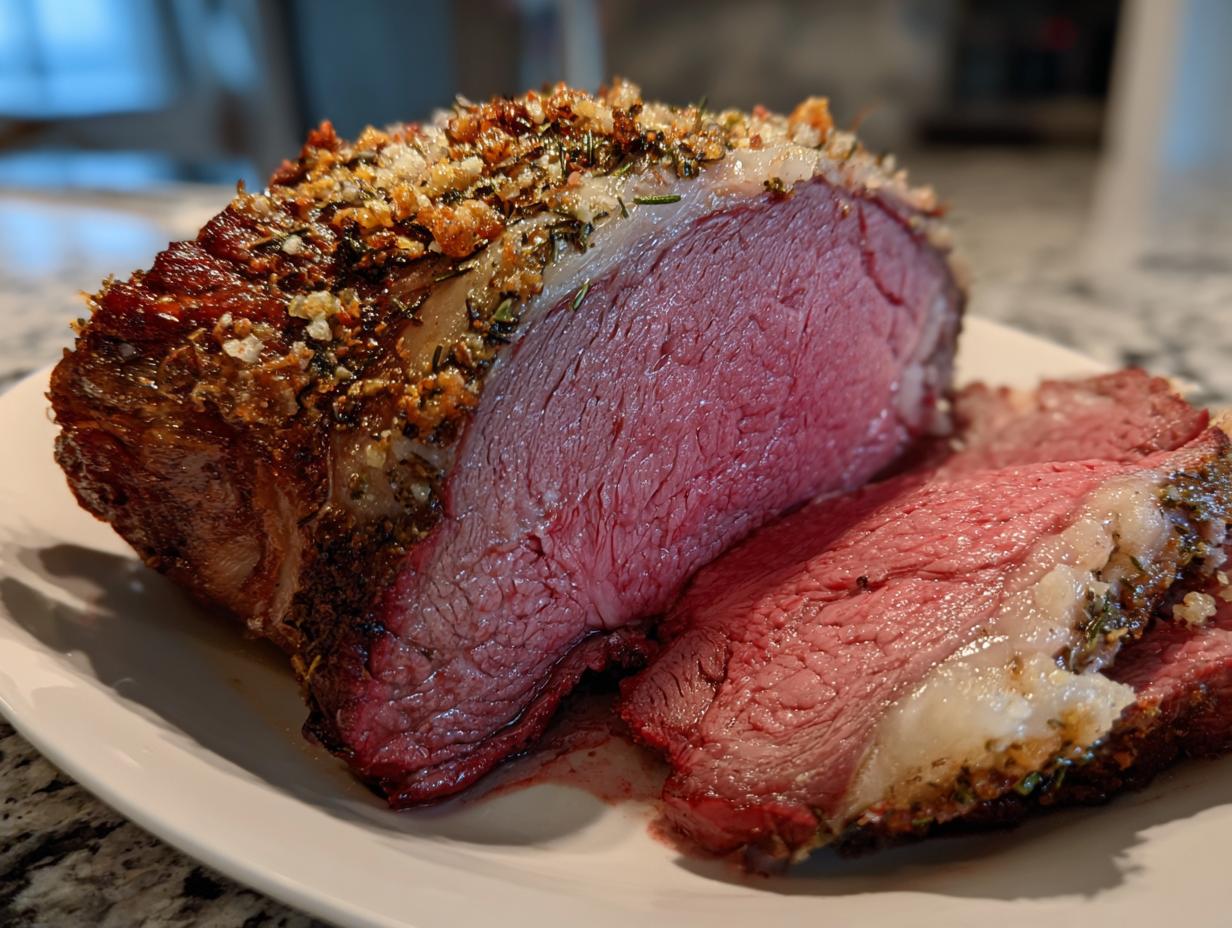
Oh, the holiday centerpiece! There’s just nothing that says “special gathering” quite like bringing a magnificent, glistening roast to the table. If you’re anything like me, you want that showstopper to be perfectly tender and juicy on the inside while sporting a flavorful, gorgeous crust. Friends, I’m sharing my absolute favorite, most dependable way to cook a **rib roast**—the famous 500-degree blast at the beginning. This is the secret to the Best Oven Roasted Rib Roast, and trust me, it’s incredibly reliable.
We’re going to banish dry, sad roast beef from your holiday table forever! This method ensures that lovely, slow-cooked texture we all crave, but we get that beautiful sear right upfront, which seals in all the good juices. It’s tradition meets foolproof technique, and I just know you’re going to love serving this up to your family. Check out my recipe for a classic Sunday Pot Roast too—it uses similar principles of slow, gentle cooking!
- Why This Oven-Roasted Rib Roast Recipe Guarantees Success (The Carla Method)
- Essential Ingredients for Your Tender and Juicy Roast Beef Recipe
- Step-by-Step Instructions for the Ultimate Rib Roast
- Making Simple Au Jus for Your Holiday Main Course Roast
- Tips for Success When Cooking a Standing Rib Roast Cooking Method
- Serving Suggestions for Your Special Occasion Roast Meat
- Storage and Reheating Instructions for Leftover Rib Roast
- Frequently Asked Questions About Making a Prime Rib Roast Recipe
- Estimated Nutritional Data for This Herb Crusted Rib Roast
Why This Oven-Roasted Rib Roast Recipe Guarantees Success (The Carla Method)
When you’re making a centerpiece this important—a big, beautiful **rib roast**—you can’t leave things to chance. This method is what I call my Foolproof Prime Rib Technique because it’s all about managing two temperatures. We start hot, scorching hot at 500 degrees Fahrenheit! That initial blast is crucial; it helps create a lovely, deep brown crust on the outside of the meat very quickly.
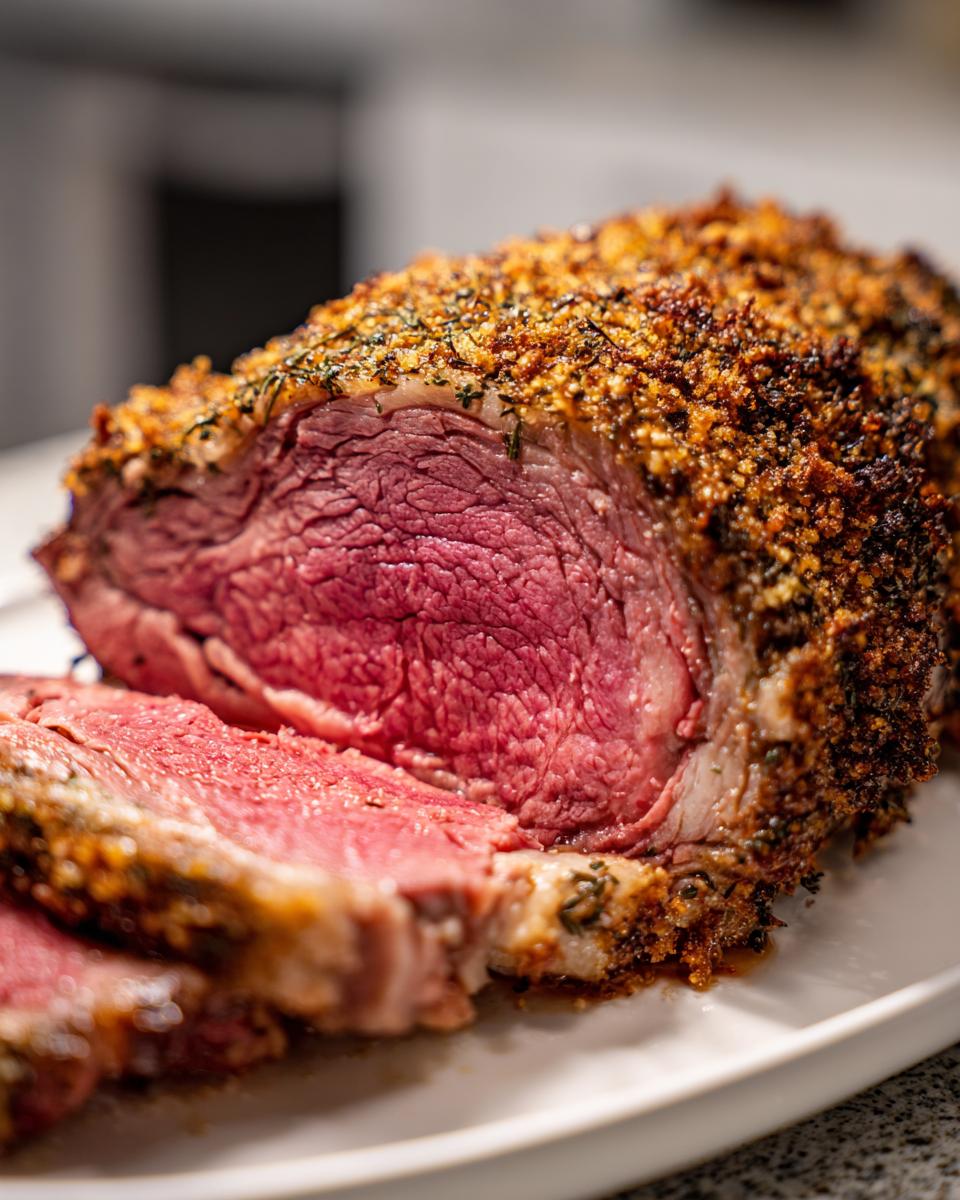
Right after that 15 minutes per pound, we gently drop the temperature down to 325 degrees for the slow cook. This two-step process ensures the outside gets that crisp texture while the inside cooks evenly, preventing those gray bands of overcooked meat near the edge. That’s why this is the Best Oven Roasted Rib Roast you’ll ever make—it balances the high heat crust and the gentle roast perfectly. If you love reliable techniques that give you juicy results, you’ll adore my Meatloaf Recipe too! Trust me, keeping that oven door shut once you drop the temp is part of the magic!
Achieving the Perfect Herb Garlic Rub for Your Rib Roast
Now, we have to talk about flavor! A good crust is more than just color; it’s where all the savory goodness lives. My Garlic Herb Roast Recipe starts with softening that butter—don’t melt it, just let it get really soft, almost like thick frosting. You mix that delicious minced garlic and olive oil right into the butter first.
This buttery paste acts like perfect glue. Once you smear that all over your entire **rib roast**, you sprinkle on your salt and herbs. The butter holds the rosemary, thyme, and garlic powder right against the meat as it cooks. It’s not just seasoning; it’s creating a flavorful shell that locks in moisture. If you want to see how I use a similar butter technique on chicken, check out my Lemon Garlic Butter Roast recipe. It really makes the flavor stick!
I found this wonderful method online years ago that is truly reliable, and it’s similar to what some folks call the ‘500 Rule’ method for prime rib, which you can read more about here if you’re curious: Foolproof Prime Rib Recipe. It simplifies things so much!
Essential Ingredients for Your Tender and Juicy Roast Beef Recipe
When we talk about a classic **rib roast**, the ingredients list is wonderfully short. That’s how you know you are dealing with a truly special cut of beef! You don’t need tons of fancy extras, just quality components treated with respect. Remember, for this recipe, precise measurements matter so we can achieve that perfect crust and moisture. We are using salt, pepper, thyme, rosemary, and garlic powder for our dry rub, and for the paste, we need soft butter, fresh garlic, and olive oil.
Selecting the Right Bone In Rib Roast
Choosing your roast is the first big step toward success, dear cooks! I always, always recommend a Bone in Rib Roast. Those bones act like little insulators, which helps the meat closest to them stay extra juicy and protected during the heat of the oven. When you are at the butcher counter looking for your standing **rib roast** (which is the same as prime rib, don’t let the different names confuse you!), look for even marbling—those little white flecks of fat throughout the muscle. That fat melts while we roast, and that’s exactly what gives us that melt-in-your-mouth quality everyone loves.
For timing your meal, remember five to seven pounds is a great starting point for a smaller gathering, but always aim for a roast that looks relatively uniform in thickness. That helps guarantee an even cook!
Step-by-Step Instructions for the Ultimate Rib Roast
Now for the part where we get that stunning centerpiece in the heat! Don’t you dare walk away from the oven during this process; I want you to watch this magic happen. The most important rule for any big **rib roast** is patience *before* the cooking starts. You must remember to take that beautiful roast out of the refrigerator at least two, maybe even three, hours ahead of time. We want it relaxed and close to room temperature so it cooks evenly.
Once it’s rested on the counter, pat it completely dry with paper towels—a dry surface is what helps us build that gorgeous, savory crust we talked about! After you’ve applied that wonderful herb and garlic paste, we preheat the oven to a screaming 500 degrees Fahrenheit. Here is the timing I follow religiously:
- Place that roast, fat side up, on the rack in the roasting pan. No pooling liquid in the bottom of the pan, please!
- Pop it into that super hot 500-degree oven. You need to roast it at this high temperature for exactly 15 minutes for every pound of meat. Set a timer and don’t peek!
- When that timer goes off—and this is important—reduce the oven temperature down to 325 degrees Fahrenheit. Don’t open the door when you change the temperature; just turn the dial!
- Now, let it continue to roast gently until it hits that magical internal number. This is where the meat thermometer, your best friend, comes into play. You’ll see the full temperature guide below, but for medium-rare, you are aiming to pull it out around 125 to 130 degrees Fahrenheit.
When you’re looking for other simple, high-heat roasting techniques for family favorites, I highly recommend looking at how I handle a whole chicken using spatchcocking. Those initial high temperatures really do wonders for the skin and crust!
The Crucial Temperature Check: Perfect Temperature for Prime Rib
This is where home cooks often get nervous, but I promise you, once you trust your thermometer, you’ll never stress about overcooking again! When checking the **Perfect Temperature for Prime Rib**, you must insert your meat thermometer into the absolute thickest part of the meat. And here’s a tip I learned the hard way: make absolutely sure that metal tip isn’t touching the bone underneath it. The bone will read hotter than the meat, and you’ll pull it too early!
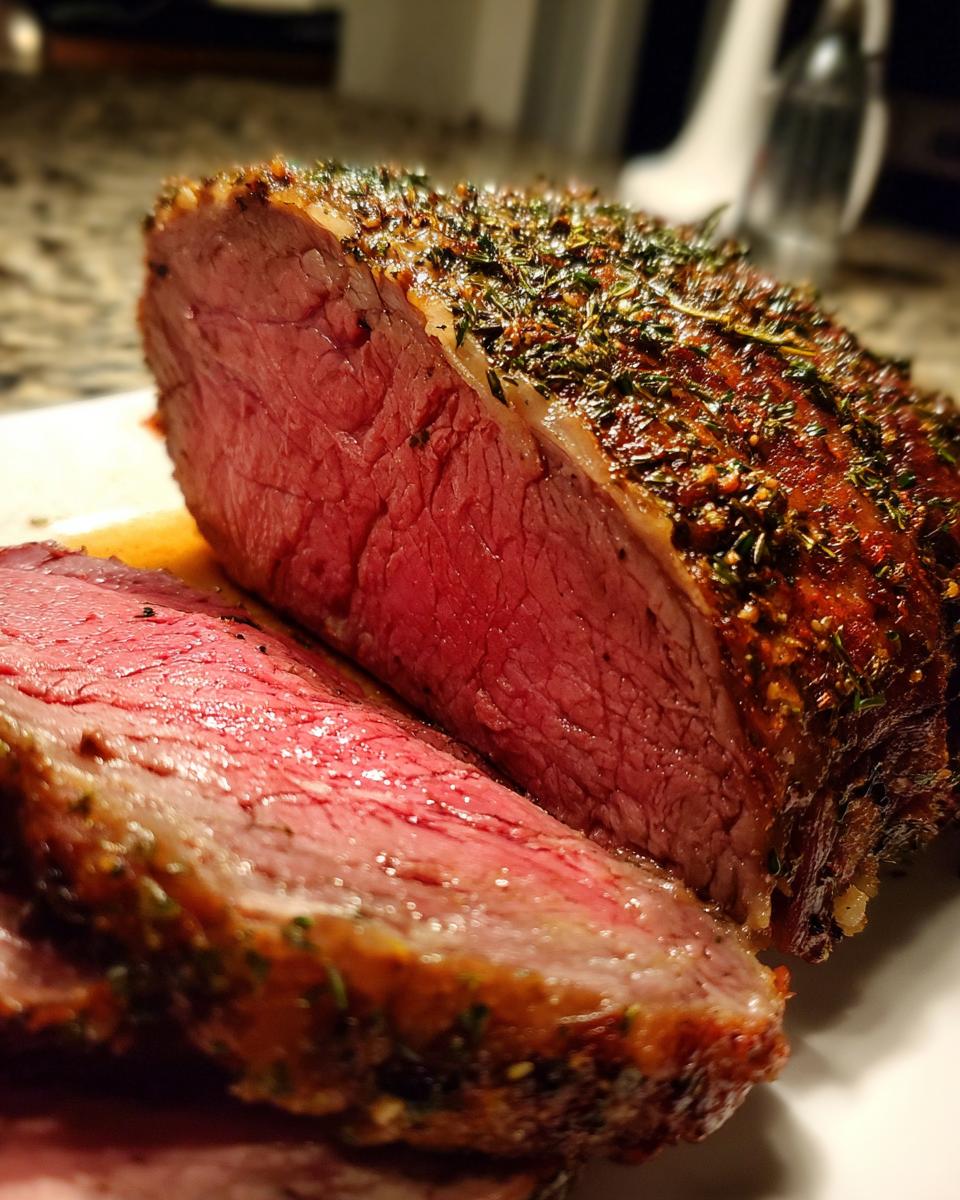
For a perfect medium-rare result that melts in your mouth, you need to remove the **rib roast** from the oven when the thermometer shows 125°F to 130°F. That sounds low, right? It is! But don’t worry; the roast continues cooking while it rests, which is our next vital step. If you wait until it hits 135°F in the oven, it will be medium-well by the time you sit down to eat! If you want to check out other reliable methods people use, here’s one I stumbled upon: How to Cook a Standing Rib Roast.
The Essential Resting Period for Your Rib Roast
You’ve cooked this magnificent **rib roast** perfectly, and now you’re dying to carve into it. Hold on! If you cut it immediately, all those beautiful, hot juices that have concentrated in the center will rush right out onto your cutting board, leaving you with a dry roast. We need to let those juices redistribute evenly throughout the meat.
This is called carryover cooking. Once you pull that roast out of the oven at the target temperature, tent it loosely with foil—and I mean *loosely*; we don’t want the crust to get soggy! Let it rest for a minimum of 20 minutes. For a larger roast, I usually let it rest for 30 minutes. That time allows the internal temperature to safely climb those last few degrees, ensuring every single slice of your **rib roast** is moist and tender. It’s a non-negotiable step in my kitchen!
Making Simple Au Jus for Your Holiday Main Course Roast
Honestly, if you’ve cooked a beautiful, fatty **rib roast** like this, you have already done most of the work for your sauce! We don’t need fancy flour-thickened gravies here; we want that pure, savory flavor of the meat drippings, which is what makes a fantastic Roast Beef Au Jus Recipe.
Once you’ve pulled that roast out to rest, you’ll notice a nice amount of glorious rendered fat and meat juices stuck to the bottom of your roasting pan. Carefully pour those pan drippings into a saucepan. You might see a little layer of fat floating on top of the flavorful liquid part—that’s good! Skim off the excess fat with a large spoon. You want to keep the flavorful brown bits, though!
Now, you just add some beef broth to the saucepan to thin it out to your desired consistency. Remember, au jus means “with its own juice,” so we aren’t trying to make a thick gravy. Simmer it gently on the stove for just a few minutes to meld the flavors together. Taste it—it will likely need just a tiny pinch of salt. That’s it! It’s the perfect, effortless sauce to drizzle over every slice. If you are looking for a fantastic sweet finish to your big dinner, you absolutely have to try my recipe for Easy Homemade Chocolate Pudding!
Tips for Success When Cooking a Standing Rib Roast Cooking Method
Now that you have the **Ultimate Juicy Oven-Roasted Prime Rib** recipe down, I want to share a few of my little chef secrets—things I picked up over the years that ensure this Standing Rib Roast Cooking Method works flawlessly every single time you try it. These aren’t complicated tricks, they are just good, honest kitchen sense that helps guarantee that beautiful, pink center for your **rib roast**.
First thing: the oven door! Once you drop that temperature from 500 degrees down to 325 degrees—do not open the door! Seriously, don’t peek or prod. Every time you open that door, you let out a huge rush of heat, and the oven has to work overtime to get back up to temperature. That fluctuation causes the roast to pause cooking, and that pause is what leads to uneven doneness. Let the oven do its job!
We talked about temperature a lot, but let’s list the target pull temps again because they are critical for a guaranteed juicy result. For medium-rare, you are looking for 125°F to 130°F when you pull the **rib roast** out. If your roast is large—say, six pounds or more—always err on the side of pulling it a little sooner than you think you should. Trust the resting process to finish the cooking!
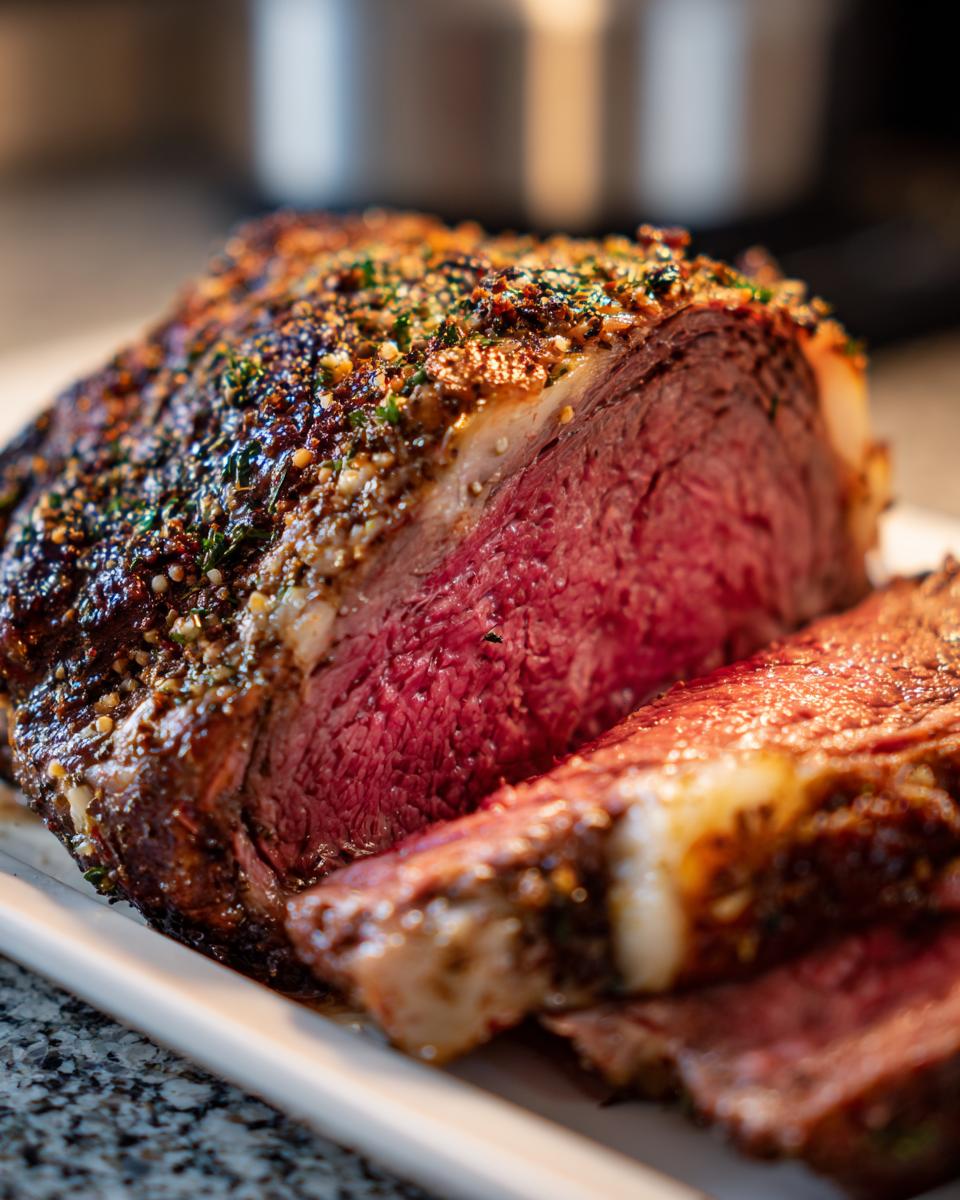
Also, since we are using a high-heat start, make sure your roasting pan rack is sturdy! You don’t want the pan wobbling when you move it in and out, especially after the roast has rendered down and got heavy. If you are prepping other sides for your big gathering, you simply must try my Honey Butter Skillet Corn; it’s such a bright counterpoint to the rich beef. You can find other tips on getting a fantastic Christmas centerpiece from some friends here: Best Christmas Prime Rib.
Remember, a successful **rib roast** is all about respecting the process. It’s a luxury cut, and a little patience through these stages makes all the difference!
Serving Suggestions for Your Special Occasion Roast Meat
Once you’ve successfully managed to pull that gorgeous, juicy **rib roast** out of the oven and it’s resting beautifully, the work isn’t quite done! The main event needs worthy side dishes to keep it company on the table. A centerpiece this rich and savory deserves accompaniments that either complement that deep beef flavor or offer a little brightness to cut through the richness.
I always think about texture and color here. You have this huge, brown and pink roast; we need some texture! Classic mashed potatoes are non-negotiable in my house—creamy, fluffy, and ready to soak up all those wonderful pan drippings or that simple au jus we made. Don’t skimp on the butter in your potatoes, especially when you’re serving something as grand as a **rib roast**!
For vegetables, I lean towards things that roast up beautifully alongside the meat without taking up too much oven space or stealing focus. Roasted asparagus or glazed carrots are always winners. If you’re looking for a real crowd-pleasing side for the holidays—something sweet and crunchy that everyone asks for year after year—you simply must check out my Sweet Potato Casserole with Pecan Crunch recipe. That sweet-and-savory combination goes absolutely wonderfully with the herb crust on the **rib roast**.
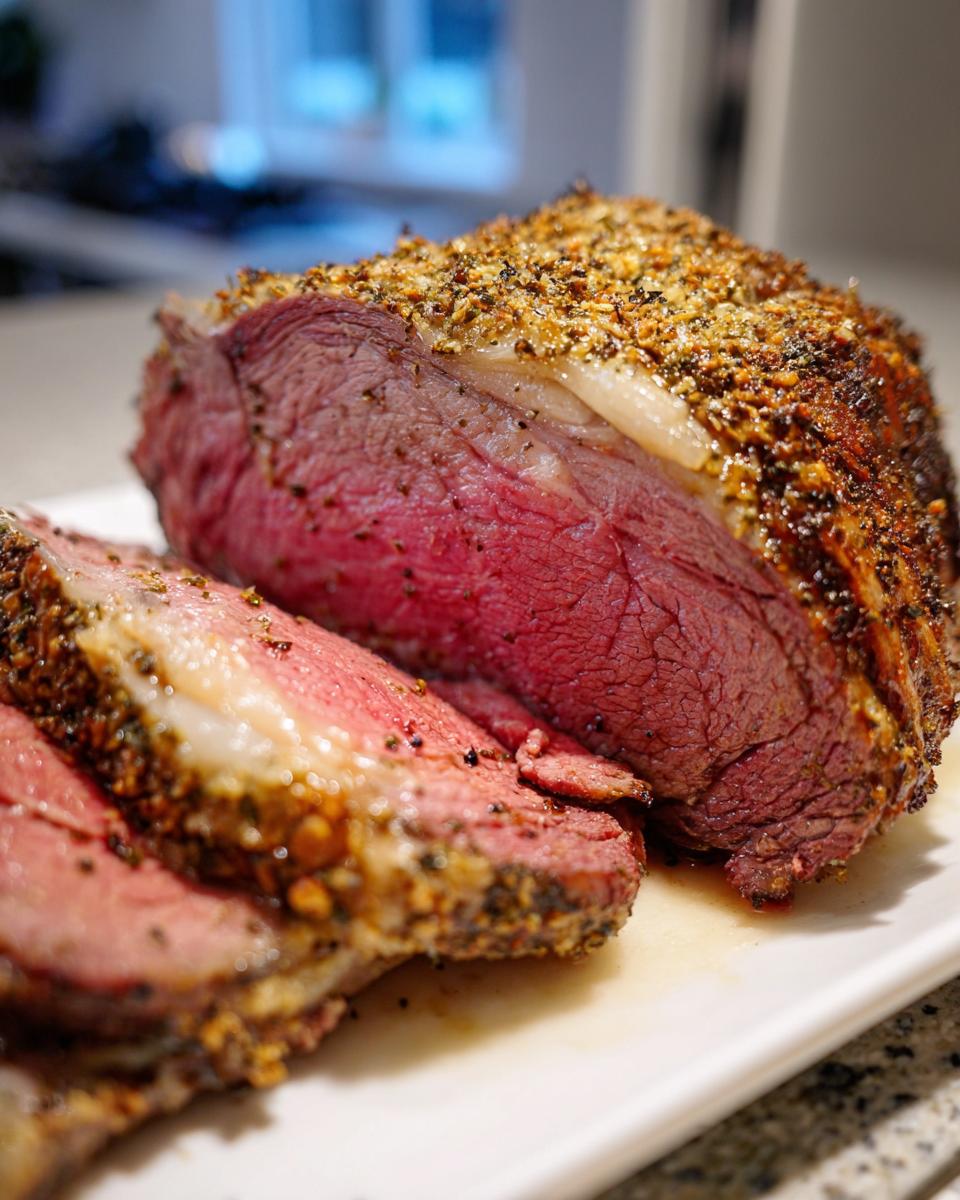
Another wonderful addition, especially if you didn’t make a thick gravy, is a sharp, pungent element to balance the richness. A classic creamy horseradish sauce, made simply with sour cream, prepared horseradish, and a squeeze of lemon, is perfect for those who like a little kick with their prime rib.
Remember, serving this **Special Occasion Roast Meat** is the reward. Take your time carving, make sure everyone gets a nice piece of that flavorful crust, and enjoy the compliments!
Storage and Reheating Instructions for Leftover Rib Roast
Well, planning for leftovers is almost as fun as planning the main event, isn’t it? Even a magnificent **rib roast** sometimes means we have a bit of that glorious beef left over the next day. How you store those precious remnants makes a huge difference in how good they taste when you reheat them! The trick is recognizing that cold roast slices differently than a big hunk of meat.
If you happen to have rather thick slices remaining—say, half a pound or more together—wrap that piece tightly in plastic wrap first, and then pop it into a zip-top bag or an airtight container. Keeping it tightly sealed helps prevent it from drying out in the refrigerator. If you’re lucky enough to have large chunks that haven’t been sliced yet, treat it just like you would a ham: secure wrap, refrigerator, and plan to use it within three or four days.
Storing Thin Slices vs. Thick Pieces for Moisture Control
For me, the real challenge comes after the first day when everything left is sliced thin. Thin slices dry out so quickly when reheated, and nobody wants that! If you have a pile of thinly sliced **rib roast**, try layering it slightly overlapped in a sturdy container. Pour just a spoonful or two of your leftover au jus, or even some good quality beef broth, right over the meat before sealing it. This little bit of added liquid protects the edges and keeps the beef tender while it chills.
Use leftovers quickly! Whether it’s thinly sliced or in big chunks, aim to enjoy your leftover **rib roast** within three days. If you know it’s going to stick around longer, slice it thin and freeze it immediately. Frozen slices are wonderful for making quick sandwiches later on.
The Best Way to Reheat Your Leftover Rib Roast
You do *not* want to just throw those slices back into the microwave on high heat; that’s a recipe for shoe leather! When reheating, we want gentle, moist heat. If you have thick pieces, slice them against the grain first—this makes them much more tender upon reheating. Then, don’t microwave them naked!
Place your slices in a shallow baking dish. If you have any leftover au jus or broth, pour just enough to cover the very bottom of the dish—no more than a quarter-inch deep. Cover that dish tightly with foil. You want to heat this gently in the oven at a very low temperature, maybe 275°F, just until they are heated through. If you are in a pinch, a quick 30-second burst in the microwave is okay, but always add a tiny splash of broth to the bowl first to create some steam.
These are perfect additions to a quick side dish later! If you need a simple, flavorful sauce to go with those reheated slices, you should definitely check out my recipe for an Easy Creamy Garlic Sauce Recipe. It’s wonderful spooned over leftover roast beef sandwiches!
Frequently Asked Questions About Making a Prime Rib Roast Recipe
I always get questions when folks try to make a big centerpiece like this **rib roast**—it’s a big investment, and you want it perfect! That’s completely understandable. Here are the top three things I hear most often from home cooks trying out this Prime Rib Roast Recipe for the first time. Don’t hesitate to reach out if your specific question isn’t covered here; you can always find my contact information on my contact page!
Is a Bone-In Rib Roast Really Better Than Boneless?
If you ask me, yes, absolutely! When you are planning for your Holiday Main Course Roast, I highly recommend sticking with the bone-in variety. Think of the bones as built-in insulation for your beautiful **rib roast**. They shield the meat right next to them from the intense oven heat, which means that meat stays tender and protected, helping prevent overcooking right near the bottom. While a boneless roast is definitely easier to carve, the bone-in cut provides a richer beef flavor and results in a better overall texture for your **Standing Rib Roast**.
Can I Skip the 500-Degree Start and Just Roast it Low the Whole Time?
You certainly can use a lower temperature for the entire cooking time for your **rib roast**—that’s a method people use successfully, often called slow roasting. However, if you are looking for that deep, savory, brown crust that makes this **Herb Crusted Rib Roast** look like it came from a fancy steakhouse, you really should include that initial 15 minutes per pound at 500 degrees. Without that hot blast, you risk getting a roast that is gray on the outside and doesn’t have that wonderful textural contrast when you bite into it. I think the time saved by skipping the initial sear isn’t worth the tradeoff in flavor and crust development!
What’s the Best Seasoning for a Rib Roast if I Don’t Want Garlic?
Oh, that’s a great question for those with allergies or strong garlic dislikes! While my favorite is definitely the Garlic Herb Roast Recipe we use here for the best flavor, you can absolutely create a wonderful seasoning blend without it for your **rib roast**. You need salt and pepper, of course, but for the herbs, focus on robust, woody flavors. Use equal parts fresh rosemary, fresh thyme, and maybe some finely ground dried sage.
Instead of the garlic butter paste to bind it, use olive oil and maybe a little Dijon mustard—the mustard adds a lovely tang! If you want some inspiration for another flavor profile that people rave about, you can check out these other amazing ways folks season their meat, like this fantastic recipe: Herb Garlic Prime Rib Roast.
In the end, whether you choose bone-in or boneless, or how you season it, the key to the best **rib roast** is always getting that internal temperature right before you rest it!
Estimated Nutritional Data for This Herb Crusted Rib Roast
Now, let’s talk a little bit about the numbers, though this is where Carla has to remind you she’s a teacher first, not a nutritionist! When you prepare this beautiful **rib roast**, you are making a very rich, celebratory meal. The nutritional data I’m sharing below is based on the ingredients listed—the prime rib, the butter, the olive oil, and the herbs—and is divided out across the estimated six servings.
Please keep in mind that this is just an estimate for a standard serving size of about 6 ounces of cooked meat. If you serve a larger slice, which I know is tempting when it looks this good, your numbers will obviously go up! Cooking by Carla is all about sharing meals made with love from scratch, so please take these figures as a general guideline for your amazing Herb Crusted Rib Roast centerpiece, not as a strict clinical breakdown.
- Serving Size: 6 oz cooked
- Calories: 450
- Fat: 30g (Includes Saturated Fat: 12g & Unsaturated Fat: 18g)
- Protein: 40g
- Carbohydrates, Fiber, and Sugar: 0g
- Cholesterol: 150mg
- Sodium: 450mg (This number is heavily influenced by the kosher salt in the rub!)
The marbling in the **rib roast** itself really contributes to that fat content, but it’s also what makes the meat so unbelievably tender and flavorful. If you are concerned about sodium intake, remember that much of that comes from the salt we use in the herb rub that creates that perfect crust. You can always slightly reduce the kosher salt if needed, though I always caution against removing too much!
We aim for food that tastes wonderful at our family table, and I hope these figures help you plan your holiday feast responsibly. If you ever have questions about the recipe itself, don’t hesitate to reach out through my Privacy Policy page—I love hearing from my cooks!
PrintThe Ultimate Juicy Oven-Roasted Prime Rib with Garlic Herb Crust
This recipe shows you how to make a tender, juicy standing rib roast with a flavorful garlic herb crust, perfect for your holiday centerpiece.
- Prep Time: 20 min
- Cook Time: 3 hours
- Total Time: 3 hours 20 min
- Yield: 6-8 servings 1x
- Category: Main Course
- Method: Oven Roasting
- Cuisine: American
- Diet: Low Fat
Ingredients
- 1 (5-7 lb) bone-in rib roast (prime rib)
- 3 tablespoons kosher salt
- 2 tablespoons black pepper
- 1 tablespoon dried thyme
- 1 tablespoon dried rosemary
- 1 tablespoon garlic powder
- 6 cloves garlic, minced
- 4 tablespoons unsalted butter, softened
- 1 tablespoon olive oil
Instructions
- Remove the rib roast from the refrigerator 2 to 3 hours before cooking to allow it to come closer to room temperature. Pat the roast completely dry with paper towels.
- Preheat your oven to 500 degrees Fahrenheit.
- In a small bowl, combine the kosher salt, black pepper, dried thyme, dried rosemary, and garlic powder.
- In another small bowl, mix the softened butter, minced garlic, and olive oil until you have a paste.
- Rub the entire surface of the roast with the butter mixture. Then, sprinkle the salt and herb mixture evenly over the roast, pressing it gently into the meat.
- Place the roast, fat side up, in a roasting pan fitted with a rack. Do not add any liquid to the pan.
- Place the roast in the preheated 500 degree oven. Roast at this high temperature for exactly 15 minutes per pound of meat.
- After the initial high-heat roasting time, reduce the oven temperature to 325 degrees Fahrenheit without opening the oven door. Continue roasting until the internal temperature reaches your desired doneness (see notes for temperatures).
- Use a meat thermometer inserted into the thickest part of the roast, avoiding the bone. For medium-rare, remove the roast when the thermometer reads 125 to 130 degrees Fahrenheit.
- Remove the roast from the oven, tent it loosely with foil, and let it rest for at least 20 minutes before carving. The internal temperature will rise during resting.
- Carve the roast between the bones and serve immediately with pan drippings or au jus.
Notes
- For medium doneness, remove the roast at 135 to 140 degrees Fahrenheit.
- For medium-well, remove the roast at 145 to 150 degrees Fahrenheit. Remember that carryover cooking will increase the temperature by 5 to 10 degrees while resting.
- To make a simple au jus, pour the drippings from the roasting pan into a saucepan. Skim off excess fat. Add beef broth to reach your desired consistency and simmer briefly.
Nutrition
- Serving Size: 6 oz cooked
- Calories: 450
- Sugar: 0
- Sodium: 450
- Fat: 30
- Saturated Fat: 12
- Unsaturated Fat: 18
- Trans Fat: 0
- Carbohydrates: 0
- Fiber: 0
- Protein: 40
- Cholesterol: 150