

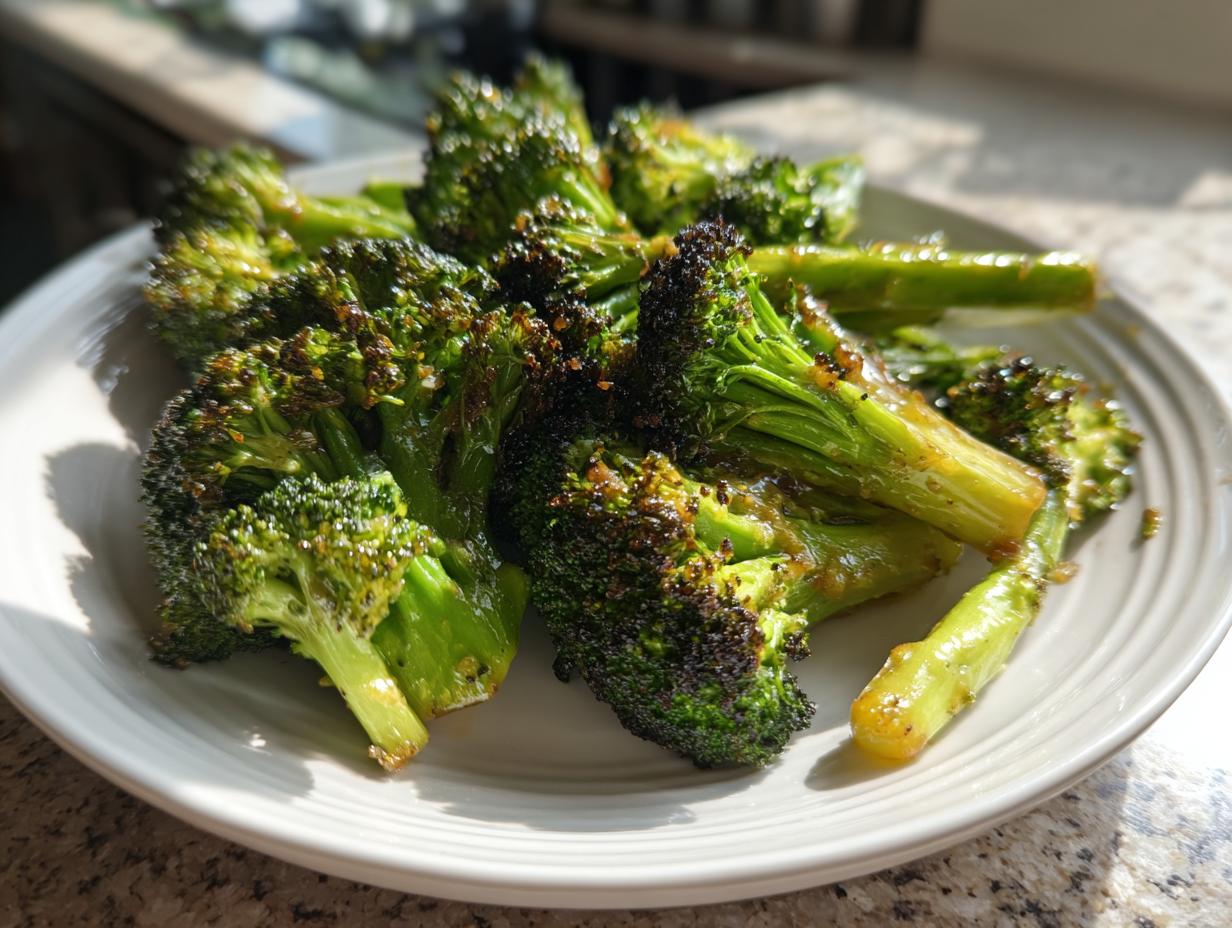
Sometimes we get stuck in a rut serving vegetables, don’t we? You roast the broccoli, maybe add a little salt and pepper, and call it a night. It’s fine! But ‘fine’ isn’t really what we’re aiming for here at Cooking by Carla. We want delicious, memorable food that tastes like you spent way more time on it than you actually did. That’s exactly why I’m so thrilled to share this roasted broccoli vinegar mustard glaze recipe. It completely changes the game for weeknight sides! It’s all about finding that perfect, bright balance—the tanginess of the vinegar cutting through the richness of the roast, anchored by that sharp little kick from the Dijon. If you love those deeper seasonings, you might also want to check out my recipe for garlic herb roasted veggies, but this glaze version is special. Trust me, once you make this simple, flavorful companion dish, you’ll be turning to it week after week. It’s easy, and the payoff in flavor is huge.
- Why This Roasted Broccoli Vinegar Mustard Glaze Recipe Works (E-E-A-T)
- Gathering Ingredients for Roasted Broccoli Vinegar Mustard Glaze
- Step-by-Step Instructions for Roasted Broccoli Vinegar Mustard Glaze
- Tips for Success with Your Roasted Broccoli Vinegar Mustard Glaze
- Serving Suggestions for This Tangy Roasted Broccoli Side Dish
- Storage and Reheating Instructions for Glazed Roasted Vegetables
- Frequently Asked Questions About Roasted Broccoli Vinegar Mustard Glaze
- Nutritional Information for Roasted Broccoli Vinegar Mustard Glaze
- Share Your Experience Making This Recipe
- Nutritional Information for Roasted Broccoli Vinegar Mustard Glaze
- Share Your Experience Making This Recipe
Why This Roasted Broccoli Vinegar Mustard Glaze Recipe Works (E-E-A-T)
When I taught elementary school, the biggest thing was making sure the lesson was reliable—something you could come back to again and again and know it would work. That’s how I approach cooking! This side dish proves that you don’t need complexity for greatness. It’s a dependable choice for your menu, perfect for busy evenings. If you’re looking for more dependable meals, check out my list of simple weeknight dinners.
- It delivers a genuinely tangy roasted broccoli side dish without fuss.
- This is an easy vinegar mustard broccoli recipe—no fancy equipment needed.
- The process is straightforward, guaranteeing a delicious result every single time.
Perfect Texture: How to Roast Broccoli Perfectly
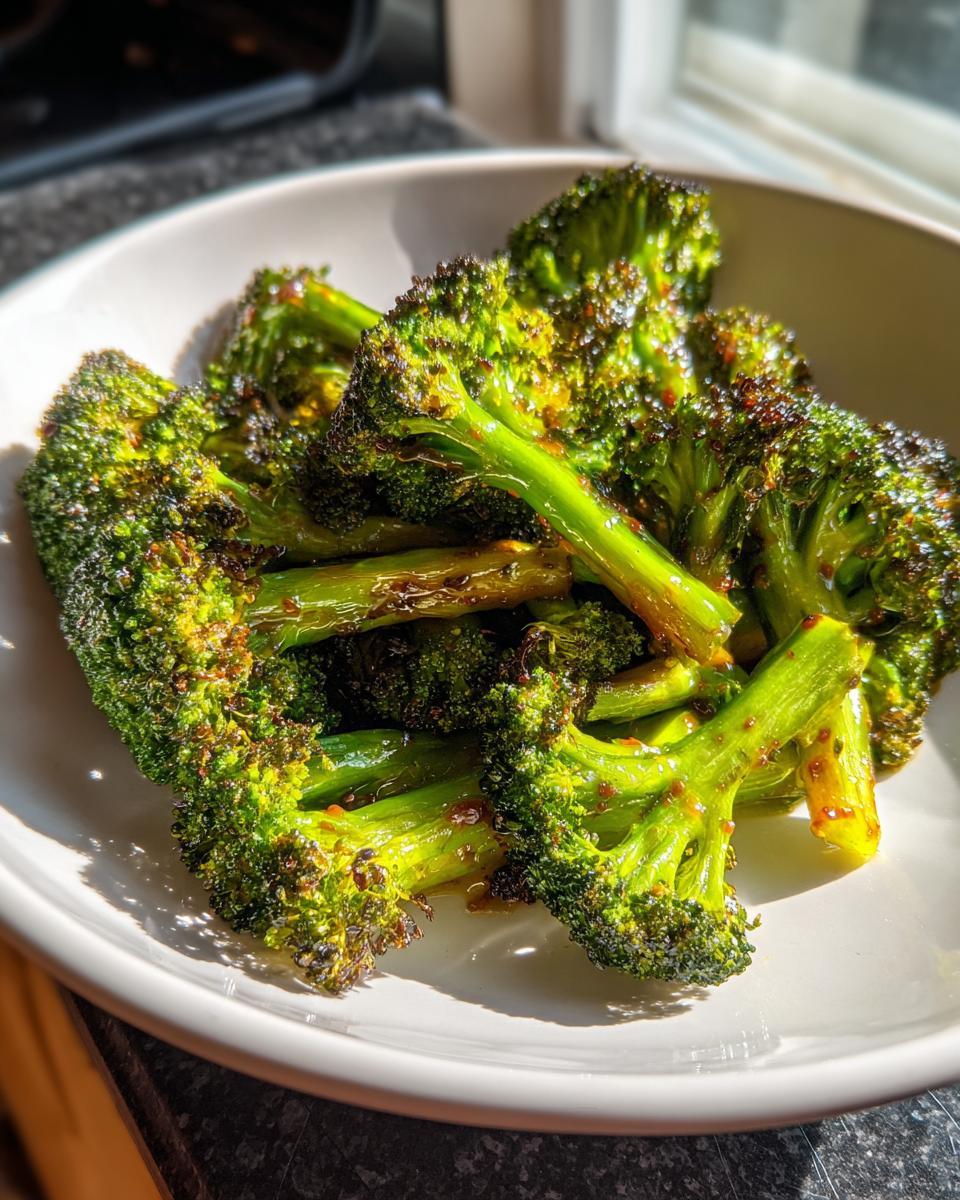
Texture is everything when it comes to roasted vegetables, right? Soggy broccoli is just disappointing. That’s why we stick firmly to 400 degrees Fahrenheit here. This heat lets the edges get those lovely little crispy, charred spots we all look for, while the inside stays pleasantly crisp-tender. You just have to make sure those florets have some space on the pan; overcrowding is how you get steam, and steam means soggy veggies. We want happy roasting, not a sad, steamy mess!
Achieving the Best Flavor Balance in Your Roasted Broccoli Vinegar Mustard Glaze
What makes this vegetable side sing is how the flavors play together. We use apple cider vinegar for that bright, welcoming tang, and Dijon mustard brings a deep, savory sharpness. But here’s the secret sauce: we add just a touch of honey. That little bit of sweetness is what rounds out the acidity. It stops the glaze from being too sharp! When you get that perfect hit of roasted broccoli vinegar mustard glaze coating every piece, that’s when you know you’ve hit peak deliciousness. It’s complex flavor built from just a few simple players.
Gathering Ingredients for Roasted Broccoli Vinegar Mustard Glaze
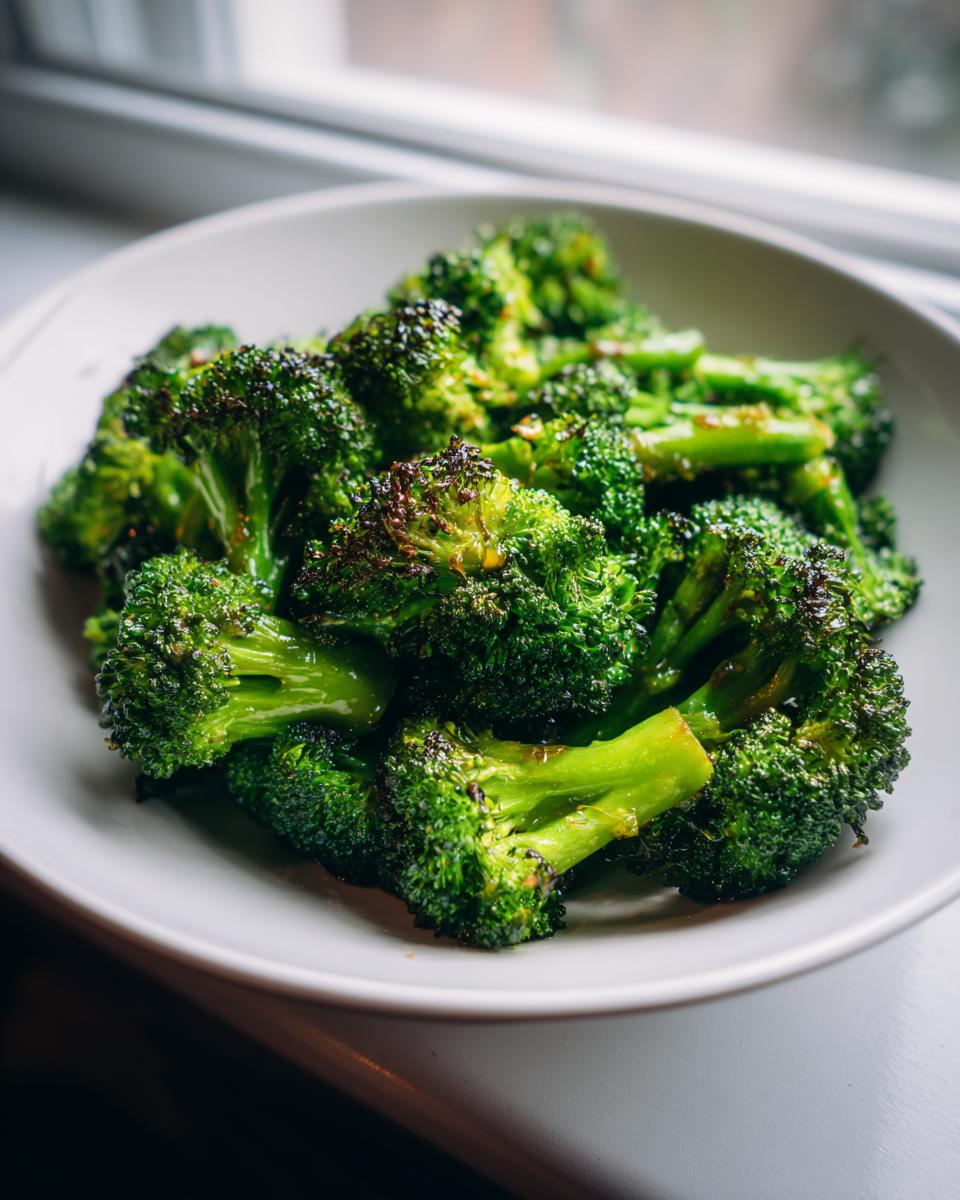
Before we get this gorgeous green vegetable into the oven, we need to gather our supplies. I’ve learned over thirty years of teaching and cooking for my own family that if you have everything measured out and ready—what we call *mise en place*—the actual cooking part just flows like butter. You’ll notice that we keep the ingredients simple, focusing on high-quality pantry staples to build our flavor. This simple list is what makes the roasted broccoli vinegar mustard glaze recipe so dependable for those hectic Tuesdays! It’s a great side, though if you’re looking for something totally different one night, my quick fried noodles recipe is also a staple around here.
- 1 large head broccoli, cut into florets
- 2 tablespoons olive oil
- 1/2 teaspoon salt
- 1/4 teaspoon black pepper
- 2 tablespoons apple cider vinegar
- 1 tablespoon Dijon mustard
- 1 teaspoon honey or maple syrup
- 1 clove garlic, minced
Ingredient Notes and Substitutions for Tangy Roasted Broccoli Side Dish
Since we rely on these few ingredients to carry the whole flavor profile of this tangy roasted broccoli side dish, choosing the right ones matters. I really, truly want you to use Dijon mustard. It has that perfect sharp snap that regular yellow mustard just doesn’t deliver here. If you’re grabbing something from the cupboard, make sure that seasoning clove of garlic gets finely minced; we don’t want huge chunks of raw garlic!
As noted in my recipe cards, you have a little flexibility with the sweetener. If you’re out of honey, maple syrup works beautifully, and vice versa. Also, if you find your broccoli florets are really spaced out on the pan, you might need an extra drizzle of oil to keep them from drying out before they char. It’s all about watching and adjusting, which is part of the joy of cooking!
Step-by-Step Instructions for Roasted Broccoli Vinegar Mustard Glaze
Okay, let’s get down to the actual cooking! As a former teacher, I know you need clear, simple steps, especially when timing is key. This recipe moves fast once the oven gets hot, so having your ingredients ready helps tremendously. We are working toward that perfect texture where the broccoli is tender but still has a little bite, all while soaking up our beautiful glaze. If you’re looking for another speedy, reliable recipe, my easy sheet pan mini meatloaf muffins are also a lifesaver on weeknights!
Preparing the Broccoli for Sheet Pan Roasted Broccoli
First things first: get that oven preheated to 400 degrees Fahrenheit and line your sheet pan with parchment paper. Trust me on the paper; cleanup is practically nonexistent then! Now, toss those lovely broccoli florets right onto the prepared pan. Drizzle them with your olive oil, sprinkle evenly with salt and pepper, and use your hands to toss everything around right there on the pan until every piece is lightly kissed by the oil. This is important: spread them out into a single layer. If they are piling up, they’ll steam instead of roast, and we definitely don’t want that!
Pop that pan into the hot oven for the first roast. We give it 15 minutes to get going.
Making the Vinegar Mustard Glaze Mixture
While the broccoli is doing its first 15 minutes of work, we whip up our star player! Grab a small bowl—no stress cleanup here—and whisk together your apple cider vinegar, Dijon mustard, that touch of honey (or maple syrup!), and your minced garlic. You’re just going to whisk it until it looks completely uniform and smooth. That’s it! This mixture is your tangy vegetable marinade base. It’s so straightforward, but that zing is exactly what we need later.
Glazing Technique for Optimal Roasted Broccoli Vinegar Mustard Glaze
This is where the magic happens, and timing is everything to build maximum flavor. After that initial 15 minutes, pull the hot broccoli out of the oven. Now, take half of that lovely glaze you just mixed and drizzle it right over the hot florets. Toss them gently right there on the pan to coat everything evenly. This first layer of glaze caramelizes beautifully during the next bake. Put the heavily glazed broccoli back into the oven for just another 5 to 8 minutes. You’re looking for those darker, slightly charred edges. Once they look perfect, pull them out again and immediately drizzle on the rest of your remaining glaze. That final drizzle on the hot roasted veggie brings the fresh tang right to the forefront. That double application seals in the flavor in our roasted broccoli vinegar mustard glaze.
Tips for Success with Your Roasted Broccoli Vinegar Mustard Glaze
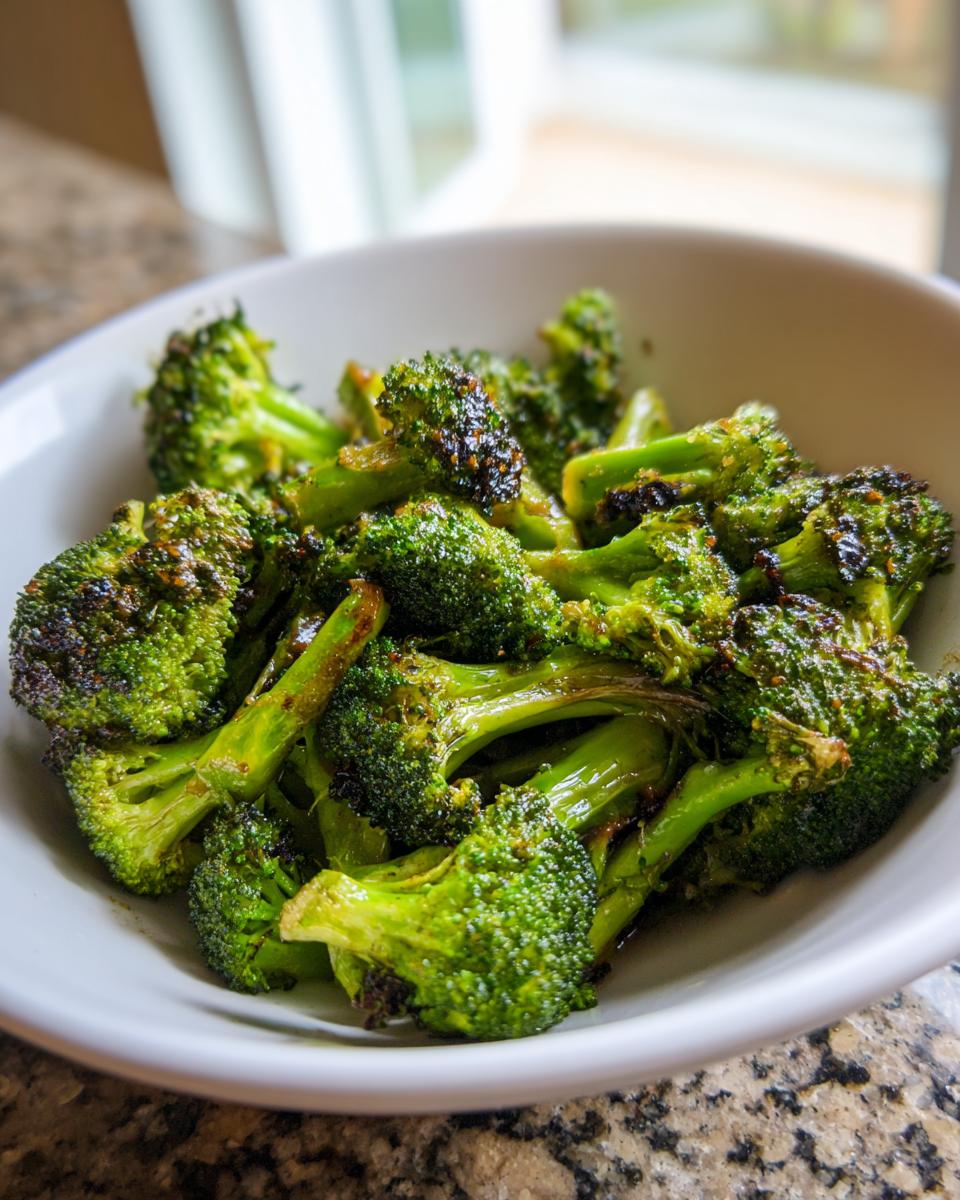
I’ve made roasted vegetables hundreds of times since my teaching days ended, and I can tell you right now that the difference between good and absolutely fantastic roasted broccoli usually comes down to just a couple of small habits. Remember, we are aiming for that perfect crispiness, not limp, sad-looking broccoli that seems to sigh when you try to pick it up!
The recipe outline tells you 400 degrees, and I want you to trust that number! High heat is your absolute best friend for roasting. If you try to do this at, say, 350 degrees, you end up baking the broccoli slowly, and that’s when it gets mushy. That high temperature sears the outside just enough to develop those deep, nutty roast flavors while locking in the internal moisture. You want to aim for immediate heat transfer.
And please, listen to this next one: Do not overcrowd your sheet pan for the roasted broccoli vinegar mustard glaze! This is the most common mistake folks make with any sheet pan roasted vegetables. If you pile the florets on top of each other, the moisture they release has nowhere to go but back onto the vegetable, right? Suddenly, instead of a beautiful sear, you have steam. When I teach this, I always say, “Bake in batches if you have to, but give that broccoli breathing room!” If the pan looks packed, grab a second sheet pan. It’s worth the extra dish to wash for the incredible texture you’ll get.
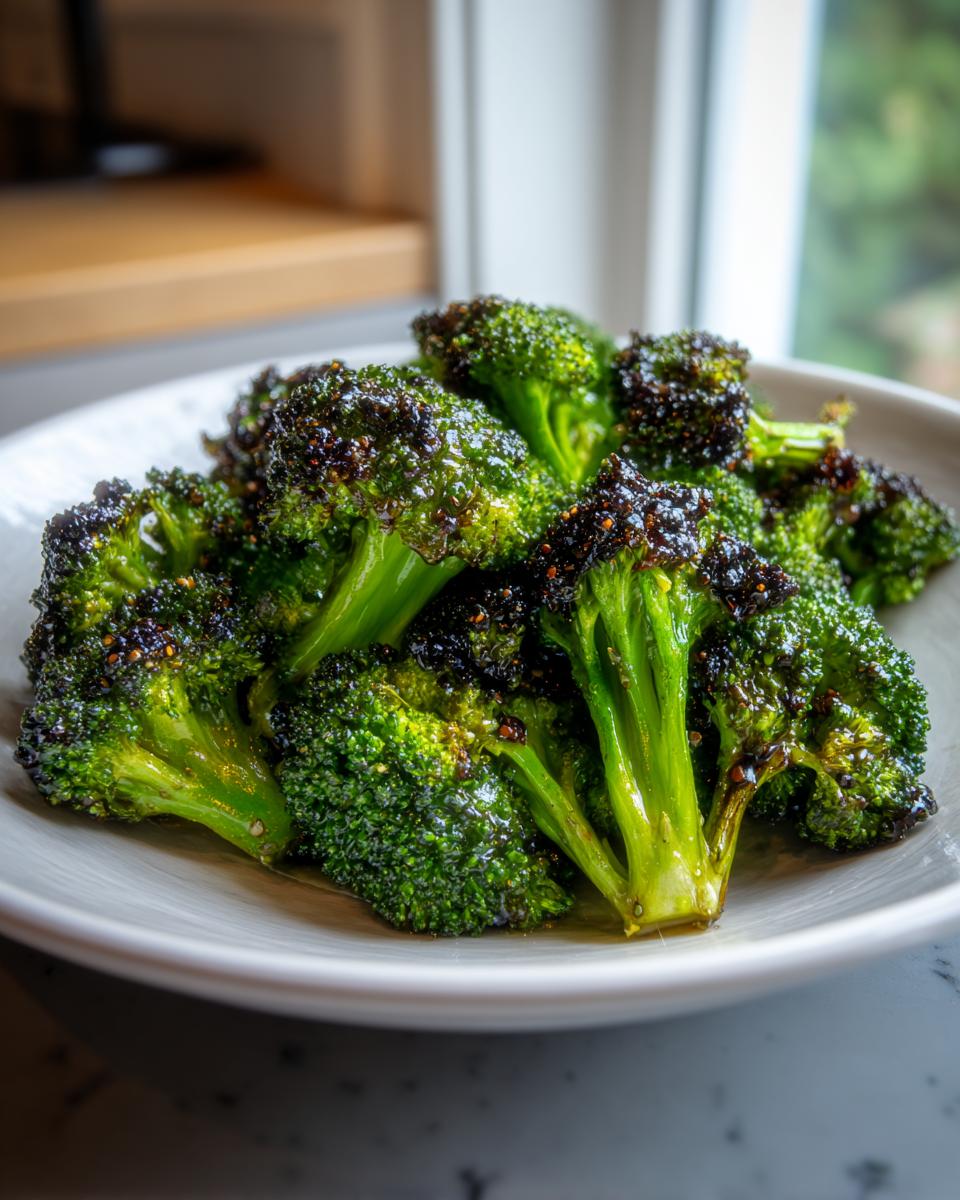
Finally, when you add the glaze halfway through, toss it quickly and get it back into that hot oven. We want that glaze to set and caramelize around the sugars and acids before the oven time is up. If you let it sit on the counter too long, it cools down, and it won’t adhere as well during the final few minutes of roasting. This little attention to timing is what solidifies this as one of the best roasted broccoli flavor combinations out there!
Serving Suggestions for This Tangy Roasted Broccoli Side Dish
A bright, punchy vegetable side dish like this one needs a main companion that can stand up to its big flavor without fighting it! You know I love a simple vegetable that can handle any main dish you throw at it. Because this tangy roasted broccoli side dish has that acidic tang from the vinegar and the richness of the olive oil, it really shines next to milder proteins.
For a wonderful weeknight meal, I often pair this right alongside simple baked chicken breasts or pan-seared fish like cod or tilapia. The acidity in the glaze cuts beautifully through the richness of the meat or fish, cleansing the palate nicely with every bite. It keeps the dinner feeling light and fresh, which is perfect, especially when the weather starts warming up.
If you’re planning a Sunday dinner or a more involved meal, try serving this alongside roasted pork loin or even simple grilled steak. The slight char on the broccoli pairs perfectly with the deep savoriness of the grilled meat. You’ll find that this recipe easily replaces heavier, cream-based sides, keeping your plate colorful and vibrant. If you’re looking for more ideas on how to keep your vegetable sides fresh and vibrant, feel free to browse my collection of other healthy vegetable side recipes!
Honestly, you can even toss some of this roasted broccoli into a grain bowl with some quinoa and chickpeas for an easy, nutrient-packed lunch the next day. It holds up really well!
Storage and Reheating Instructions for Glazed Roasted Vegetables
Even though this roasted broccoli disappears lightning fast around here, sometimes you end up with a little bit leftover, and that’s okay! We want to make sure you keep it tasting as good as possible for the next day. The main thing to remember with any vegetable that has a glaze, especially one with vinegar, is that the texture will naturally change once it cools down and sits in the fridge.
Store any remaining broccoli in a clean, airtight container. Don’t worry about it; it’s still perfectly fine to eat! Just know that overnight, the sauce will continue to soak into the florets, so they won’t be quite as crisp as they were when they first came out of the oven. That beautiful char you worked so hard for might soften up a bit, but the flavor? That tangy goodness stays put!
When you’re ready to enjoy your leftovers, I strongly recommend reheating them on the stovetop rather than the microwave. Pop the broccoli into a skillet over medium heat for just a few minutes. Give it a quick stir. If they seem a little dry, you can add just a tiny splash of water or even a few drops of fresh apple cider vinegar to bring back some of that zingy moisture. Avoid the microwave if you can, because it really speeds up the steaming process and makes them limp faster. A quick skillet warming keeps them warm and delicious!
Frequently Asked Questions About Roasted Broccoli Vinegar Mustard Glaze
I always get so many wonderful questions after a recipe posts online! That just tells me you all are excited to bring my home-style cooking into your own kitchens, and I just love that. Here are a few common things folks ask me when making this particular side dish.
Can I use a different vinegar in the roasted broccoli vinegar mustard glaze?
You absolutely can change up the vinegar, but it will adjust your flavor profile a bit! The apple cider vinegar gives a mellow, slightly sweet tang that I love. If you want something sharper and more aggressive for your mustard glazed side recipes, try swapping it out for white wine vinegar instead. It’s less sweet, so you might decide you need an extra half-teaspoon of honey just to keep that lovely balance we talked about earlier. Just taste as you go—that’s the secret to everything!
Is this an easy vinegar mustard broccoli recipe for beginners?
Oh, yes, sweetie, it is! This is exactly the kind of dish I designed when I first started sharing recipes for my grandkids. It uses sheet pan roasting, which is almost impossible to mess up, and the glaze is literally a whisk-it-together situation. If you can follow simple steps and use your oven, you will master this easily. It proves our philosophy here at Cooking by Carla: good food doesn’t need to be complicated to be wonderful. This quick vegetable roast idea is perfect for learning the high-heat roasting technique.
As for using a different kind of vinegar for a vinegar dressing roasted broccoli finish, you can, but remember that the cider vinegar really pairs perfectly with the Dijon. Just give it a try as written first, and then you can start experimenting with other vinegars next time!
Can I roast this broccoli without the honey?
While you certainly *can* skip the honey, I wouldn’t recommend it for the very first time you try this delicious roasted broccoli vinegar mustard glaze. That little bit of sweetness is working hard to balance the sharpness of the mustard and the high acidity of the vinegar. If you leave it out, the finished side dish will taste quite sharp and maybe even a little sour. If you absolutely cannot use any sugar but need that balance, you could try a tiny bit of grated lemon zest instead, but honestly, just one teaspoon of honey is hardly anything!
What other vegetables work well with this glaze?
That’s such a great question! Since the glaze is so robust, it clings beautifully to sturdier vegetables. I’ve had wonderful results using this exact glaze recipe on Brussels sprouts—just add an extra 5 minutes onto the final roast time—and it’s even fantastic tossed with cauliflower florets. It’s a terrific base for any of your favorite roasted vegetable side dishes.
Nutritional Information for Roasted Broccoli Vinegar Mustard Glaze
Here is the nutritional breakdown for this wonderfully simple vegetable dish. Remember, these figures are estimates based on the ingredients list provided, and they can shift a bit depending on the size of your broccoli head or the exact brand of olive oil you use. Since this is a vegan recipe, it’s naturally cholesterol-free, which is always a nice bonus!
- Serving Size: 1 serving
- Calories: 95
- Fat: 6g
- Saturated Fat: 1g
- Carbohydrates: 9g
- Fiber: 3g
- Sugar: 5g
- Protein: 3g
It’s a great way to get some healthy greens in your meal without adding any heavy fats or creams. For more lighter options, don’t forget to look through my easy appetizer and snack ideas for other wholesome recipes!
Share Your Experience Making This Recipe
I truly hope this roasted broccoli vinegar mustard glaze becomes a staple on your dinner table just like it is on mine. When you give this recipe a try, please stop back by and let me know how it turned out! Did you use the white wine vinegar swap? Did your family love the tang? The best part of cooking is sharing the results, so hop down to the comments section below. You can also give the recipe a star rating right there. If you have any lingering questions or want to share a picture of your beautifully glazed roast, you can always reach out to me directly on my Contact page. Happy cooking, friends!
Nutritional Information for Roasted Broccoli Vinegar Mustard Glaze
Here is the nutritional breakdown for this wonderfully simple vegetable dish. Remember, these figures are estimates based on the ingredients list provided, and they can shift a bit depending on the size of your broccoli head or the exact brand of olive oil you use. Since this is a vegan recipe, it’s naturally cholesterol-free, which is always a nice bonus!
- Serving Size: 1 serving
- Calories: 95
- Fat: 6g
- Saturated Fat: 1g
- Carbohydrates: 9g
- Fiber: 3g
- Sugar: 5g
- Protein: 3g
It’s a great way to get some healthy greens in your meal without adding any heavy fats or creams. For more lighter options, don’t forget to look through my easy appetizer and snack ideas for other wholesome recipes!
Share Your Experience Making This Recipe
I truly hope this roasted broccoli vinegar mustard glaze becomes a staple on your dinner table just like it is on mine. When you give this recipe a try, please stop back by and let me know how it turned out! Did you use the white wine vinegar swap? Did your family love the tang? The best part of cooking is sharing the results, so hop down to the comments section below. You can also give the recipe a star rating right there. If you have any lingering questions or want to share a picture of your beautifully glazed roast, you can always reach out to me directly on my Contact page. Happy cooking, friends!
PrintRoasted Broccoli with Tangy Vinegar Mustard Glaze
A simple recipe for perfectly roasted broccoli coated in a bright, tangy glaze made with vinegar and mustard. This is a dependable, delicious vegetable side dish for your everyday table.
- Prep Time: 10 min
- Cook Time: 23 min
- Total Time: 33 min
- Yield: 4 servings 1x
- Category: Side Dish
- Method: Roasting
- Cuisine: American
- Diet: Vegan
Ingredients
- 1 large head broccoli, cut into florets
- 2 tablespoons olive oil
- 1/2 teaspoon salt
- 1/4 teaspoon black pepper
- 2 tablespoons apple cider vinegar
- 1 tablespoon Dijon mustard
- 1 teaspoon honey or maple syrup
- 1 clove garlic, minced
Instructions
- Preheat your oven to 400 degrees Fahrenheit. Line a sheet pan with parchment paper for easy cleanup.
- Place the broccoli florets on the prepared sheet pan. Drizzle with olive oil, then sprinkle with salt and pepper. Toss the broccoli directly on the pan until all pieces are lightly coated.
- Spread the broccoli into a single layer. Roast for 15 minutes.
- While the broccoli roasts, prepare the glaze. In a small bowl, whisk together the apple cider vinegar, Dijon mustard, honey or maple syrup, and minced garlic until smooth. This creates your tangy vegetable marinade.
- Remove the broccoli from the oven. Drizzle half of the vinegar mustard glaze over the hot broccoli and toss gently to coat.
- Return the broccoli to the oven and roast for another 5 to 8 minutes, or until the broccoli is crisp-tender and slightly charred at the edges.
- Remove from the oven and immediately drizzle with the remaining glaze. Serve warm as a healthy vegetable side recipe.
Notes
- For a sweeter glaze, increase the honey or maple syrup to 1 1/2 teaspoons.
- If you prefer a sharper tang, substitute white wine vinegar for the apple cider vinegar.
- Do not overcrowd the sheet pan; this helps the broccoli roast instead of steam, giving you that perfect texture.
Nutrition
- Serving Size: 1 serving
- Calories: 95
- Sugar: 5
- Sodium: 210
- Fat: 6
- Saturated Fat: 1
- Unsaturated Fat: 5
- Trans Fat: 0
- Carbohydrates: 9
- Fiber: 3
- Protein: 3
- Cholesterol: 0