

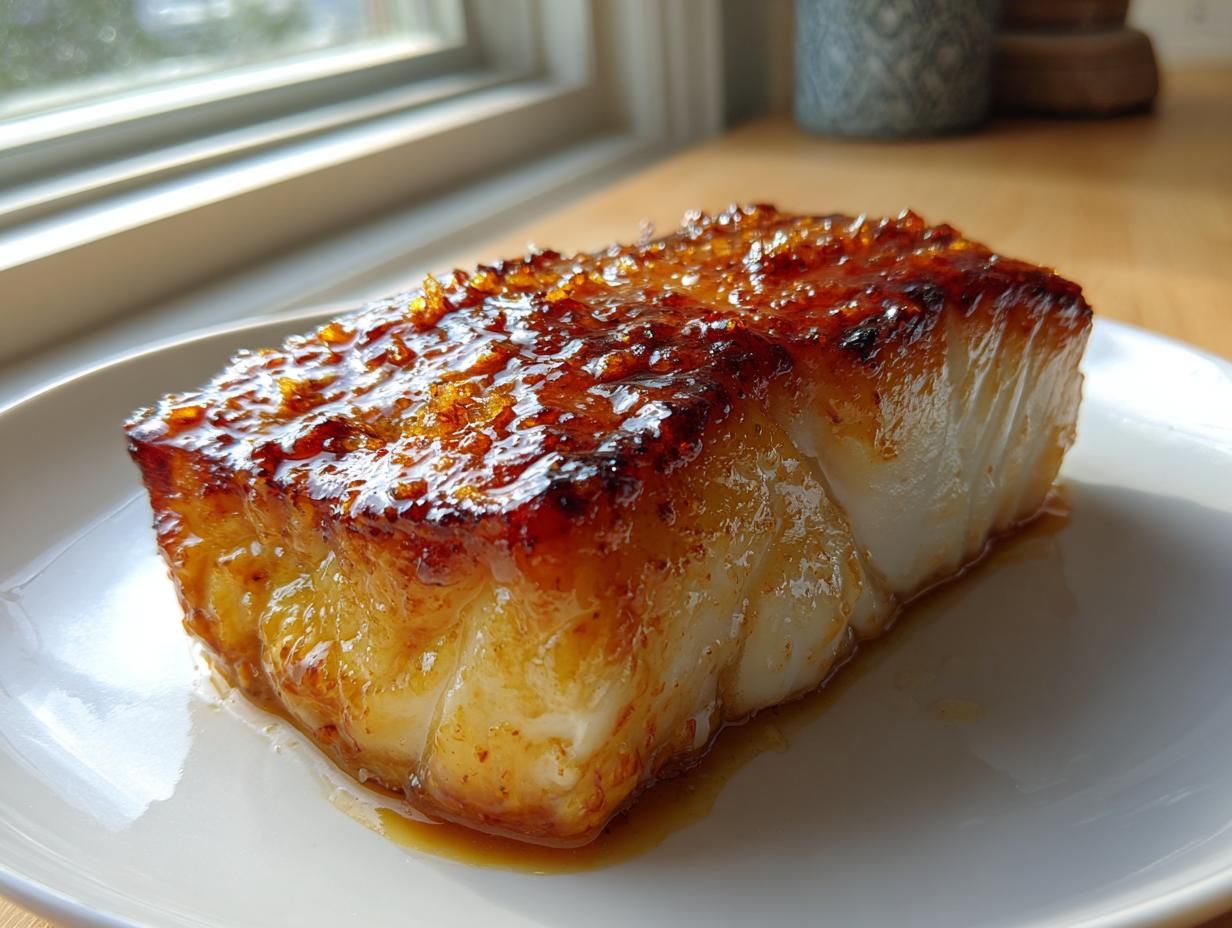
Oh, my friends, do I have a secret recipe for you today! You know how sometimes you go out for a celebrated dinner, and they serve you that perfectly caramelized, sweet, savory fish? Well, I’m going to let you in on how to make that incredible miso glazed chilean sea bass recipe right in your own kitchen. Don’t you think you need a fancy culinary degree to pull this off? Absolutely not! After years of teaching young children, I know how important it is to have clear, patient steps for even our most elegant dishes. We’re going to take this beautiful fish and give it that restaurant treatment, but with the comfort and reliability you expect from my kitchen. It’s easier than you think, trust me on this one!
- Why This miso glazed chilean sea bass recipe Works for Home Cooks
- Ingredients Needed for the Perfect miso glazed chilean sea bass recipe
- Step-by-Step Instructions for Your miso glazed chilean sea bass recipe
- Tips for Success with Your miso glazed chilean sea bass recipe
- Serving Suggestions for This Glazed White Fish Baking Instructions Meal
- Storage and Reheating Instructions for Leftover miso glazed chilean sea bass
- Frequently Asked Questions About the miso glazed chilean sea bass recipe
- Estimated Nutritional Data for the miso glazed chilean sea bass recipe
- Share Your Homemade Gourmet Homemade Fish Experience
Why This miso glazed chilean sea bass recipe Works for Home Cooks
Just because something tastes like it came from a five-star menu doesn’t mean it needs five hours of labor. That’s my favorite thing about this whole process! We get incredible results without the usual fuss. This is gourmet food made dependable for your weeknight rotation, which I know is important when the school bell rings!
Quick Prep for an Easy Asian Fish Dinner
Seriously, you will spend less than 15 minutes actively doing anything before the fish goes into the chill. Whisking the glaze together takes a minute, and coating those pretty fillets is quick work. It really shines as a Quick Seafood Weeknight Meal when you need something impressive fast.
Achieving Restaurant Style Seafood Results with This miso glazed chilean sea bass recipe
The beauty of the rich marinade packed into this miso glazed chilean sea bass recipe is that it does all the heavy lifting flavor-wise. We are using simple pantry staples to achieve that deep, complex, umami flavor profile you expect from a high-end spot. It’s the kind of dinner that makes everyone ask, “Where did you eat last night?”
Ingredients Needed for the Perfect miso glazed chilean sea bass recipe
Gathering your ingredients is half the fun, and for this recipe, we need a few key Japanese pantry staples to build that gorgeous, rich coating. Don’t worry if you haven’t used sake or mirin before; they are essential here, and you’ll find yourself reaching for them again and again, perhaps even in a lovely baked salmon dish next week!
Components of the Sweet Savory Fish Glaze
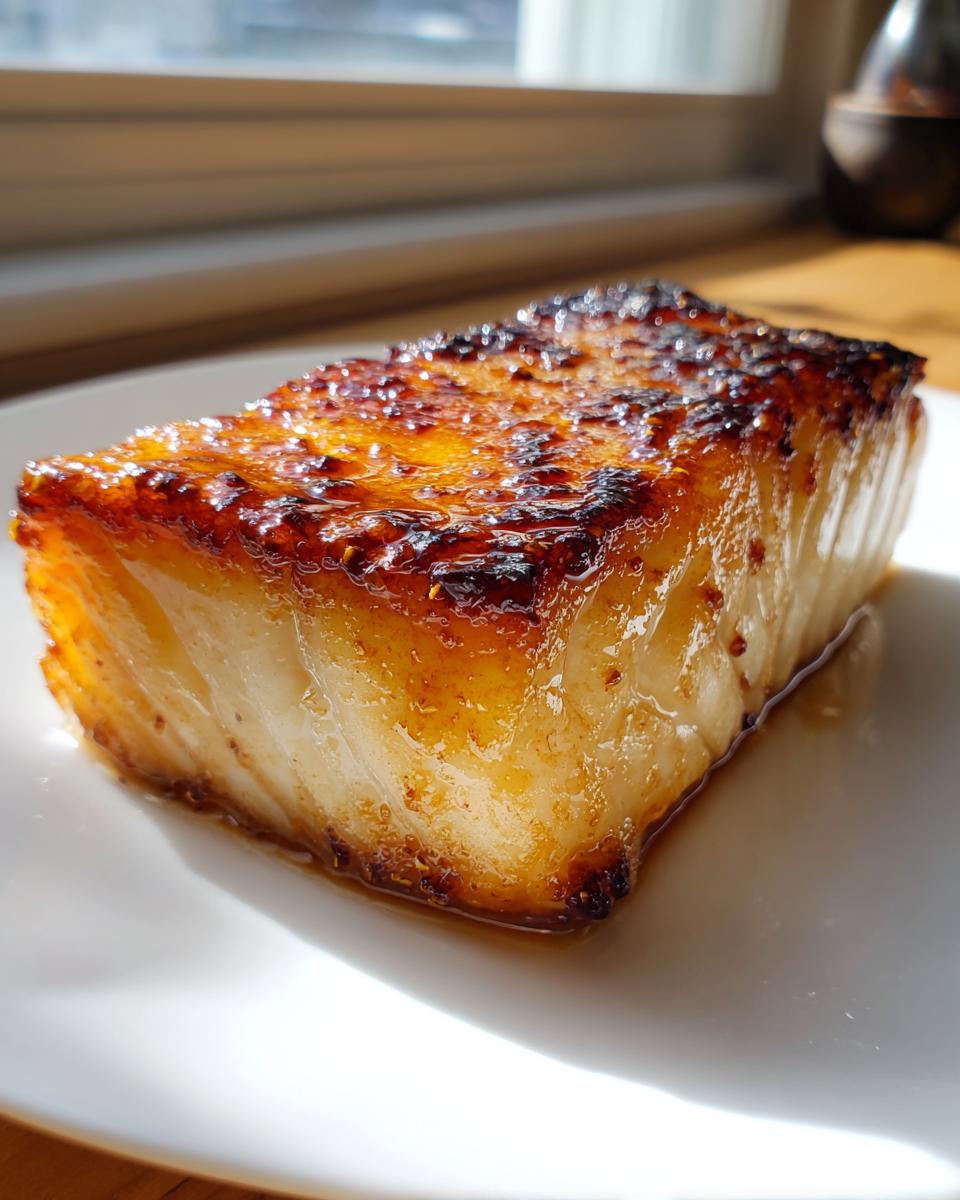
For the glaze itself, we are looking for balance. You need a half cup of white miso paste—it’s milder and sweeter than the dark kind after baking. Then whisk in 1/4 cup of mirin, which brings that essential sweetness and shine. Two tablespoons of sake helps thin it out nicely. We combine that with 2 tablespoons of sugar, 1 tablespoon of honey (because I just love that little extra depth), and a teaspoon of sesame oil for that delicate nutty aroma.
Sourcing Your Chilean Sea Bass for This miso glazed chilean sea bass recipe
Now, let’s talk bass! You’ll need four fillets, roughly 6 ounces each, and they should be about an inch thick so they can handle the marinade and the heat of the broiler. While this is the stellar miso glazed chilean sea bass recipe, if you’re having trouble finding it, don’t panic! My notes from the kitchen say that sablefish, also known as black cod, is a wonderful substitute. It has a similar rich, buttery texture that soaks up the marinade beautifully.
Step-by-Step Instructions for Your miso glazed chilean sea bass recipe
Now comes the fun part—turning those beautiful ingredients into something truly special! Because I was a teacher for so long, I really believe in taking things one clear step at a time. Rushing the marination or the cook time is where things go wrong, so let’s breathe and follow these directions exactly. You’ll have that wonderful, flaky fish in no time!
Creating the Mirin Marinade for Fish
First things first, we need that glaze to be perfect. Grab a small bowl—we aren’t making a huge batch, just what we need. Whisk together your miso paste, mirin, sake, sugar, honey, and that touch of sesame oil. You’ve got to keep whisking until it’s completely smooth. If it’s gritty, the glaze won’t melt evenly on the fish, and we want liquid silk here!
Marinating Sea Bass Ideas and Timing
Next, put your four fillets in a shallow dish. Pour about two-thirds of that rich glaze over them. Make sure both sides get a nice coat! Now, here’s where patience pays off: cover it and pop it in the fridge. It needs at least four hours, but honestly, overnight yields the best flavor profile for this miso glazed chilean sea bass recipe. Just remember sweet spot is less than 24 hours, because too long and the miso can start to break down the fish texture.
The Best Way to Cook Chilean Sea Bass: Broiling
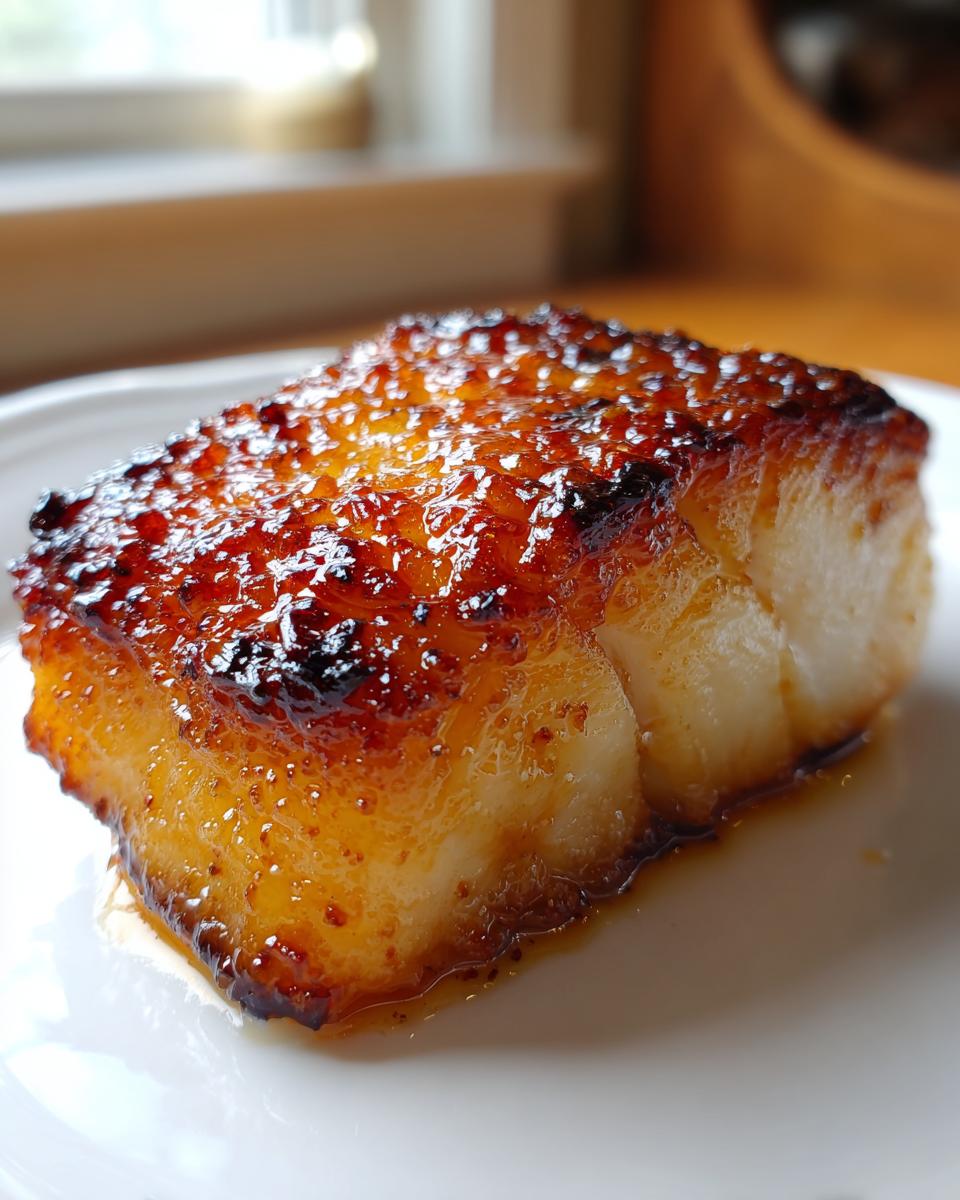
This is where we get that glorious top crust without drying out the fish! Adjust your upper oven rack to be about 6 inches away from the heat source, and preheat your broiler to high. Line a baking sheet with foil (your cleanup helper!) and set a wire rack right on top. When cooking, take the fish out and gently scrape off any really thick bits of marinade—excess glaze burns fast! Broil for 5 to 7 minutes, then brush with some of your reserved fresh glaze. Back under the heat for another 3 to 5 minutes until it’s opaque and beautifully caramelized. That target internal temperature is 145 degrees Fahrenheit for safe and perfect miso glazed chilean sea bass.
If you’re looking for other great ways to handle your fish, you might want to check out my easy honey garlic baked salmon recipe for something a little different!
Tips for Success with Your miso glazed chilean sea bass recipe
I’ve learned over the years teaching that the difference between a pretty good meal and a spectacular one often comes down to just one tiny detail. Since this dish relies so heavily on that thin layer of glaze caramelizing just right, we need to be smart about how we handle the heat during the broiling phase. Don’t worry if you’re nervous; I have a few tricks up my sleeve to make sure you nail this the first time around, just like you would with my easy garlic butter salmon recipe.
Troubleshooting Glaze Burning
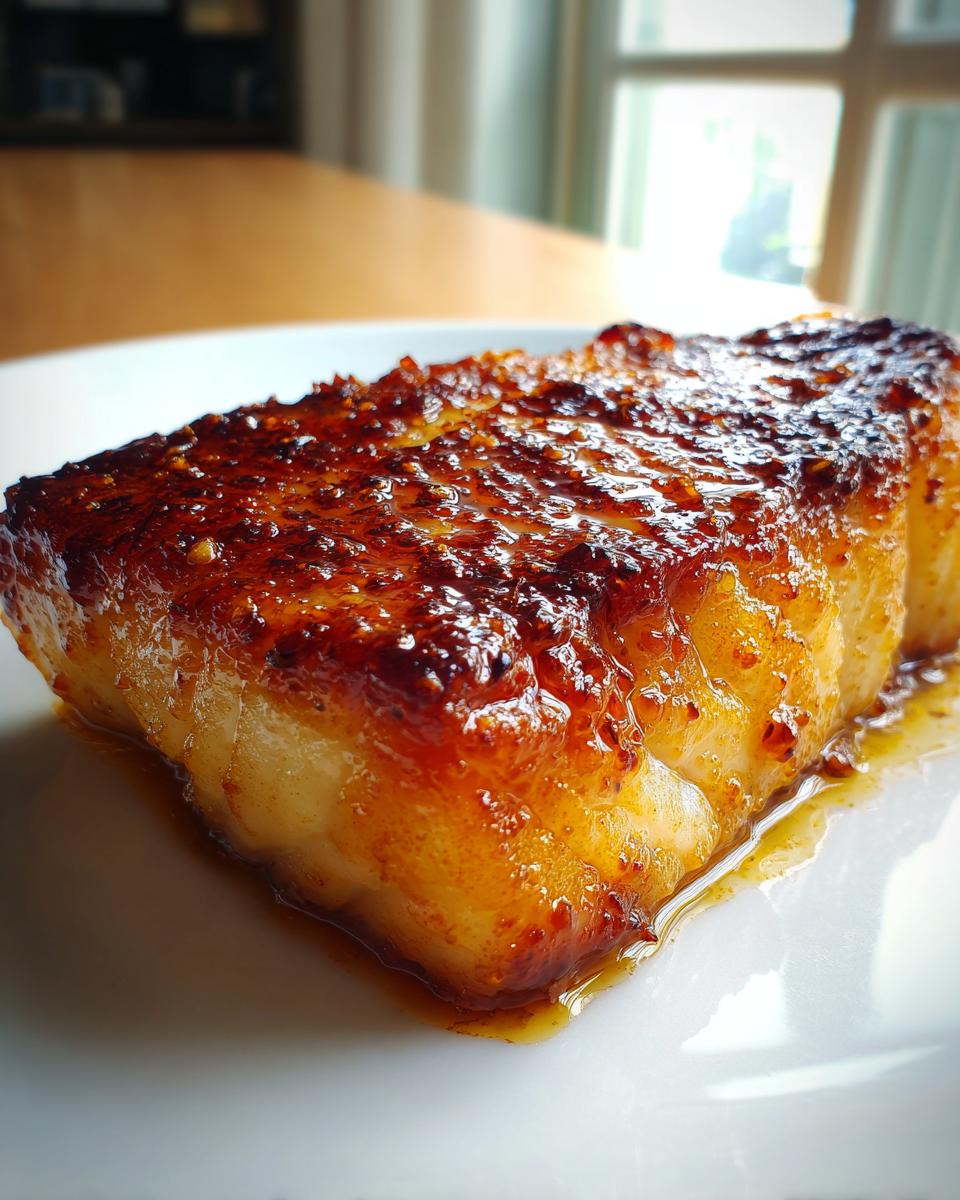
The single biggest issue people run into with this miso glazed chilean sea bass recipe is burning the sugars in the marinade. Miso, honey, and sugar love high heat, maybe a little too much! That’s why scraping off the excess marinade before it hits the rack—like we talked about in the instructions—is so crucial. The glaze that stays on is what cooks into that lovely glaze, but the runny stuff pools up and turns black before the fish even warms through.
If you see the edges start to look dark brown a little too fast—say, within the first four minutes—just pull the tray out an extra inch or two from the heat source. A little nudge is all it usually needs to keep that beautiful color coming along nicely.
Using the Oven Instead of the Broiler
Now, I love broiling because it’s fast and gives that intense top crust, but some folks just don’t like working under the broiler, and that’s perfectly alright! If you prefer the more gentle approach, you can bake this miso glazed chilean sea bass recipe. I suggest 400 degrees Fahrenheit. You’ll need to keep it in there for about 12 to 15 minutes, but here’s the key: halfway through cooking, pull the tray out and brush on that reserved glaze. This mimics the basting we do under the broiler and keeps the flavor locked in without scorching.
Remember, no matter the cooking method, the safety goal is the same: make sure that fish reaches 145 degrees Fahrenheit internally before you pull it out to rest!
Serving Suggestions for This Glazed White Fish Baking Instructions Meal
When you’ve created something as rich and flavorful as this glazed fish, the sides really matter! You don’t want anything too heavy that competes with that sweet, savory caramelization. When I make this miso glazed chilean sea bass, I always aim for balance—something simple and something green to cut through the richness.
The recipe already suggests the classics, and they are classics for a reason. Fluffy steamed white rice is absolutely necessary; it’s the perfect vehicle for soaking up any little bits of glaze that might drip onto your plate. And definitely get some green on there! Crisp, blanched green beans or tender asparagus spears work wonderfully.
If you’re looking for one more thing to round out the plate, especially if you want to lean into that light Asian inspired dinner feel, I always like making a very simple, quick side salad. Think thinly sliced Napa cabbage or cucumbers tossed with just a tiny splash of rice vinegar and sesame oil. It gives you that wonderful *crunch* that contrasts beautifully with the soft, flaky fish. You can find my favorite technique for getting perfect, tender-crisp greens over in my steamed broccoli post; just apply that same concept to asparagus for an easy side!
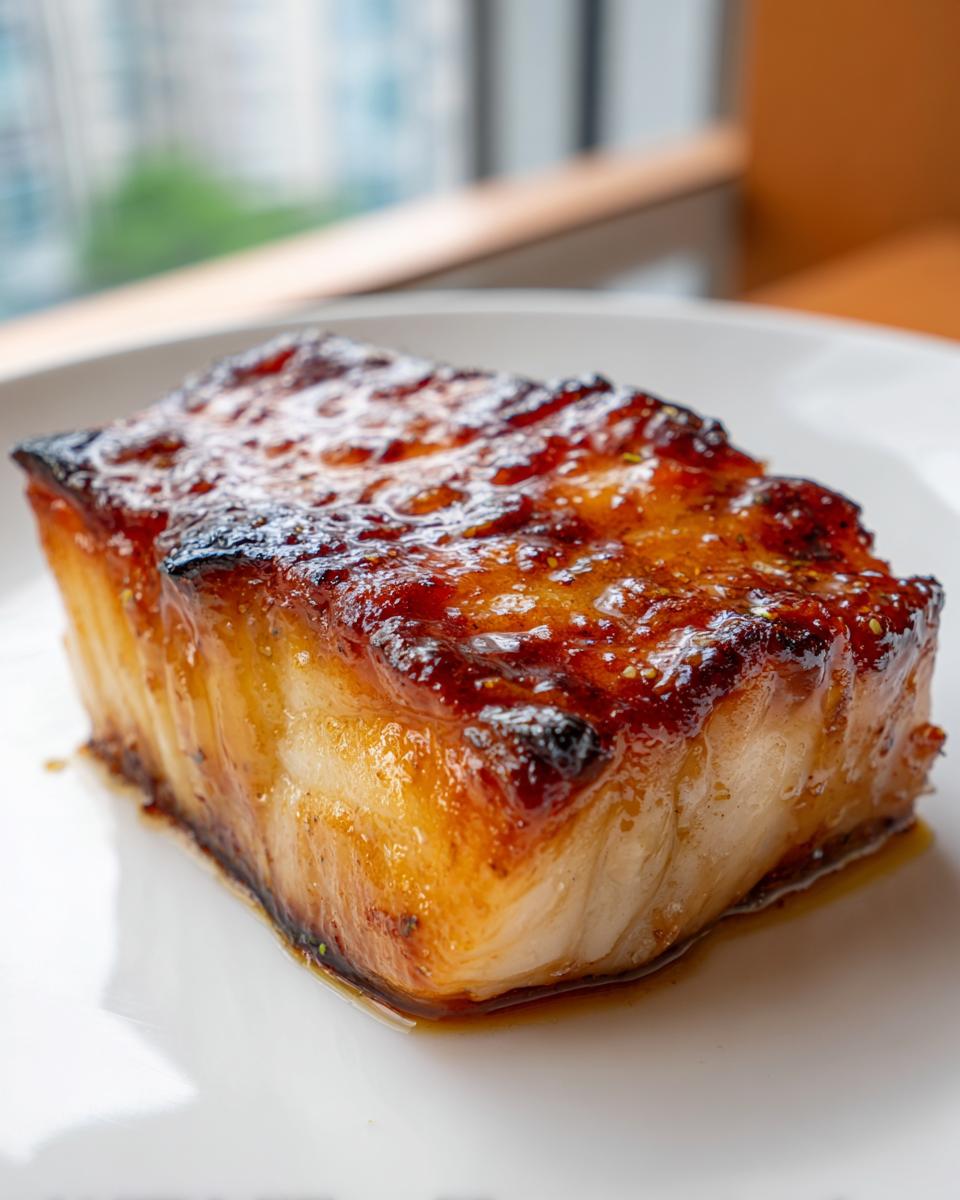
Storage and Reheating Instructions for Leftover miso glazed chilean sea bass
Oh, and what if you manage to have leftovers? That’s impressive because this dish usually disappears quickly! If you happen to have some of that heavenly fish left over, you need to treat it gently when storing and reheating, otherwise, you risk drying out that beautiful texture we worked so hard to achieve with the miso glazed chilean sea bass recipe.
First, cooling it down safely is key. Once the fish has cooled slightly after dinner, transfer any remaining fillets into an airtight container. Make sure you don’t leave it sitting out at room temperature for more than two hours, just like any other cooked protein. You should aim to enjoy these leftovers within two to three days for the best quality.
Now for reheating—this is where a lot of people go wrong with delicate white fish. Forget blasting it in the microwave on high! That will shock the poor fillets and make them tough. The best way to wake up your leftover miso glazed chilean sea bass recipe is very gentle heat.
I highly recommend using your oven set to a very low temperature, maybe 275 degrees Fahrenheit, or even just warming it slightly in a pan over the lowest flame possible. Before heating, place the fish (maybe even cover it loosely with a little bit of foil) and add just a teaspoon of water or broth to the bottom of the pan or container. That bit of steam will protect the fish and keep it moist while it warms through slowly. It won’t take long at all, maybe 8 to 10 minutes depending on the thickness of the piece. You just want it warm, not piping hot, to best enjoy the sweet savory fish glaze!
Frequently Asked Questions About the miso glazed chilean sea bass recipe
It’s funny how the simplest dishes can bring up the most questions! That’s okay; I remember being nervous the first time I tried a bit of Asian-inspired cooking at home. I hope I’ve explained everything clearly in the steps above, but here are a few things readers often ask me about making this wonderful dish. If you’re looking for more ways to use quick, healthy meals for lunch, you can always check out my quick and healthy lunch ideas!
Can I use Black Cod instead of Chilean Sea Bass in this miso glaze sauce?
Yes, absolutely! If you can believe it, this style of dish—the rich, buttery-fleshed fish with the sweet glaze—actually originated using black cod! So, if you can’t find the Chilean Sea Bass, please don’t stress. Sablefish works just as beautifully, taking on that gorgeous color and flavor from the miso glaze sauce. It’s honestly interchangeable in this preparation.
What is the best way to ensure my glaze doesn’t burn when broiling?
The secret here is twofold, really. First, when you take the fish out of the marinade before cooking, you need to gently scrape off the thickest coating—the part that is chunky. That excess marinade will burn instantly. Second, watch the fish like a hawk! Don’t walk away. We only want the top to caramelize, not turn into charcoal. If you see it darkening too fast, pull the rack back an inch or so, or switch to a lower heat setting in the oven if you are baking.
How long does the miso glaze need to marinate the fish?
The flavor really needs time to sink in for that rich experience. I recommend at least four hours for a good, solid flavor penetration. However, if you can plan ahead, overnight is my favorite time for the marinade to work its magic on the fish. Remember, though, don’t leave it longer than 24 hours, as the miso can start doing funny things to the delicate flesh after that long soak.
Estimated Nutritional Data for the miso glazed chilean sea bass recipe
I always like to give you a general idea of what you are eating when you bring one of my recipes to the table. Keep in mind that because Chilean Sea Bass can vary in fat content, and we all use slightly different amounts of honey versus sugar, these numbers are excellent estimates based on the standard breakdown for the miso glazed chilean sea bass recipe but might shift slightly in your own kitchen.
When we look at the statistics for one six-ounce fillet, which is a very satisfying portion, here is what we are generally seeing:
- Calories: Around 380 a serving
- Total Fat: About 18 grams (only about 3 grams of that is saturated fat, which is great for a fish this rich!)
- Protein: A hearty 34 grams to keep you feeling full.
- Carbohydrates: Roughly 20 grams, mostly coming from the sugars in the glaze.
- Sugar: About 18 grams per serving, so we know we are getting that sweet savory fish glaze flavor for sure!
I always try to keep my meals balanced, and this fish is wonderfully low in carbohydrates overall when you pair it with simple steamed rice. It’s a satisfying, gourmet meal that still keeps your dinner plans relatively light. Don’t forget that these figures don’t include any side dishes, like the asparagus we talked about earlier!
Share Your Homemade Gourmet Homemade Fish Experience
Well, now you have my heart on a plate! I truly hope you enjoy making this wonderful miso glazed chilean sea bass recipe as much as I do. I worked hard to lay out the steps clearly so you could bring that restaurant-quality seafood right to your own dining room table. Seeing your creations truly makes my day, and I love hearing which sides you paired with the fish!
If you made this dish and got that perfect, shimmering, deeply browned crust, please let me know how it turned out! Knowing that a recipe from my kitchen provided a great meal for your family means everything to me. Why not take a quick minute to hop over to the recipe card and leave a star rating?
And if you have a question, or just want to share a picture of your amazing Gourmet Homemade Fish success, please feel free to drop me a line! You can always get in touch with me directly through the Contact page. Happy cooking, everyone. I’ll see you with the next comfort classic!
PrintMiso Glazed Chilean Sea Bass Recipe
Make restaurant-style Miso Glazed Chilean Sea Bass at home with this straightforward recipe. The sweet and savory miso glaze perfectly complements the rich fish.
- Prep Time: 15 min
- Cook Time: 12 min
- Total Time: 12 hr 27 min
- Yield: 4 servings 1x
- Category: Dinner
- Method: Broiling
- Cuisine: Asian Inspired
- Diet: Low Fat
Ingredients
- 4 (6 ounce) Chilean Sea Bass fillets, about 1 inch thick
- 1/2 cup white miso paste
- 1/4 cup mirin
- 2 tablespoons sake
- 2 tablespoons granulated sugar
- 1 tablespoon honey
- 1 teaspoon sesame oil
Instructions
- Prepare the Miso Glaze: In a small bowl, whisk together the white miso paste, mirin, sake, sugar, honey, and sesame oil until completely smooth.
- Marinate the Fish: Place the Chilean Sea Bass fillets in a shallow dish. Pour about two-thirds of the miso glaze over the fish, ensuring both sides are coated. Reserve the remaining one-third of the glaze for basting later. Cover the dish and refrigerate for at least 4 hours, or preferably overnight. Do not marinate for more than 24 hours.
- Preheat Oven and Broiler: Adjust an oven rack to the upper-middle position, about 6 inches from the heat source. Preheat your broiler to high. Line a baking sheet with foil and place a wire rack on top of the foil.
- Cook the Fish: Remove the fish from the marinade, gently scraping off any excess glaze (the thick marinade will burn easily). Place the fillets skin-side down on the wire rack.
- Broil: Broil for 5 to 7 minutes. Watch carefully, as broilers vary. Brush the tops of the fish lightly with some of the reserved fresh glaze. Continue broiling for another 3 to 5 minutes, or until the fish is opaque throughout and the top has caramelized to a deep golden brown. The internal temperature should reach 145 degrees Fahrenheit.
- Rest and Serve: Carefully remove the fish from the oven. Let it rest for 2 minutes before serving. Serve immediately with steamed rice and blanched green beans or asparagus.
Notes
- If you cannot find Chilean Sea Bass, sablefish (black cod) is a common substitute for this style of preparation.
- For easier cleanup, spray the wire rack lightly with cooking spray before placing the fish on it.
- If you prefer baking over broiling, bake at 400 degrees Fahrenheit for 12 to 15 minutes, brushing with reserved glaze halfway through cooking.
Nutrition
- Serving Size: 1 fillet
- Calories: 380
- Sugar: 18
- Sodium: 850
- Fat: 18
- Saturated Fat: 3
- Unsaturated Fat: 15
- Trans Fat: 0
- Carbohydrates: 20
- Fiber: 1
- Protein: 34
- Cholesterol: 95