


Oh, there’s nothing quite like that moment when a truly comforting meal lands on the table, is there? For me, comfort often comes from exploring flavors beyond my usual Midwest cooking, and that’s why I absolutely adore sharing this recipe with you today. We’re diving headfirst into making fufu, that soft, essential dough that holds such an important place in West African cuisine. Too often, people think making authentic fufu is a huge, complicated chore involving hours of pounding, but that’s just not true anymore! Because I spent thirty years teaching, I promise I’ve made this method as straightforward as possible. Trust me, you can achieve that beautifully smooth, pliable dough perfect for your favorite soup in less than 20 minutes. This recipe is geared especially toward beginners who want incredible flavor without the fuss.
- What is Fufu? Understanding This Traditional African Staple
- Why This Easy Fufu Recipe Works for Beginners
- Gathering Ingredients for Your Fufu
- Step-by-Step Instructions: How to Make Fufu Dough
- Tips for Success When Making Homemade Fufu
- Fufu Serving Suggestions: Pairing with African Stews
- Storage and Reheating Instructions for Leftover Fufu
- Frequently Asked Questions About Fufu
- What to Do Next in Your Kitchen Adventures
What is Fufu? Understanding This Traditional African Staple
If you’ve never had fufu before, you are in for such a treat. Simply put, it’s a wonderful, dough-like staple often called a ‘swallow’ food, central to West African cuisine. Our main goal here is reaching that perfect texture—it has to be soft, smooth, and easily pliable so you can scoop up all that delicious stew. It’s truly a traditional African staple, and once you master it, you’ll see why.
Fufu: A Core Component of West African Cuisine
You’ll find variations of this dish throughout West Africa, making it important in Nigerian food staples and Ghanaian food recipes alike. Remember, this isn’t something you typically chew! You pinch off a small piece, make an indentation, and use it to scoop up your hearty soup or stew. It’s the perfect, warm vehicle for flavor. You can read more about exactly what it tastes like over here: What Does Fufu Taste Like?
Why This Easy Fufu Recipe Works for Beginners
I honestly believe that every home cook deserves a win when they try something new, especially when it comes to international dishes. That’s why I tailored this version to be the most user-friendly fufu recipe out there. Forget those all-day cooking marathons; this one is fast and reliable. You’ll spend more time getting your soup ready than making the dough!
- Ready in just 15 minutes, perfect for a quick dinner.
- Uses instant flour, which means zero traditional pounding needed!
- You get a professional-grade result even on your very first try.
Achieving Smooth Fufu Technique Quickly
The real trick that makes this an Easy Fufu recipe comes down to the flour we use. By opting for instant or pre-cooked cassava flour, we skip the messy, lengthy process of pounding starches. We are focusing entirely on the vigorous stirring needed to achieve that beautiful, lump-free, smooth Fufu dough. If you want the technique that cuts the time down dramatically, check out the tips folks use when aiming for that restaurant-quality result: Make Restaurant-Quality Fufu in 15 Minutes.
Gathering Ingredients for Your Fufu
Alright, let’s talk supplies. Because we are keeping this recipe lightning-fast and beginner-friendly, the ingredients list is gloriously short. Seriously, if you can read a label, you can make this fufu dough! When I taught fifth grade, I always told my students that you can’t build a good project without the right materials, and baking is no different. Accuracy here matters because we don’t have a lot of room for error.
For this perfect, creamy batch of fufu, here is exactly what you need:
- 2 cups Fufu flour (instant or pre-cooked cassava flour)
- 3 cups Water
Ingredient Notes and Gluten Free African Dishes Consideration
I want to emphasize the flour choice. We are using instant or pre-cooked cassava flour here. This is our shortcut! Traditional methods use dried, pounded tubers, but using the instant version ensures the dough comes together beautifully in minutes, which is a huge win for weeknight cooking. Also, I know many of you look for specific dietary needs, and I love that this recipe naturally fits the bill. Because it’s based on cassava, this is automatically one of those fantastic Gluten free African dishes you can serve confidently when hosting friends with sensitivities!
Step-by-Step Instructions: How to Make Fufu Dough
Now for the fun part! This is where the magic happens, and I promise, if you follow along patiently—just like we learned in school—you’ll have gorgeous fufu dough ready in a flash. Remember, the key to avoiding lumps, which is the enemy of any smooth Fufu technique, is paying attention to the heat. We aren’t baking here; we are *cooking* a thick paste, so temperature control is everything.
First things first: get your water measured out into a saucepan and set it to boil over medium-high heat. Once that water is rolling nicely, you need to drop the heat right down to low. We want a gentle simmer, not a violent boil, after this next step. Now, take your 2 cups of Fufu flour and start sprinkling it into the hot water. Don’t dump it all in! I mean it—sprinkle it slowly while you stir constantly and vigorously with a sturdy wooden spoon. You have to keep that spoon moving until the whole mixture thickens up into a smooth, uniform mass. This is the moment that separates the good from the truly great.
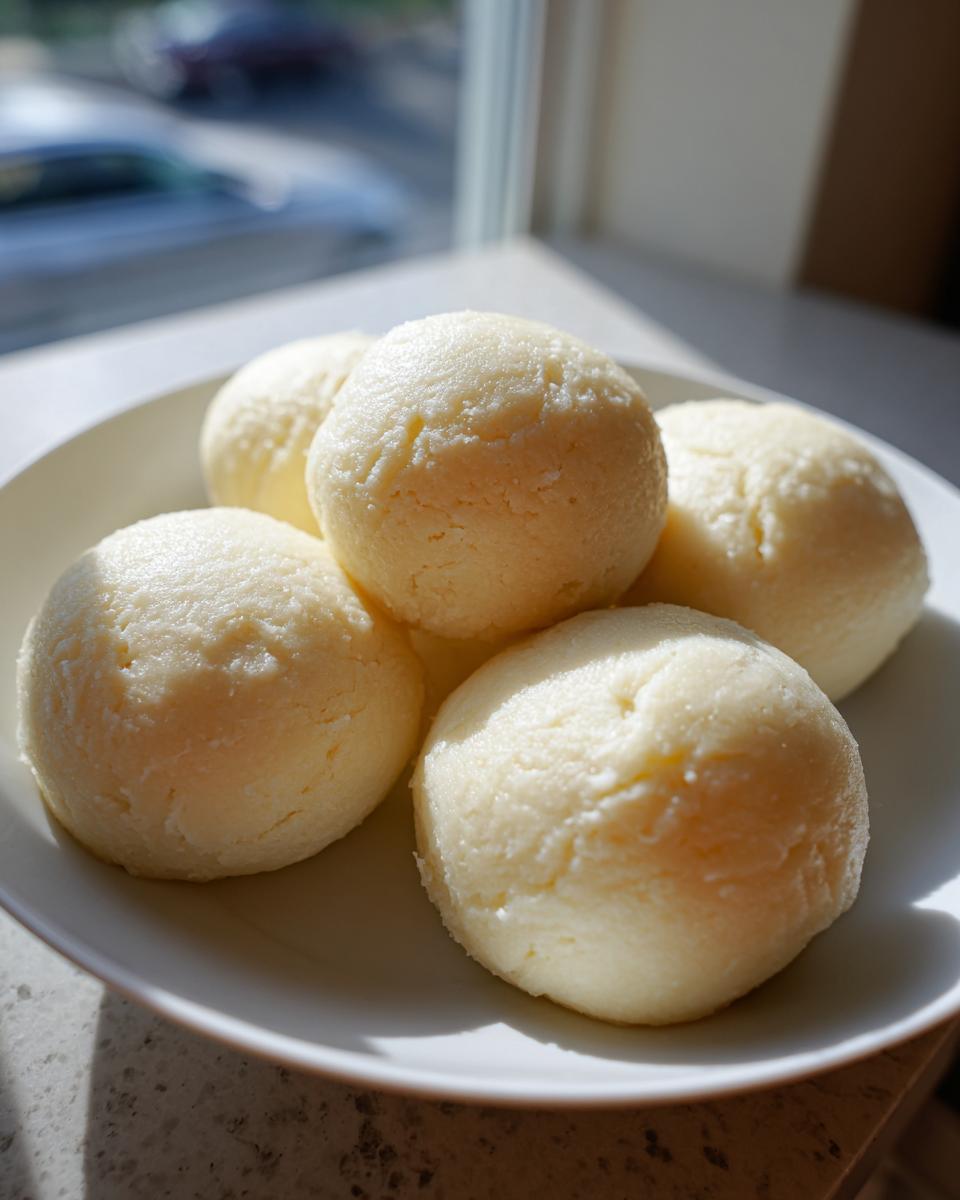
The Crucial Stirring Phase for Perfect Fufu
Seriously, lean into this stirring phase! You need to keep stirring vigorously once that flour hits the water. That constant motion forces the starches to hydrate evenly, which locks in that silky texture we are aiming for. Keep working it until there are absolutely no dry pockets or lumps left behind. If it feels too stiff—and it might stiffen up fast!—just add hot water one tablespoon at a time while you keep stirring like you mean it. Then, cover the pot and let that fufu dough steam on super low heat for just two minutes. This little rest makes it perfect.
Shaping Your Fufu Balls
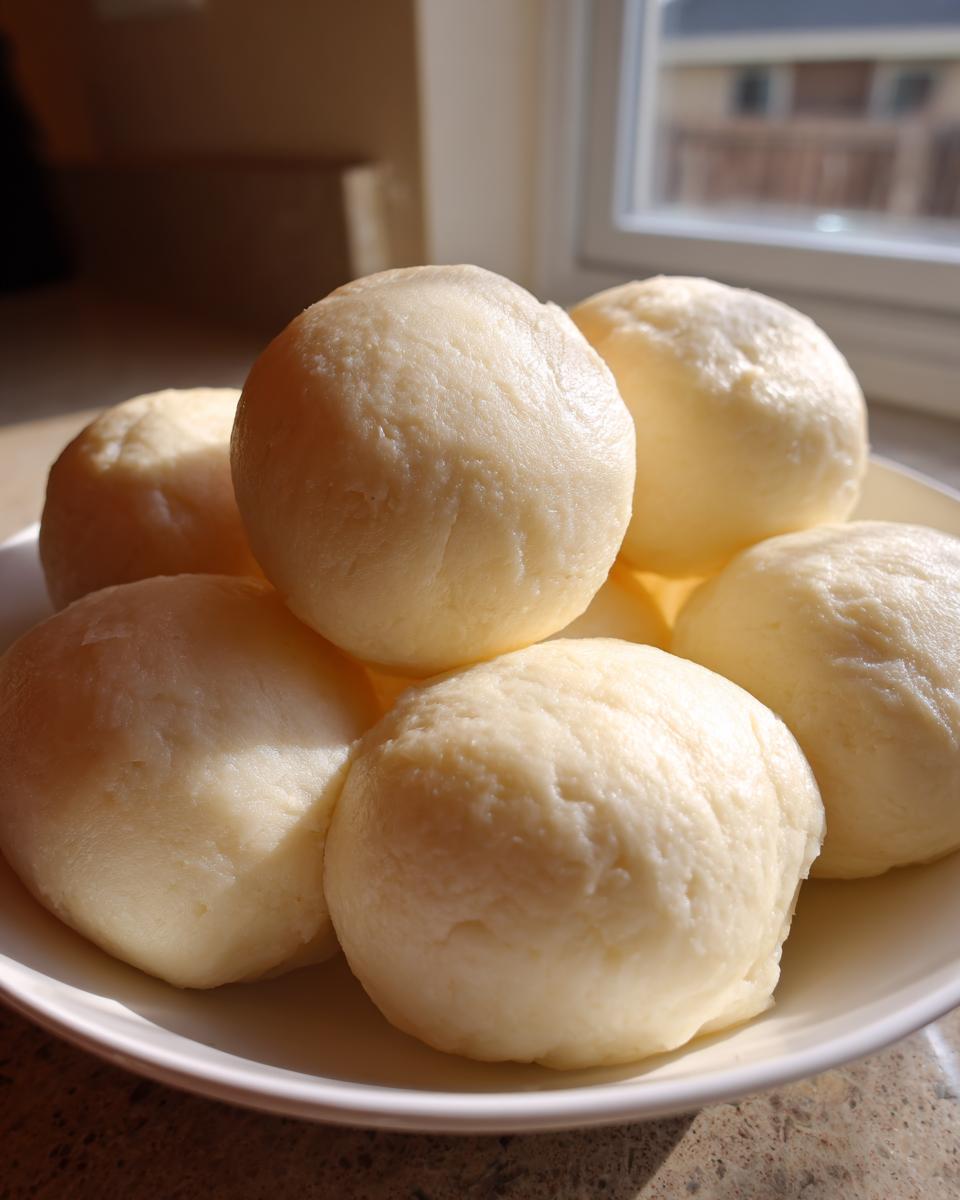
Once it’s steamed, scoop the dough out onto a clean plate. Here’s my biggest tip for making them look professional: always wet your hands or the back of your serving spoon before you try to shape them. If you don’t, the dough will stick everywhere! You just want to use your wet hands to smoothly roll the dough into small, neat balls. They should be nice and tight so they hold their shape when you serve them alongside your favorite rich sauce. You might want to check out how Chef Lola handles her shaping technique for inspiration: How to Make Fufu.
Tips for Success When Making Homemade Fufu
I want to make sure your first batch of fufu is absolutely your best batch! Since we used the quick method, you don’t have to worry about all that heavy pounding, but there are still a few little secrets I learned over the years that guarantee success. Think of these as your cheat sheet for the smoothest result possible, even if you’ve never tackled this West African cooking before. Keep these pointers handy when you’re stirring!
- Stay Low and Slow After Flour Hits Water: Seriously, this is crucial. Once you sprinkle the flour in, immediately reduce the heat to the lowest setting. If the water is too hot, the outside of the fufu will solidify before the inside is cooked, leaving you with tough lumps instead of soft dough.
- Keep That Spoon Moving: I can’t stress this enough—stirring constantly and vigorously is non-negotiable during the thickening phase. If you stop even for ten seconds, you risk creating dense pockets that will never smooth out.
- Adjusting Consistency is Easy: Don’t panic if the dough looks too dry or too stiff right away. That’s why we keep a little splash of hot water nearby! Add it just a tablespoon at a time and work it in until the dough pulls away cleanly from the sides of the pot.
- Water for Shaping is Your Friend: When you roll those final balls, always dip your hands or spoon into a small bowl of cool water first. This simple step makes the dough feel like silk and stops it from sticking to you, giving you beautiful, clean serving pieces.
Fufu Serving Suggestions: Pairing with African Stews
Making perfect fufu is only half the fun, isn’t it? Because fufu itself has a very mild, almost neutral flavor, its true purpose is to be the perfect foundation for richly flavored, savory sauces. This is where you get to experience the deep, wonderful world of African food recipes!
We need robust dishes to stand up to the soft texture of the dough. If you’re looking for the classics, you absolutely must pair this with Egusi Soup—it’s unbelievably good. The way the fufu absorbs that rich, nutty broth? Pure heaven. Another incredible partner is Light Soup, which brings a lovely, lighter broth element to the meal. I highly recommend looking up a recipe for one of these to serve alongside your freshly made staple.
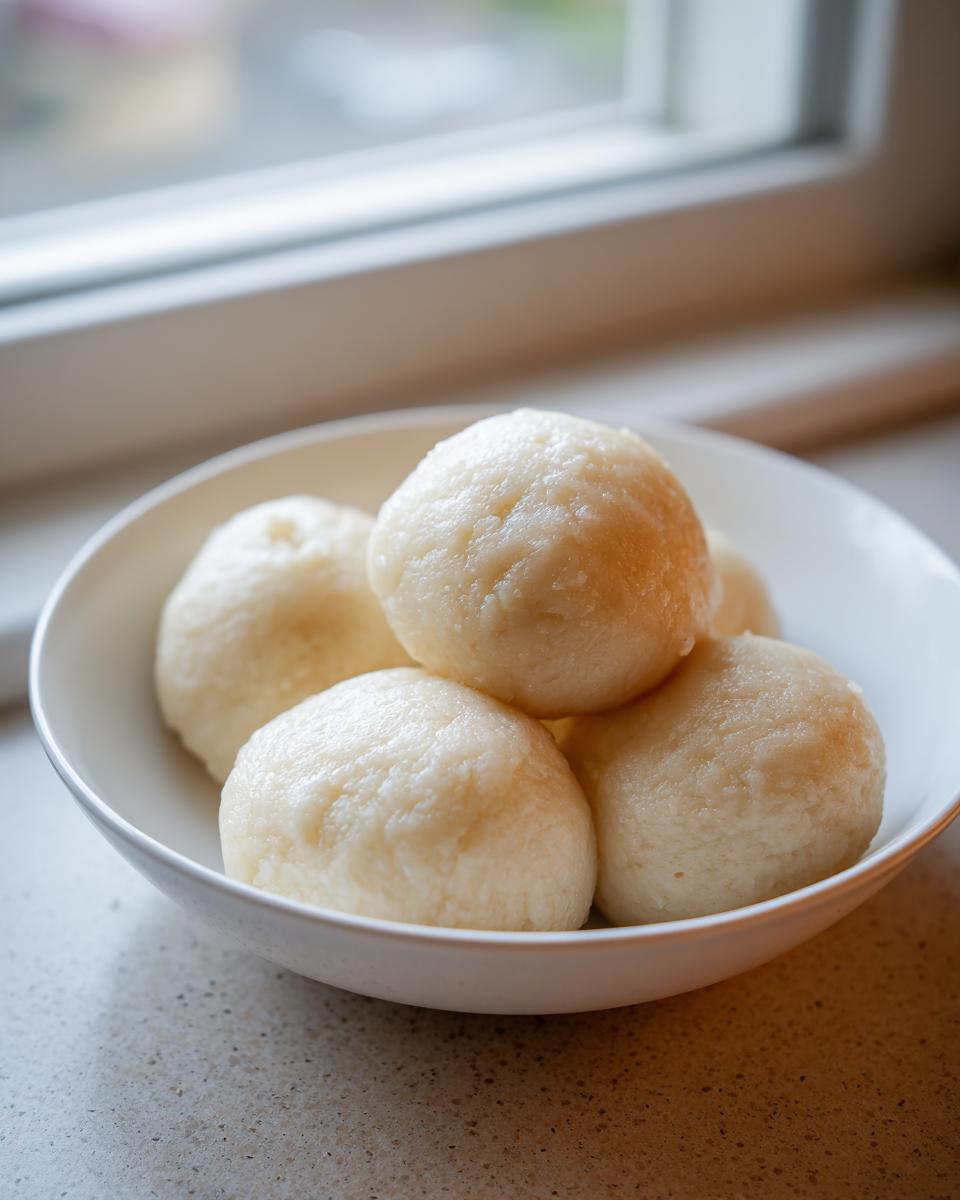
If you want a deep dive into pairing them up beautifully, especially with Egusi, take a look at this masterclass: Egusi and Fufu: Bold Global Flavors for Dinner.
Best Side for African Stew
Honestly, fufu is perhaps the best side for African stew you could ever choose. It travels right into the realm of ‘swallow African food’ because it’s designed to be the vehicle that carries those amazing spices and meats from the bowl to your mouth. Whether your stew is spicy, savory, or earthy, the pliability of this dough lets you scoop up every last, delicious drop.
For a great example of pairing it with soup, check out this classic pairing recipe for Fufu & Light Soup. It shows exactly how this staple shines!
Storage and Reheating Instructions for Leftover Fufu
Now, let’s talk about the leftovers, because sometimes we make too much, or maybe you just want to enjoy this comfort food another day mid-week! While fresh is always best when it comes to this dough, you absolutely can store leftovers, but you need to be careful not to let it dry out. We want to keep that lovely, soft texture we worked so hard to achieve yesterday.
The best way to store any extra dough is to place it in an airtight container immediately after cooling slightly. You can keep it in the refrigerator for up to three days. When you remove it, it will feel quite firm—don’t worry, that’s normal! Cold causes the starches to tighten up.
Bringing Back the Pliability
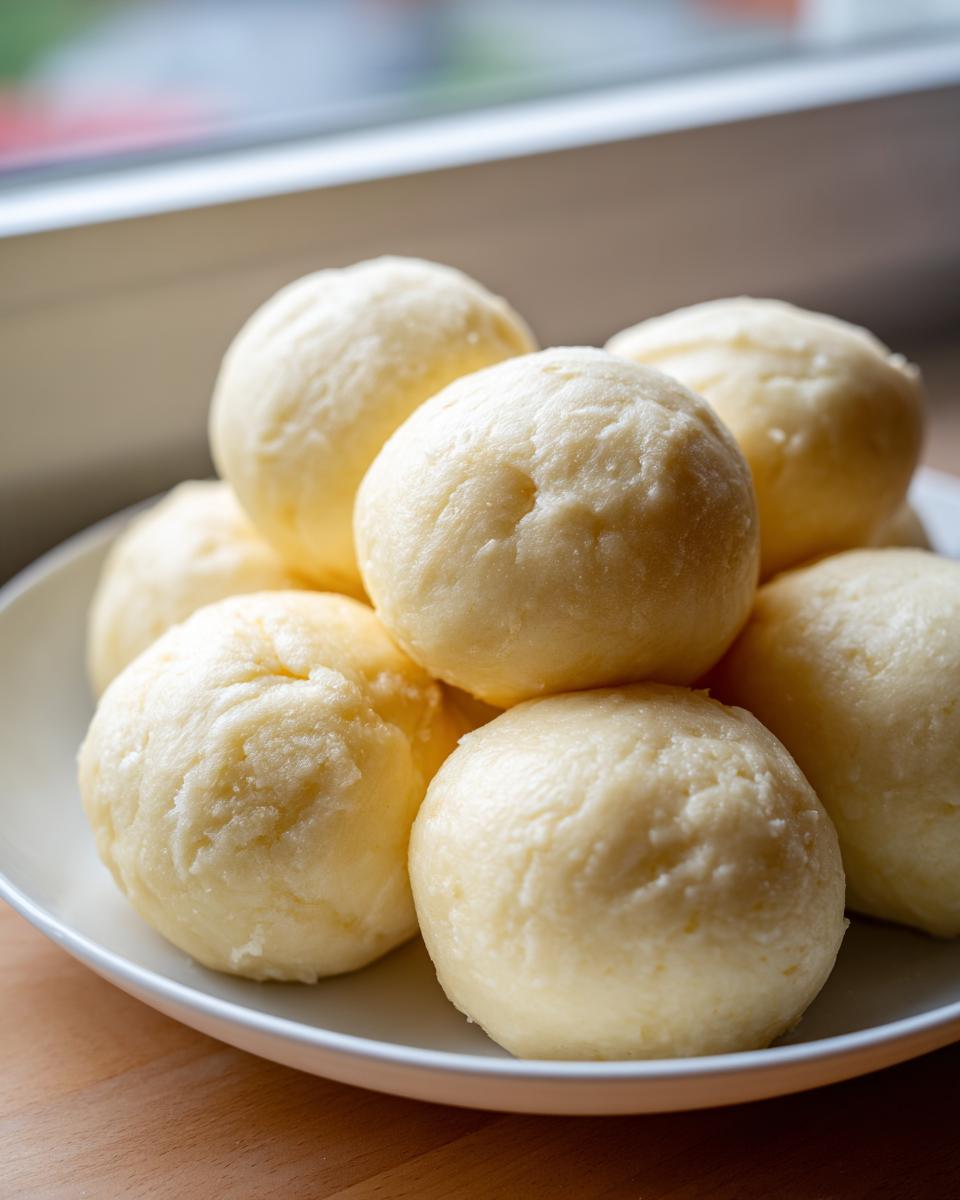
Reheating is where you need to be gentle. You can’t just microwave it plain, or it will turn hard as a rock in spots. The secret to bringing back that original, soft pliability is moisture. Take the amount you want to eat and place it in a microwave-safe bowl. Add just a tiny splash—maybe a teaspoon—of water over the top of the dough.
Cover the bowl securely with a damp paper towel or a tightly sealed lid, and microwave it in short bursts, maybe 20 or 30 seconds at a time. After each short burst, take it out and check the texture. If it’s still stiff, stir it a bit, add another tiny dash of water if needed, and microwave again. Keep working it gently until it softens up. It should feel smooth and ready to scoop your soup again!
Frequently Asked Questions About Fufu
I get so many wonderful questions from you all once you start tinkering in the kitchen! That tells me you really care about getting this Traditional African staple right, and I love that enthusiasm. Since we’ve covered the steps for making quick fufu, let’s clear up some of the common things folks ask me about, especially those looking for the absolute best Fufu Recipe for Beginners.
Can I use different flours besides cassava for this Fufu recipe?
That is a great question about ingredient substitutions! While this particular recipe is designed around instant cassava flour because it gives us that quick, smooth Fufu dough consistency we need for an easy weeknight dinner, absolutely, you can use other starches. Many people in Ghana, for instance, use yam flour or even plantain flour to achieve their swallow! If you switch flours, you might need to adjust your water ratio slightly. Cassava is generally very forgiving, but if you use plantain or yam, you might need a tiny bit more water because they absorb liquid differently. Just watch the consistency!
What does Fufu taste like?
If you are new to this world of African food recipes, you might be wondering what all the fuss is about when the dough itself is so plain-looking! The truth is, the taste of the fufu itself is very, very subtle. It’s mostly starchy, slightly earthy, and very neutral. Think about it like a soft, warm bread used specifically to carry flavor. The whole point of that smooth Fufu technique is to create a perfect, non-competing texture that can soak up every bit of your rich, spicy soup. You aren’t eating the dough for flavor; you are eating it for the experience of carrying the soup!
If you want a deeper exploration of the different types and flavors, I saw a really helpful breakdown over at We Eat At Last that discusses the nuances between the different root vegetables used.
What to Do Next in Your Kitchen Adventures
Well, my dear cooks, we did it! You’ve successfully navigated the simple steps, and I sincerely hope you are sitting down right now with a piping hot bowl of your favorite African stew ready to enjoy with your homemade fufu dough. That smooth, soft texture is a real accomplishment, and I’d be simply tickled pink if you took a moment to tell me how it went!
Did you find the stirring technique as easy as I promised? Which soup did you decide to pair it with? Was it Egusi? Light Soup? Drop a comment below and let me know your favorite combination. Your feedback helps me feel like I’m right there in the kitchen with you!
If you are looking for more wonderfully straightforward, comforting meals that bring people together—because that’s what good food is all about—come check out some of my other easy weeknight ideas too: Simple Weeknight Dinners. Happy cooking, and please come back and leave a rating on this recipe soon!
PrintEasy & Authentic West African Fufu Recipe for Beginners

Learn how to make smooth, pliable Fufu dough at home using this simple, beginner-friendly recipe. This traditional West African staple is the perfect vehicle for your favorite soups and stews.
- Prep Time: 5 min
- Cook Time: 10 min
- Total Time: 15 min
- Yield: 4 servings 1x
- Category: Side Dish
- Method: Stovetop Cooking
- Cuisine: West African
- Diet: Gluten Free
Ingredients
- 2 cups Fufu flour (instant or pre-cooked cassava flour)
- 3 cups Water
Instructions
- Measure the water into a medium saucepan and bring it to a boil over medium-high heat.
- Once the water is boiling, reduce the heat to low.
- Slowly sprinkle the Fufu flour into the hot water while stirring constantly with a wooden spoon or spatula. Do this gradually to prevent lumps from forming.
- Continue stirring vigorously until the mixture thickens into a smooth, uniform dough. This process usually takes about 5 to 8 minutes.
- If the dough seems too stiff, add a tablespoon of hot water at a time and continue stirring until you reach a soft, pliable consistency.
- Remove the dough from the heat. Cover the pot and let it steam on very low heat for 2 minutes.
- Remove the Fufu from the pot and place it on a clean plate or wrap it in plastic wrap. Use a smooth, wet spoon or your hands (dipped in water) to shape the Fufu into smooth balls.
- Serve immediately with your preferred African stew or soup, such as Egusi Soup or Light Soup.
Notes
- To achieve a restaurant-quality smooth Fufu, stir constantly and ensure the heat remains low once the flour is added.
- Always wet your hands or spoon when shaping the Fufu balls to prevent sticking.
- This recipe is naturally gluten free, making it a great option for those seeking gluten free African dishes.
Nutrition
- Serving Size: 1 ball
- Calories: 180
- Sugar: 0.5
- Sodium: 5
- Fat: 0.2
- Saturated Fat: 0.1
- Unsaturated Fat: 0.1
- Trans Fat: 0
- Carbohydrates: 40
- Fiber: 1
- Protein: 2
- Cholesterol: 0