

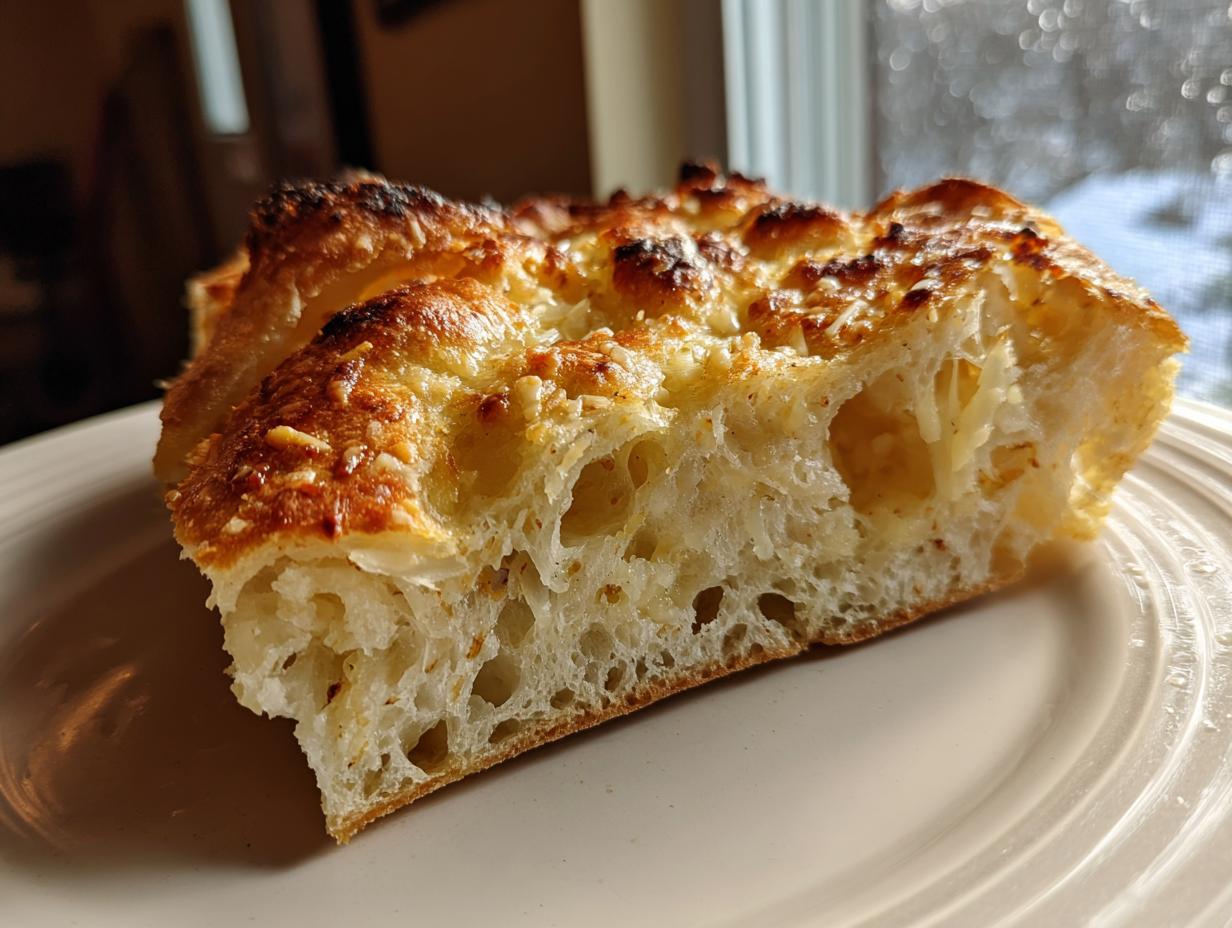
There’s just nothing quite like the smell of fresh, homemade bread baking on a weekend afternoon. It makes the whole house feel safe and welcoming! For years, I heard from students and then from my own family that baking yeast bread seemed intimidating, but I want to show you that it doesn’t have to be. That’s why I developed this Easy No Knead Artisan Bread, because even a busy school teacher like I once was (and a grandma now!) deserves bakery-quality crusty bread without breaking a sweat. We take this wonderfully simple foundation and elevate it with savory garlic and Italian herbs, making it the absolute best Parmesan bread for any dinner table.
- Why This Easy No Knead Artisan Bread Recipe Works (Beginner Bread Baking)
- Gathering Ingredients for Your Flavorful Parmesan Bread Recipe
- Step-by-Step Instructions for Homemade Bread Recipes
- Tips for Success with Your Garlic Herb Bread
- Ingredient Notes and Substitutions for Homemade Bread
- Serving Suggestions for This Rustic French Bread Loaf
- Storage and Reheating Instructions for Your Crusty Bread Recipe
- Frequently Asked Questions About Making Artisan Bread
- Nutritional Estimates for This Savory Bread Loaf
Why This Easy No Knead Artisan Bread Recipe Works (Beginner Bread Baking)
If the word ‘yeast’ makes you nervous, take a deep breath! This recipe is my favorite way to introduce people to the joy of making homemade bread because frankly, it does all the hard work for you. I taught grade schoolers for thirty years, and I know that the best way to learn something new is when the instructions are crystal clear and the results are guaranteed to impress. This method succeeds because we let time do the kneading for us.
- It requires less than 20 minutes of actual hands-on mixing time.
- The long rest develops a complex flavor you usually only get from much more difficult sourdough bread.
- It’s highly reliable, making it perfect for any beginner bread baking adventure!
The Magic of Long Fermentation in No Knead Bread
That 12 to 18-hour rest isn’t optional; it’s the entire structure of this easy bread recipe! During that long, slow time in the bowl, the yeast slowly gets to work developing those beautiful air pockets and creating complex flavors. You just cover it up and walk away. No standing there kneading when you should be putting your feet up!
Achieving That Perfect Crusty Bread Recipe Texture
The secret weapon for that restaurant-quality look is your Dutch Oven. When you place that dough inside the preheated pot, the lid traps all the steam escaping from the dough. That steam keeps the exterior moist initially, allowing the bread to expand fully. Once you remove the lid, the crust instantly dries out and browns beautifully, giving you that truly crusty bread recipe result.
Gathering Ingredients for Your Flavorful Parmesan Bread Recipe
Getting ready to bake this amazing Parmesan bread recipe is exciting because the ingredient list is so short! We aren’t using a ton of fancy stuff here, just the basics, plus the savory things that make this homemade bread special. Remember, the quality of your ingredients matters, even in a simple mix like this.
Here is what you need waiting on your counter before we mix everything together:
- 3 cups all-purpose or bread flour (Bread flour gives a little more chew, but all-purpose works fine!)
- 1 1/2 teaspoons salt
- 1/4 teaspoon instant yeast (Yes, only that little bit!)
- 1 1/2 cups cool water (Cool, not warm, is important here.)
For that incredible topping that we add right before the end, have this ready:
- 2 tablespoons unsalted butter, melted
- 2 cloves garlic, minced (Don’t use the jarred stuff if you can help it!)
- 1 teaspoon dried Italian herbs
- 1/2 cup grated Parmesan cheese (Freshly grated melts better, trust me.)
Step-by-Step Instructions for Homemade Bread Recipes
You asked for easy homemade bread recipes, and this is the heart of it! It feels almost like cheating because the active work is so minimal. I always tell folks that the best part of making this artisan bread is all the time you get back while the dough is happily resting. Just follow these steps closely, especially with the timing, and you’ll have a beautiful loaf.
Mixing and the Long Rest for Your Dough
First things first, we mix the dry ingredients—flour, salt, and that tiny bit of instant yeast—in a good big bowl. Then, pour in the cool water and mix it with a rugged wooden spoon. You’re aiming for just barely combined; trust me, it will look shaggy and messy, not smooth! Cover that tightly and leave it alone on the counter for 12 to 18 hours. That long rest is where all the magic happens for this yeast bread.
Shaping and Preheating the Dutch Oven Bread
Once your long rise is done, gently scrape that sticky dough onto a lightly floured surface. You don’t want to punch the air out! Just carefully fold it over itself a couple of times to make a rough ball shape. Cover that loosely and let it hang out for just 30 minutes. Now for the critical part: put your empty Dutch Oven, lid and all, into the cold oven and crank that temperature up to 450 degrees F before the 30 minutes is up!
Baking the Artisan Bread and Adding Flavor
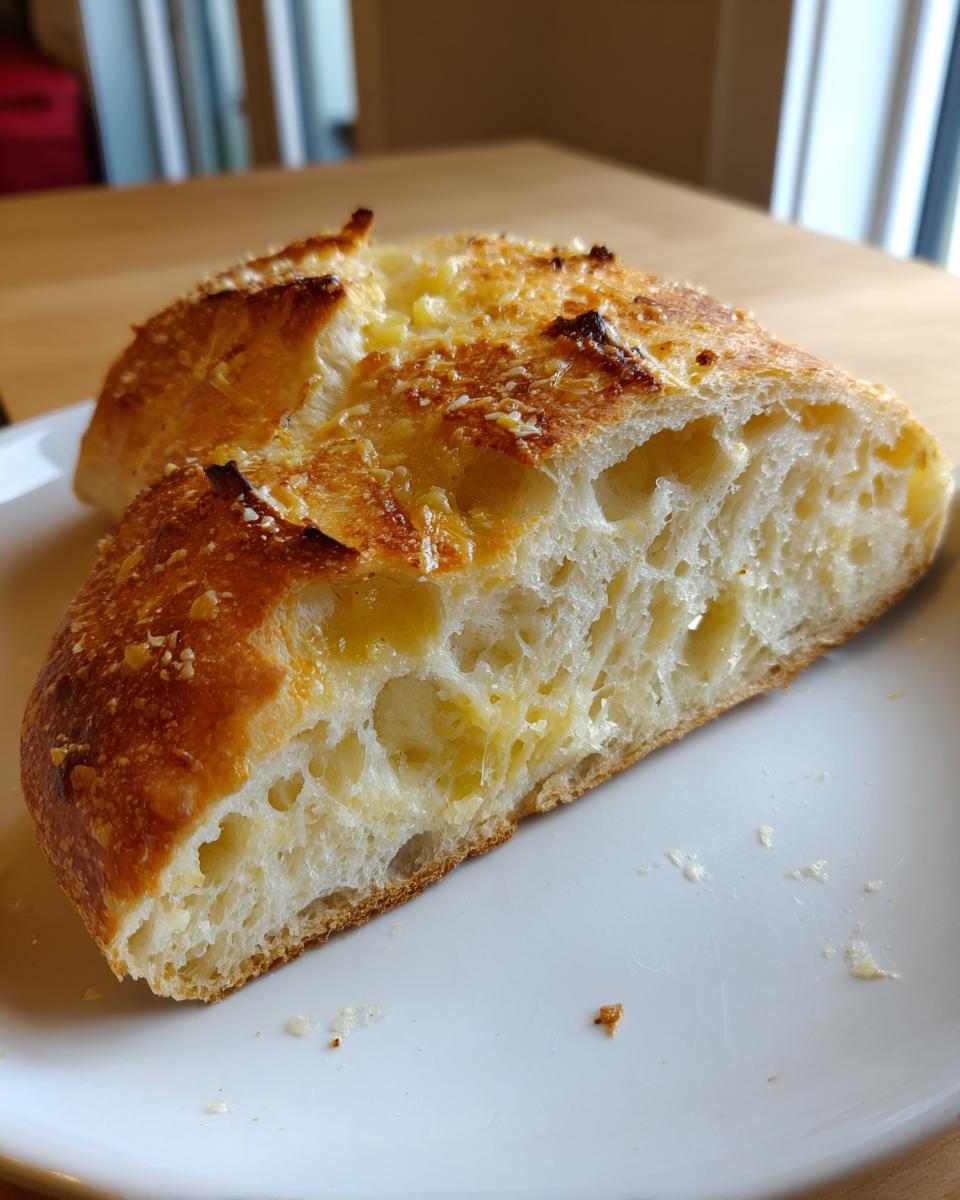
Once the oven is blazing hot, carefully pull out that scorching hot Dutch oven. Drop your dough ball right into the center—it’s dramatic, but stick with it! Put the lid back on and bake it for 30 minutes exactly. While that’s going, melt your butter and mix in that minced garlic and Italian herbs; have that ready! After the 30 minutes, remove the lid and sprinkle that gorgeous Parmesan cheese all over your artisan bread top. Pop it back in, lid off, for another 15 to 20 minutes until it is deeply golden brown. Right as you pull that fantastic loaf out, brush it generously with the garlic butter mixture and let it cool completely on a rack. It smells incredible!
Tips for Success with Your Garlic Herb Bread
Baking this kind of rustic Garlic Herb Bread is generally very foolproof, but I have a few little teacher-tricks to make sure you get that stunning crust every single time. Don’t be intimidated by the high heat; it’s essential!
- Never Skip the Preheat: That Dutch oven has to be ripping hot—450 degrees F! If you put cold dough into a lukewarm pot, you lose the steam explosion that gives you the crackly exterior. Let it preheat for a full 30 minutes after the oven says it’s ready.
- Handle That Dough Gently: When you scrape the dough out after the long rise, treat it like a delicate cloud. You want to keep all those lovely gas bubbles alive. Just fold it a couple of times to make a rough ball shape. Cover that loosely and let it hang out for just 30 minutes. Now for the critical part: put your empty Dutch Oven, lid and all, into the cold oven and crank that temperature up to 450 degrees F before the 30 minutes is up!
- Cooling is Crucial: I know the smell is intoxicating, but you absolutely must let this artisan bread cool on a wire rack for at least an hour before slicing. If you cut it hot, the steam gets trapped, and the inside can turn gummy. Patience pays off!

Ingredient Notes and Substitutions for Homemade Bread
When you’re making foundational bread like this, people often ask me about the finer points of the ingredients. Remember, I taught many classes before I started this site, so I want to make sure you feel confident about your choices here!
Let’s talk yeast first. I specifically call for instant yeast because it can be mixed right in with the flour without dissolving first. If you only have active dry yeast on hand, don’t worry! Just stir the yeast into the cool water and let it sit for about 5 minutes until it gets foamy before adding it to the dry ingredients. It takes a little extra patience, but the result is the same glorious loaf of bread.
For flour, I find that bread flour gives a slightly chewier texture, which I love for artisan loaves. However, all-purpose flour works perfectly well in a pinch for this recipe—it just won’t have quite the same ‘pull.’ And if you run out of Parmesan? A sharp Pecorino Romano cheese works beautifully, or even some salty, finely crumbled feta if you want a slightly tangier baked finish on your bread.
Serving Suggestions for This Rustic French Bread Loaf
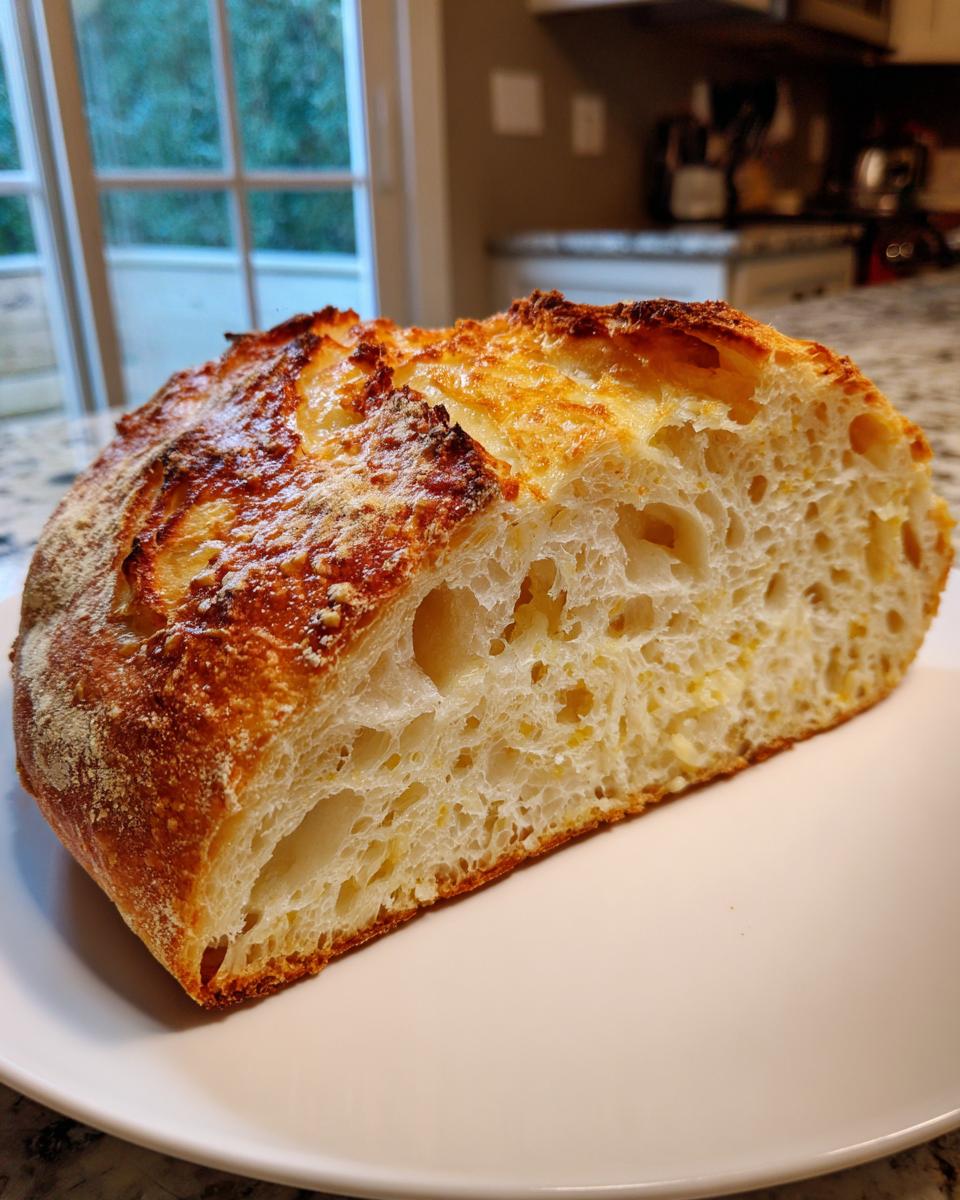
Now that you have this beautiful, crusty loaf of garlic Parmesan bread, the best part is deciding how to eat it! Because we loaded it up with savory herbs and cheese, it doesn’t even need butter, though I won’t stop you if you want to add some!
This rustic French bread loaf is absolutely perfect because it begs to be dipped. Think rich marinara sauce from your favorite pasta dish, or maybe a bowl of creamy tomato soup. If you’re having company, serve it alongside a simple bottle of good olive oil mixed with a splash of balsamic vinegar for dipping. Honestly, I just slice a thick piece off and eat it while leaning against the counter. Don’t judge!
Storage and Reheating Instructions for Your Crusty Bread Recipe
Keeping that gorgeous crusty bread recipe texture the next day can be tricky, I know! As soon as my bread cools down completely, I wrap it loosely in a clean tea towel, not plastic wrap—plastic makes the crust go soft fast. Honestly, this artisan bread is best eaten the day it’s baked, but it’ll stay quite nice on the counter for two days.
If you absolutely must reheat leftovers, here’s my trick: run a slice under a bit of cool water quickly, then pop it directly onto the oven rack at 350 degrees F for about five minutes. It brings that crust right back to life! Don’t microwave it unless you are turning it into croutons!
Frequently Asked Questions About Making Artisan Bread
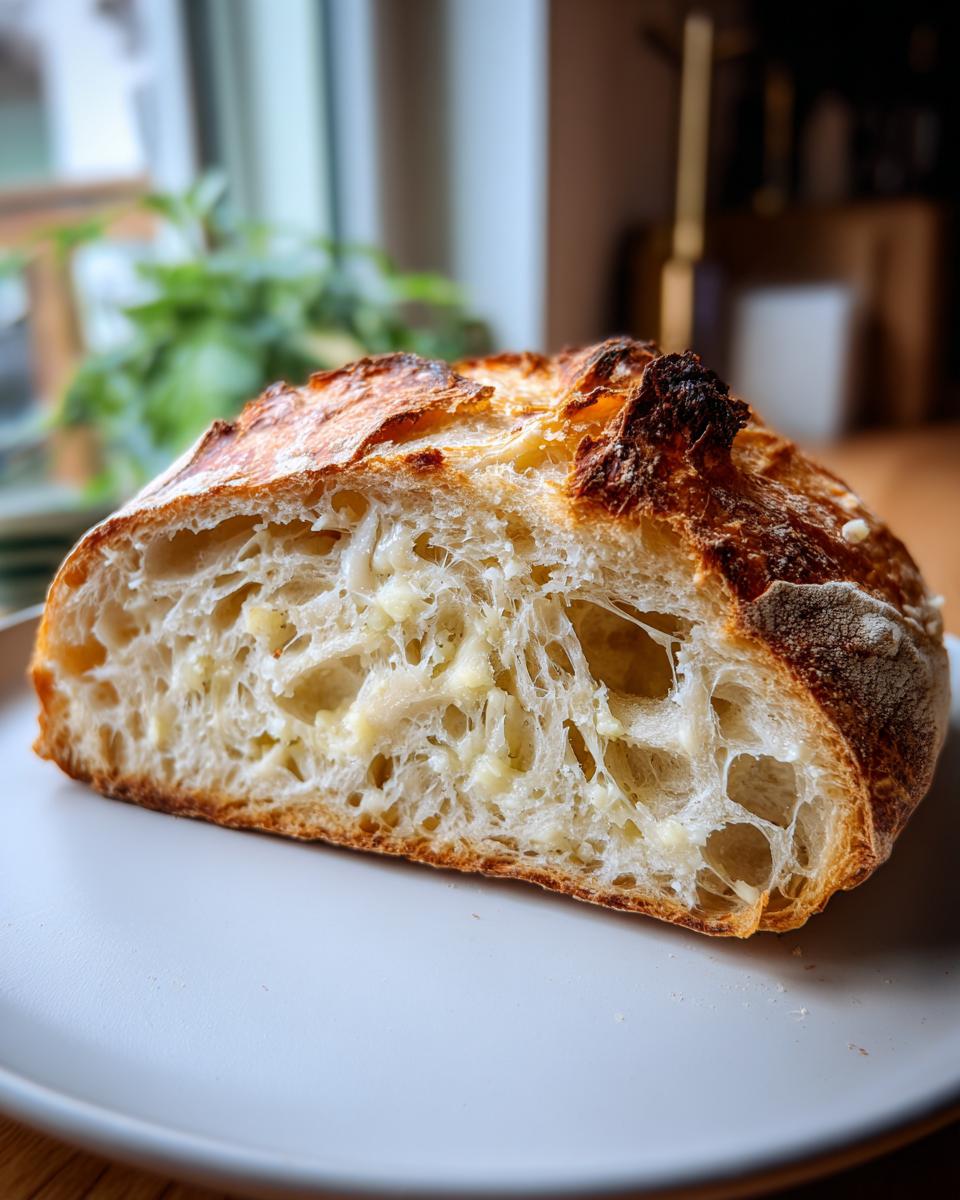
When baking for the first time, folks always have questions about this no-knead bread! I’ve tried to answer the most common ones I get from my readers who are just starting out with their yeast bread recipes.
Can I skip the Dutch Oven?
You certainly can, but it won’t be the same! The Dutch Oven is key to that bakery-style crust because it creates a steamy environment. If you must skip it, put a pan of water on the bottom rack while the oven preheats, and place your dough on a preheated baking stone or sheet pan. Just know your crust won’t be as perfectly crackly.
How do I know when the long rise for the bread is done?
You’re looking for visible changes! Your dough should look very bubbly and almost double in size, but more importantly, it should look slightly messy, bubbly, and spreadable, not tight. If it’s been 18 hours and it still looks like the dough you mixed yesterday, you might have used old yeast or your kitchen is really cold. Trust your eyes more than the clock sometimes with this resting step.
Can I use this technique for Soft Dinner Rolls?
This specific recipe is designed for a crusty, open-crumb artisan loaf, so the high water content makes it better for one big loaf than for small bread rolls. For soft dinner rolls, you’d need a completely different recipe—one with less water and more kneading to develop that soft gluten structure. Keep an eye out; I’m working on an easy dinner roll recipe next!
What if I only have Active Dry Yeast instead of Instant?
Oh, that’s an easy fix! Remember, active dry yeast needs to wake up first. Before you add your dry ingredients, mix that yeast into your cool water and let it sit for 5 to 10 minutes until it gets foamy on top. Once it’s happy, you can proceed exactly as written. It’s a small step to ensure perfect yeast activity in your loaf of homemade bread.
Nutritional Estimates for This Savory Bread Loaf
Now, I know most of us aren’t measuring our homemade bread by its calorie count—we’re eating it for the comfort! But since some of you ask for the specifics, I’ve put together the general estimates for one slice of this delicious garlic Parmesan loaf. Remember, since we are making this from scratch, these numbers are just an educated guess based on standard ingredient amounts, so they give you a good ballpark idea.
- Serving Size: 1 slice
- Calories: 220
- Sugar: 1g
- Sodium: 350mg
- Fat: 6g
- Saturated Fat: 3g
- Unsaturated Fat: 3g
- Trans Fat: 0g
- Carbohydrates: 37g
- Fiber: 2g
- Protein: 7g
- Cholesterol: 10mg
See? Not too bad for bread that tastes like it came straight from an artisan bakery! Enjoy every thick slice warm from the oven.
PrintEasy No Knead Artisan Bread with Garlic and Parmesan
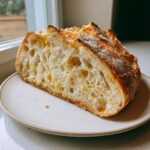
Make a crusty, flavorful artisan bread loaf at home with this simple no knead recipe. This bread requires minimal effort and is enhanced with savory garlic and Parmesan cheese for a delicious side dish.
- Prep Time: 15 min
- Cook Time: 50 min
- Total Time: 13 hours 55 min
- Yield: 1 loaf 1x
- Category: Side Dish
- Method: Baking
- Cuisine: American
- Diet: Vegetarian
Ingredients
- 3 cups all-purpose or bread flour
- 1 1/2 teaspoons salt
- 1/4 teaspoon instant yeast
- 1 1/2 cups cool water
- 2 tablespoons unsalted butter, melted
- 2 cloves garlic, minced
- 1 teaspoon dried Italian herbs
- 1/2 cup grated Parmesan cheese
Instructions
- In a large bowl, mix the flour, salt, and yeast together.
- Add the cool water to the dry ingredients and mix with a wooden spoon until just combined. The dough will be shaggy and sticky. Do not knead.
- Cover the bowl tightly with plastic wrap and let the dough rest at room temperature for 12 to 18 hours. This long, slow fermentation develops the flavor.
- After the long rise, gently scrape the dough out onto a lightly floured surface. Fold the dough over itself a few times to form a rough ball.
- Cover the dough loosely and let it rest for 30 minutes.
- While the dough rests, place a Dutch oven with its lid inside your oven and preheat the oven to 450 degrees Fahrenheit (232 degrees Celsius).
- After the 30-minute rest, carefully remove the hot Dutch oven from the oven. Gently place the dough ball into the hot pot.
- Cover the Dutch oven and return it to the oven. Bake for 30 minutes with the lid on.
- While the bread bakes, prepare the topping: mix the melted butter, minced garlic, and Italian herbs in a small bowl.
- After 30 minutes, carefully remove the lid from the Dutch oven. Sprinkle the grated Parmesan cheese evenly over the top of the loaf.
- Continue baking, uncovered, for another 15 to 20 minutes, or until the crust is deep golden brown and the internal temperature reaches 200 degrees Fahrenheit (93 degrees Celsius).
- Carefully remove the bread from the Dutch oven and place it on a wire rack to cool completely before slicing. Brush the top crust with the garlic butter mixture immediately after removing it from the pot.
Notes
- For the best crust, use a heavy cast iron Dutch oven.
- If you prefer a milder garlic flavor, use garlic powder instead of fresh minced garlic in the butter topping.
- This homemade bread recipe is excellent served warm alongside soup or pasta dishes.
Nutrition
- Serving Size: 1 slice
- Calories: 220
- Sugar: 1
- Sodium: 350
- Fat: 6
- Saturated Fat: 3
- Unsaturated Fat: 3
- Trans Fat: 0
- Carbohydrates: 37
- Fiber: 2
- Protein: 7
- Cholesterol: 10