

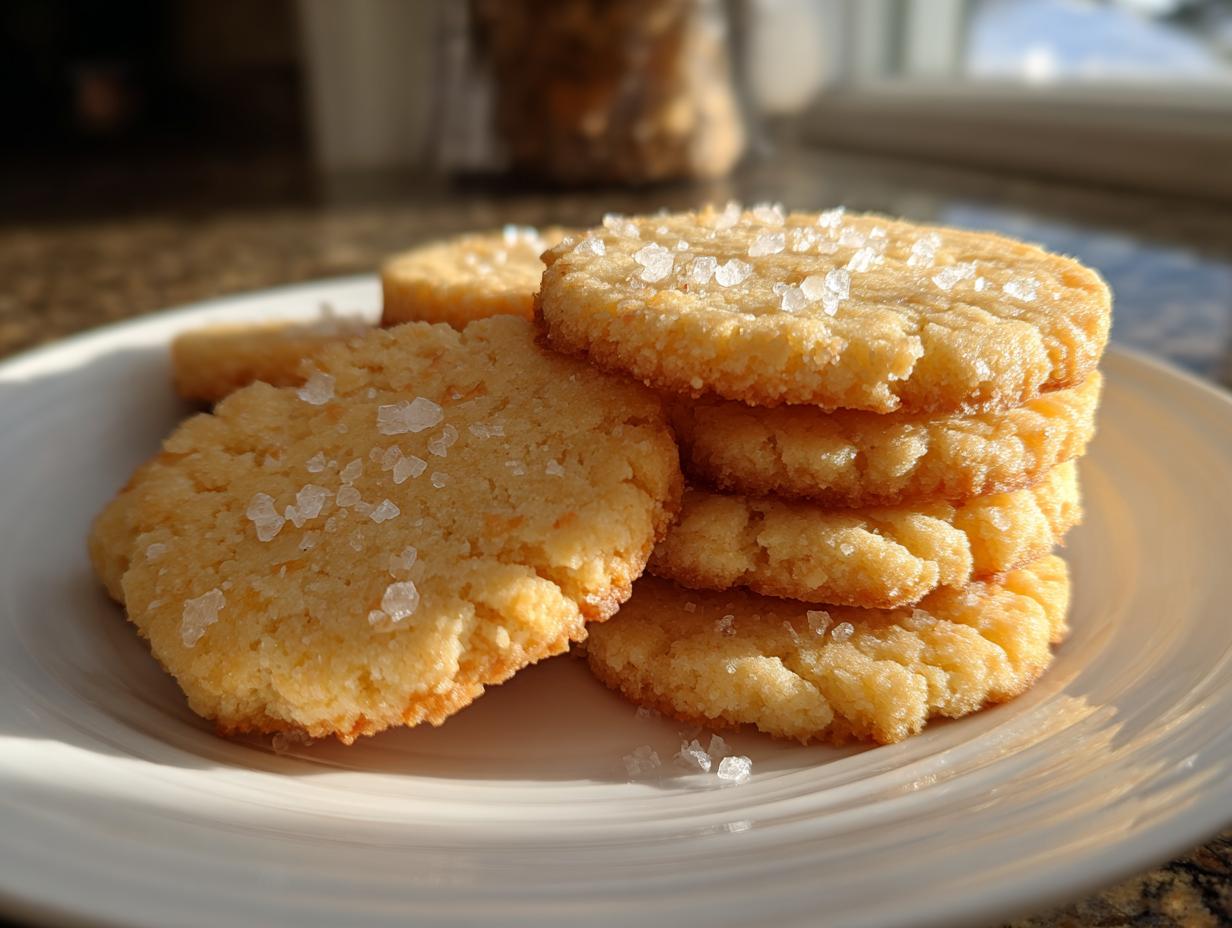
There is something truly magical about baking that relies on just a few high-quality ingredients. It’s where elegance meets simplicity, and that’s exactly what drew me to creating this ultimate guide for french salted butter cookies. You don’t need complicated steps or ten different extracts to make something incredible; you just need to respect the butter! These cookies are famous for that rich, powerful flavor and that wonderful texture—they literally melt the second they hit your tongue. It’s a testament to the simple, honest cooking I grew up with back in the Midwest: good food doesn’t need to be fussy to taste like heaven. If you’ve ever wanted to master Authentic French Cookies, you are definitely in the right spot today. For a little inspiration on where these recipes come from, take a look at why others love these buttery treats: these buttery delights are famous!
- Why Our French Salted Butter Cookies Recipe Stands Out (E-E-A-T)
- Gathering Ingredients for French Salted Butter Cookies
- Step-by-Step Guide to Making Easy French Cookie Recipe
- Baking Tips for Perfect French Salted Butter Cookies
- Serving and Storing Your Buttery Shortbread Style Cookies
- Troubleshooting Common French Butter Cookies Recipe Issues
- Estimated Nutrition for French Salted Butter Cookies
- Your Next Classic French Baking Project
Why Our French Salted Butter Cookies Recipe Stands Out (E-E-A-T)
Trust me when I say that the moment you use real, high-quality salted butter in this recipe, you’ll understand the hype. That’s my secret to ensuring these aren’t just good cookies, they are the Best butter cookie recipe you’ll ever make! We are aiming for that perfect salty-sweet dance on your palate, combined with a crisp edge that still yields to a soft center. I’ve tested this countless times against my favorite French pastry books, and I know this version gives you that satisfying, bakery-style crunch every single time. You deserve cookies that taste like you bought them from the finest little shop. If you want to see how others have enjoyed this classic approach, check out the insights here: Classic French Salted Butter Cookies!
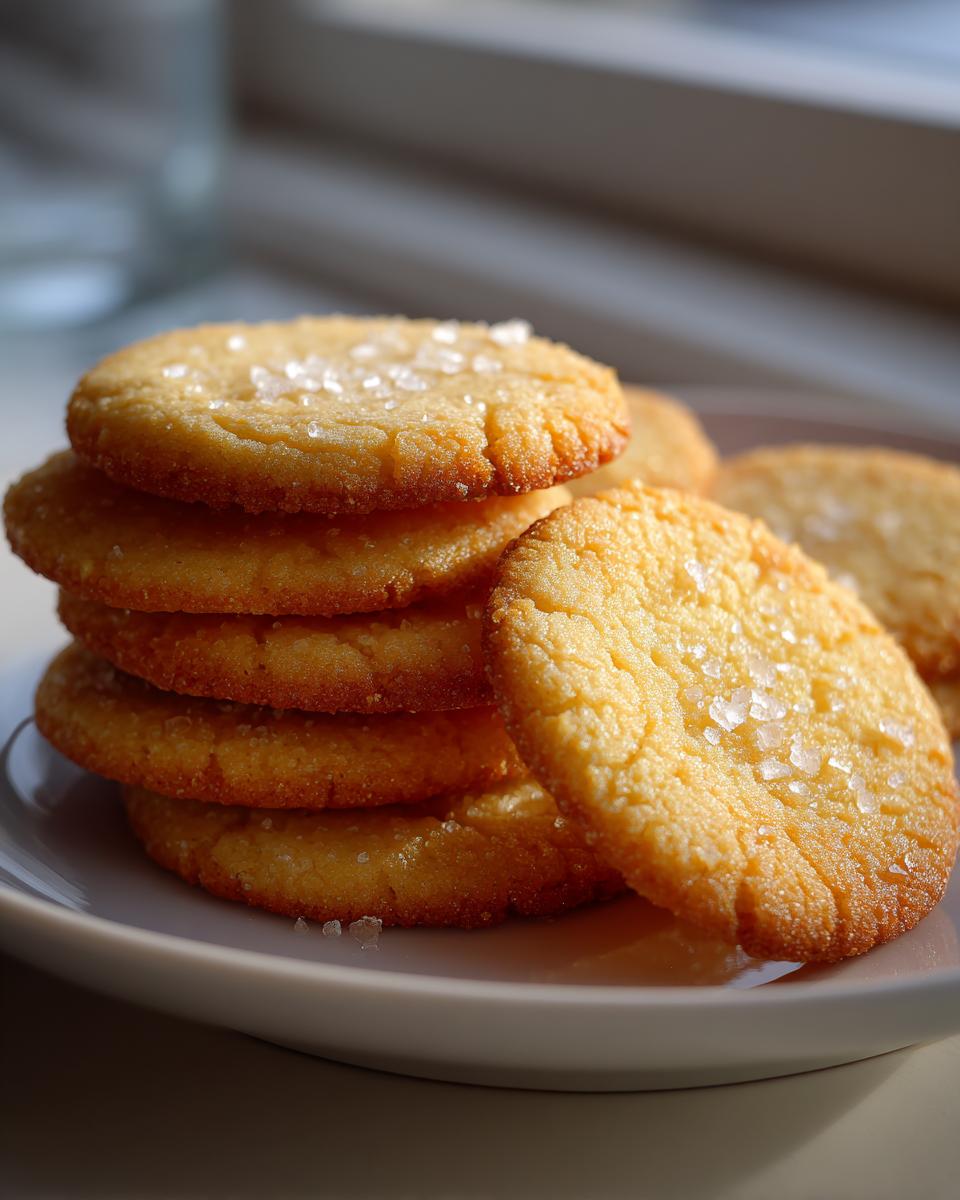
Achieving That Perfect Melt in your mouth cookies Texture
The texture is all about two things: the fat content of the butter, of course, and patience! We need enough fat for those incredibly tender results. Also, that crucial chilling step—don’t skip it! Chilling solidifies the butter just enough so the dough holds its shape when cut. This careful temperature control is what keeps them from spreading into thin, greasy puddles in the oven. When you chill it right, the cookies bake up beautifully sturdy yet so delicate.
Gathering Ingredients for French Salted Butter Cookies
Baking is only as good as the ingredients you start with, and that is especially true here! Since we aren’t using tons of sugar or extracts to mask anything, the flavor comes directly from the butter. I highly recommend seeking out a high-fat, European-style salted butter if you can find it—it just makes these french salted butter cookies sing! Before we start mixing, gather everything as listed below so we can move smoothly from creaming to chilling. If you want to dive deeper into why the quality matters so much, I wrote a whole piece about cookie recipes with high-quality butter.
- 1 cup (227g) high-quality salted butter, softened
- 2/3 cup (130g) granulated sugar
- 1 large egg yolk
- 1 teaspoon vanilla extract
- 2 cups (250g) all-purpose flour
- 1/4 teaspoon salt (only use this if your butter is unsalted!)
- Flaky sea salt, for sprinkling on top
Step-by-Step Guide to Making Easy French Cookie Recipe
Now for the fun part—bringing this wonderful dough together! Even though this is an easy French cookie recipe that even beginners can manage, we have to treat the dough with respect. Remember what I said about clarity in teaching? Well, that applies here too! We need precision in the mixing so we don’t accidentally develop gluten, which would make these buttery Sablés tough instead of tender. Don’t worry if it feels like you aren’t doing much; sometimes the simplest methods require the most careful attention to detail. We’re aiming for a cookie that tastes like it took days to make, not just an hour of active time! If you want to see how others have enjoyed this classic approach, check out the insights here: classic French salted butter cookies.
- Creaming Time: Grab your stand mixer or a sturdy hand mixer and beat that softened salted butter and granulated sugar together. You absolutely must keep going until the mixture looks pale yellow and genuinely fluffy—I always say it reminds me of creamy whipped butter when it’s right!
- Wet Ingredients In: Gently mix in your single egg yolk and the vanilla extract. Just let it blend until everything gets along, maybe for about 30 seconds. We don’t want to overwork the fat we just incorporated.
- The Flour Addition: Now, add the flour (and that tiny bit of extra salt if you used unsalted butter). Mix this on the lowest speed possible, or even fold it in by hand if you prefer! Stop mixing the very second you stop seeing dry flour streaks.
- The Crucial Chill: Dump the whole messy dough ball onto a sheet of plastic wrap. Shape it into a thick, neat disk—this makes rolling easier later! Wrap it up tight and stick it in the fridge for a minimum of one hour. Seriously, don’t try to rush this part!
- Preheat and Prep: Get your oven warmed up to 350°F (175°C). Line your baking sheets with parchment paper. I always use parchment because these rich french salted butter cookies sometimes like to stick right to the pan when cooling.
- Rolling Out: Take the dough out and let it sit on the counter for just five minutes if it’s rock hard. Roll it out to about 1/4 inch thickness. Consistency matters here so they all bake at the same rate!
- Cutting Shapes: Use your favorite cookie cutter—round ones are traditional for a reason—and place the cutouts onto your prepared trays.
- The Flakey Finish: This is where the magic happens! Sprinkle a couple of grains of flaky sea salt right on top of each cookie.
- Bake Time: Bake these beauties for 12 to 15 minutes. You are looking for edges that are just barely turning golden brown. The centers should still look pale!
- Cooling Down: Let them sit on the hot baking sheet for five minutes so they firm up before you try to move them. Then, move them gently to a wire rack to cool completely.
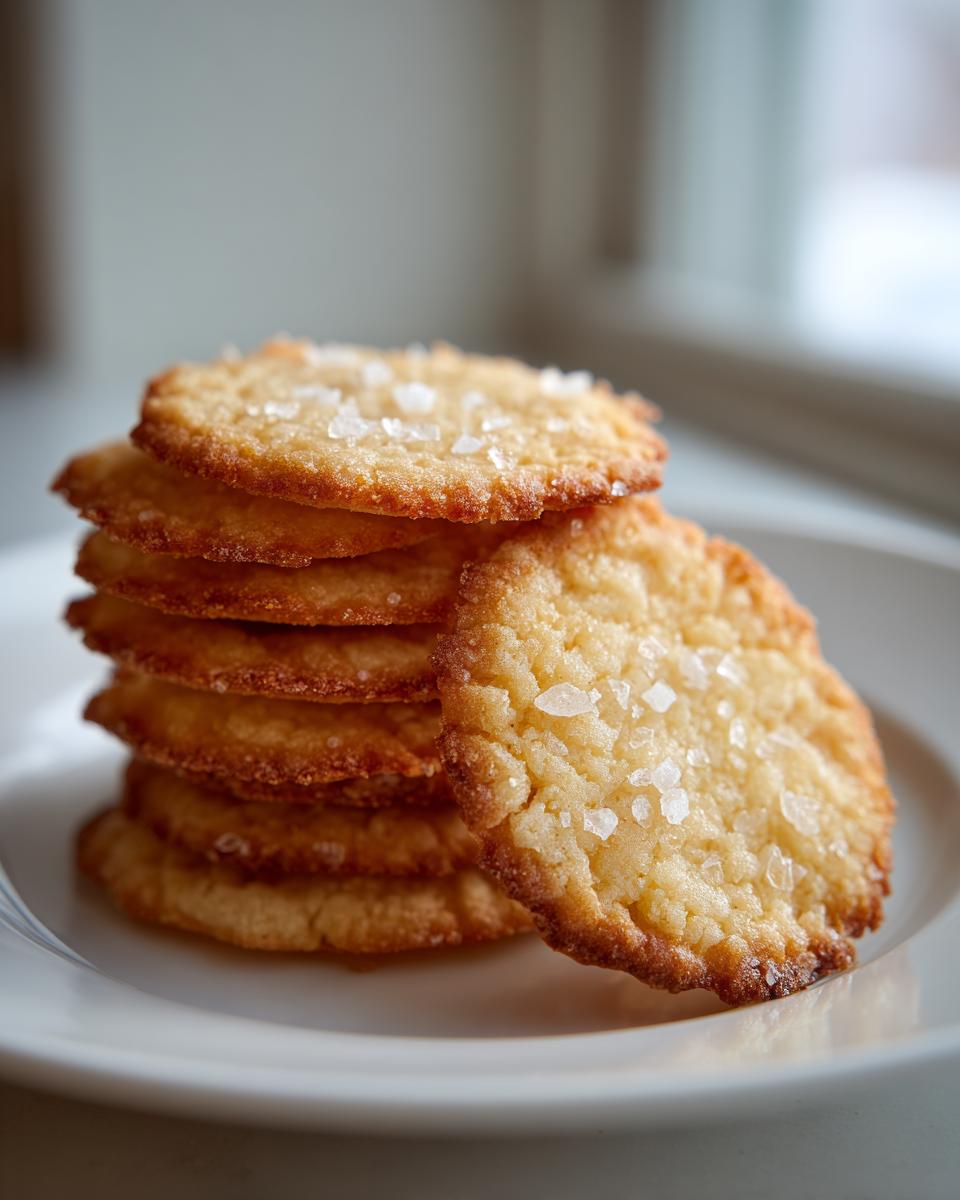
Creaming and Dough Formation for French Salted Butter Cookies
When you cream that butter and sugar, you aren’t just mixing; you are building air pockets! That’s how you get structure without using any yeast or lots of baking powder. When you finally add the flour, remember my firm advice: mix it in only until it disappears. If you see flour streaks swirling around, stop! That last little bit of mixing will happen when you shape the dough anyway. Overmixing the flour here is the fastest way to lose that delicate, buttery texture we are fighting so hard to achieve; we want soft, not chewy!
Chilling and Cutting Your Sablé Cookies Recipe Shapes
I cannot stress enough how much that chilling stage helps your Sablé cookies recipe hold its elegant shape. If the butter is too warm, the cookies will spread right out when they hit the heat, and you’ll end up with those flat, greasy puddles—yuck! Rolling the dough between two sheets of parchment paper is my go-to method for keeping things clean and stopping the dough from sticking to the counter when you roll it thin. Keep that thickness close to 1/4 inch for even baking across the batch.
Baking Tips for Perfect French Salted Butter Cookies
Baking these delicate French beauties requires knowing when to pull them out—it’s a very fine line between perfectly crisp and just slightly dry! Because every oven behaves a little differently (mine always runs hot on the right side, so I have to rotate my trays!), you need to watch for visual cues more than just sticking to the clock. You are aiming for edges that just kiss the light gold color, while the centers stay beautifully pale. If you’re ever unsure about your oven’s true reading, an inexpensive oven thermometer is a game-changer for quality control; it really helps nail that consistent result. For more tips on nailing precise baking times, you might like to check out my notes on chewy ginger molasses cookies recipe!
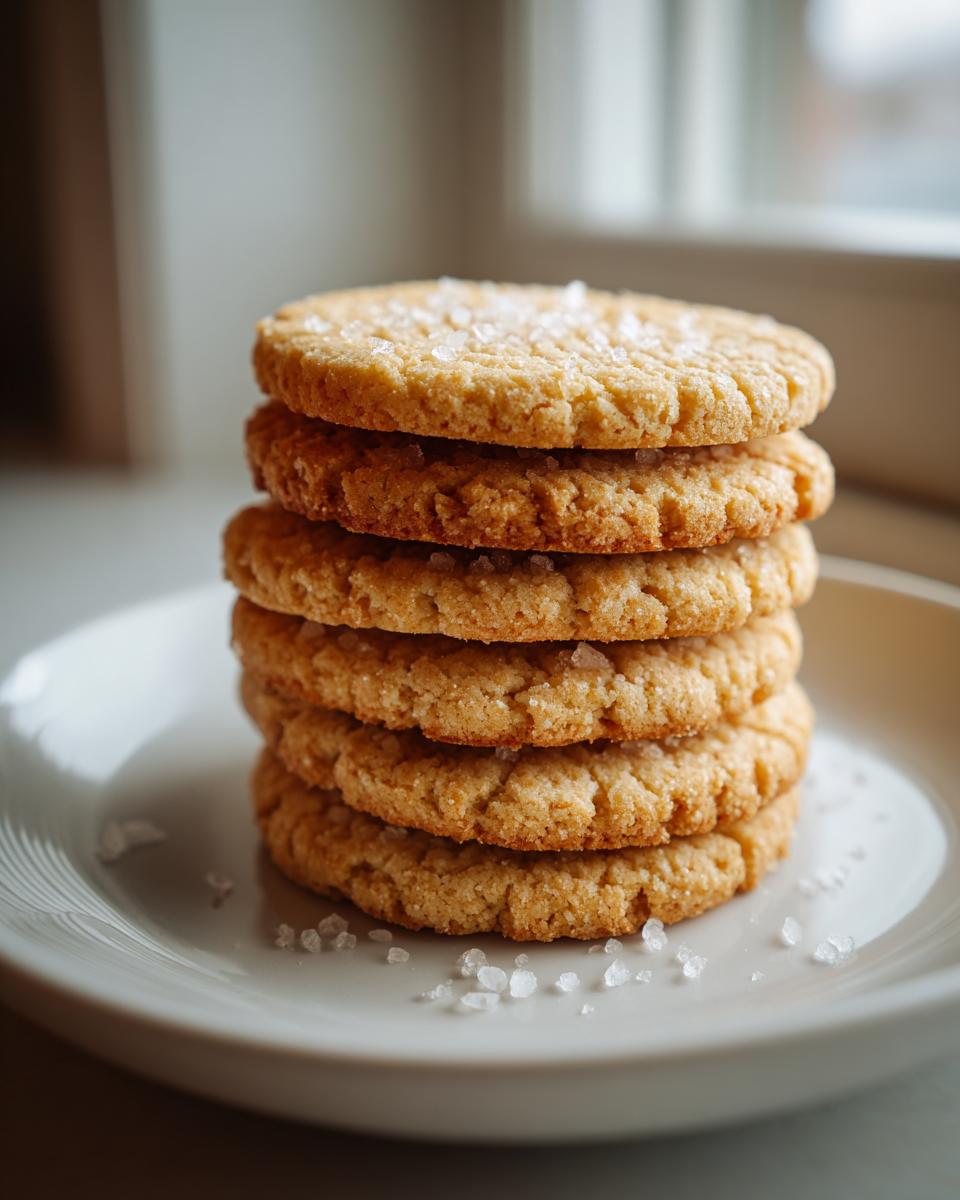
The Role of Flaky Salt on Crispy Salted Cookies
That sprinkle of flaky sea salt on top isn’t just pretty, it’s functional! When those salt flakes hit the warm cookie, they don’t dissolve completely like table salt would. Instead, they stay right on the surface, giving you a delightful little crunchy burst of pure saltiness right before that buttery flavor melts away. This contrast is what makes these **crispy salted cookies** so addicting. It truly elevates the flavor pairing beyond just sweet dough. You can see another great example of how texture matters in baking over at French Salted Butter Cookies blog post!
Serving and Storing Your Buttery Shortbread Style Cookies
The hardest part about baking these buttery shortbread style cookies is waiting for them to cool down! Seriously, resist the urge to eat them warm. They truly need to cool down completely on that wire rack until they reach room temperature. If you try to put them away warm, you’ll trap steam inside the container, and that steam is the enemy of crispness! We tried that once, and by morning, they were sadly soft instead of perfectly flaky.
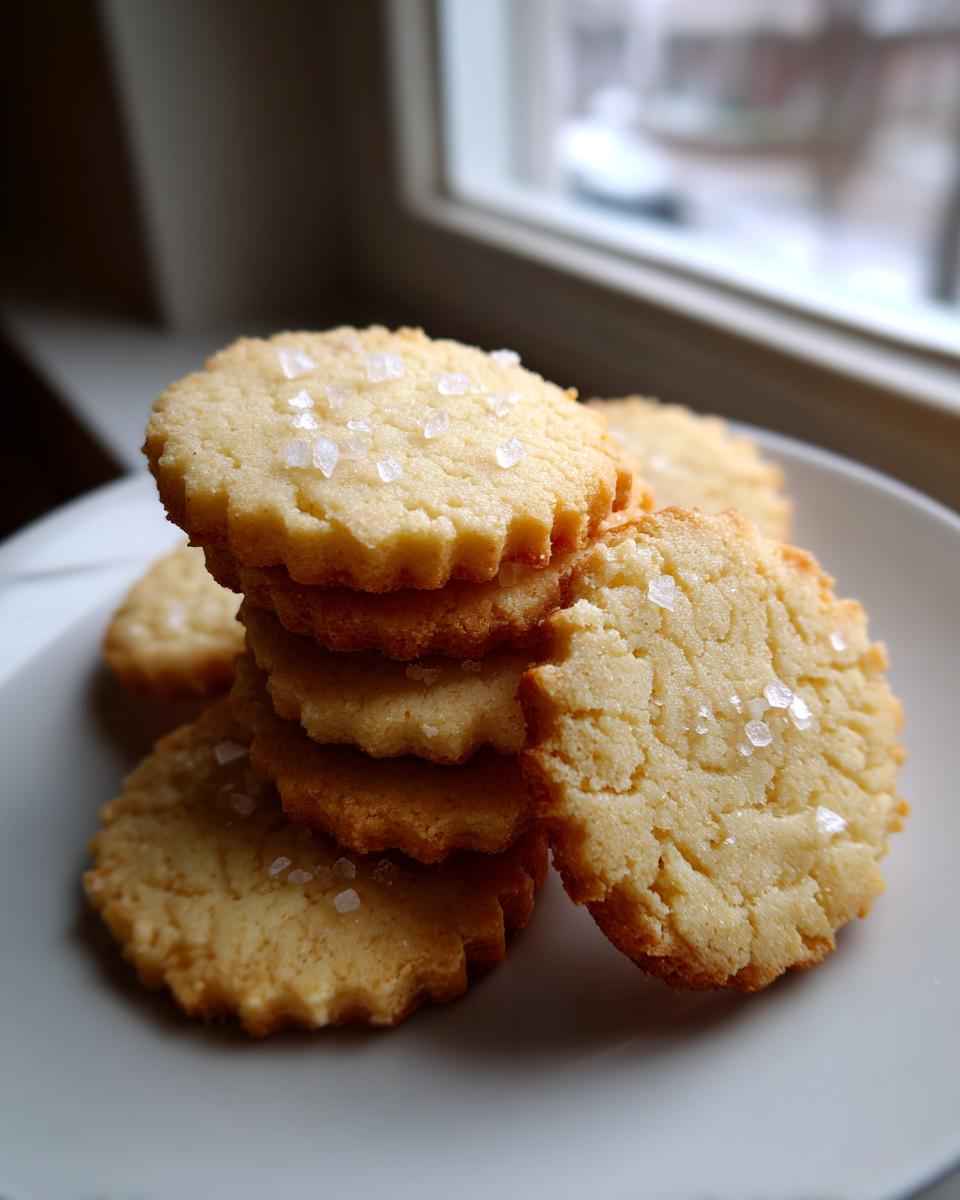
Once they are totally cool—and I mean stone cold—you can tuck them away. They do surprisingly well! Store them in an airtight container at room temperature. You’ll find they are still absolutely wonderful for up to a full week. That’s why they are so perfect for making ahead of time for parties or holiday gatherings!
When it comes to serving, these elegant little biscuits shine all on their own. They are delicate enough that they really don’t need heavy frosting or dipping. For my favorite way to enjoy them, I always pair them with a strong, slightly bitter afternoon coffee pairing cookies experience. A classic espresso or a dark roast really cuts through that richness of the French butter beautifully. They also look so refined sitting next to a delicate cup of Earl Grey tea.
When I bake these for gifts, I sometimes layer them gently between sheets of wax paper inside a decorative tin. It keeps the cookies from rattling around and breaking up. If you are looking for more make-ahead baking projects that store well, you might want to check out my recipe for moist date nut bread recipe—that one is excellent for packaging too!
Troubleshooting Common French Butter Cookies Recipe Issues
Even with the easiest recipe, sometimes little hiccups happen in the kitchen, and that’s totally normal! When you’re dealing with so much butter, temperature control can be tricky. If your cookies spread out flat and wide, that almost always means your butter wasn’t chilled long enough, or maybe you over-creamed it initially. Remember, we want that fluffy texture, but not liquidy! On the flip side, if your french salted butter cookies turn out hard or crumbly when they shouldn’t, you probably mixed them a little too long once the flour went in. Stop as soon as the flour vanishes!
It’s all about learning the dough’s personality. If you ever struggle making macarons, I’ve got a guide on getting those temperamental little things right! Check out my tips for chocolate macarons recipe success. For these butter cookies, if you find they crack a lot when you cut them, it just means they were a bit too cold. Let them rest on the counter for ten minutes before rolling again. See? We can fix just about anything! You can also read some great tips on basic cookie issues over at Easy French Salted Butter Cookies Recipe for Beginners.
Estimated Nutrition for French Salted Butter Cookies
Now, while I truly believe these cookies are best enjoyed without worrying too much about the numbers, I know some of you like to keep track! Remember, these figures are just estimates based on the recipe listed above, and the exact brands of butter and nature of flour you use can change things slightly. So, take these numbers with a little grain of salt—maybe not the flaky sea salt we put on top, but a virtual grain of salt! What matters most is the joy they bring, but here is the breakdown for one cookie, rounded to the nearest figure.
- Calories: Around 140 per cookie
- Fat: Approximately 9 grams
- Carbohydrates: About 13 grams
- Protein: Roughly 2 grams
These delightful **french salted butter cookies** are proof that simple ingredients, when treated right, can create something truly decadent. Enjoy them guilt-free, knowing you made them with the best quality butter possible!
Your Next Classic French Baking Project
Well, that’s us done! I truly hope you take the time to try these french salted butter cookies soon. When you do, I’d absolutely love for you to jump down to the comments and tell me how they turned out for you. Did the chilling time make a difference? Did you use that fancy imported French butter I talked about?
Please, please leave a star rating if you loved them—it helps other home cooks feel confident trying out a new recipe! It means the world to me when I hear you made something from my kitchen and shared it with your family. If you send a photo on social media, tag me! I love seeing where my recipes end up.
If you enjoyed stepping into the world of classic French baking with me today, you should definitely visit my About Page to read a little more about how I approach cooking. And if you’re looking for more simple, elegant ideas, take a peek at what others are making: Classic French Salted Butter Cookies Recipe for more inspiration!
PrintClassic French Salted Butter Cookies (Sablés)

Make buttery, crispy French salted butter cookies that melt in your mouth. This straightforward recipe uses high-quality butter for an elegant, classic result perfect for tea or coffee.
- Prep Time: 20 min
- Cook Time: 15 min
- Total Time: 95 min
- Yield: About 2 dozen 1x
- Category: Dessert
- Method: Baking
- Cuisine: French
- Diet: Vegetarian
Ingredients
- 1 cup (227g) high-quality salted butter, softened
- 2/3 cup (130g) granulated sugar
- 1 large egg yolk
- 1 teaspoon vanilla extract
- 2 cups (250g) all-purpose flour
- 1/4 teaspoon salt (if using unsalted butter)
- Flaky sea salt, for sprinkling
Instructions
- In a large bowl, cream the softened salted butter and granulated sugar together until the mixture is pale and fluffy.
- Mix in the egg yolk and vanilla extract until just combined.
- Gradually add the all-purpose flour and mix on low speed until a soft dough forms. Do not overmix.
- Shape the dough into a thick disk, wrap it in plastic wrap, and chill in the refrigerator for at least 1 hour.
- Preheat your oven to 350°F (175°C). Line baking sheets with parchment paper.
- Roll the chilled dough out on a lightly floured surface to about 1/4 inch thickness.
- Use a round cookie cutter (about 2 inches) to cut out shapes. Place the cutouts onto the prepared baking sheets.
- Sprinkle the tops of the cookies lightly with flaky sea salt.
- Bake for 12 to 15 minutes, or until the edges are lightly golden brown. The centers should remain pale.
- Let the cookies cool on the baking sheet for 5 minutes before transferring them to a wire rack to cool completely.
Notes
- Use French-style salted butter if available; its higher fat content improves texture and flavor.
- For a crispier cookie, bake for an extra minute or two, watching carefully to prevent burning.
- If you prefer a softer cookie, reduce the baking time by one minute.
- These cookies store well in an airtight container at room temperature for up to one week.
Nutrition
- Serving Size: 1 cookie
- Calories: 140
- Sugar: 8
- Sodium: 85
- Fat: 9
- Saturated Fat: 5
- Unsaturated Fat: 4
- Trans Fat: 0
- Carbohydrates: 13
- Fiber: 0
- Protein: 2
- Cholesterol: 30