

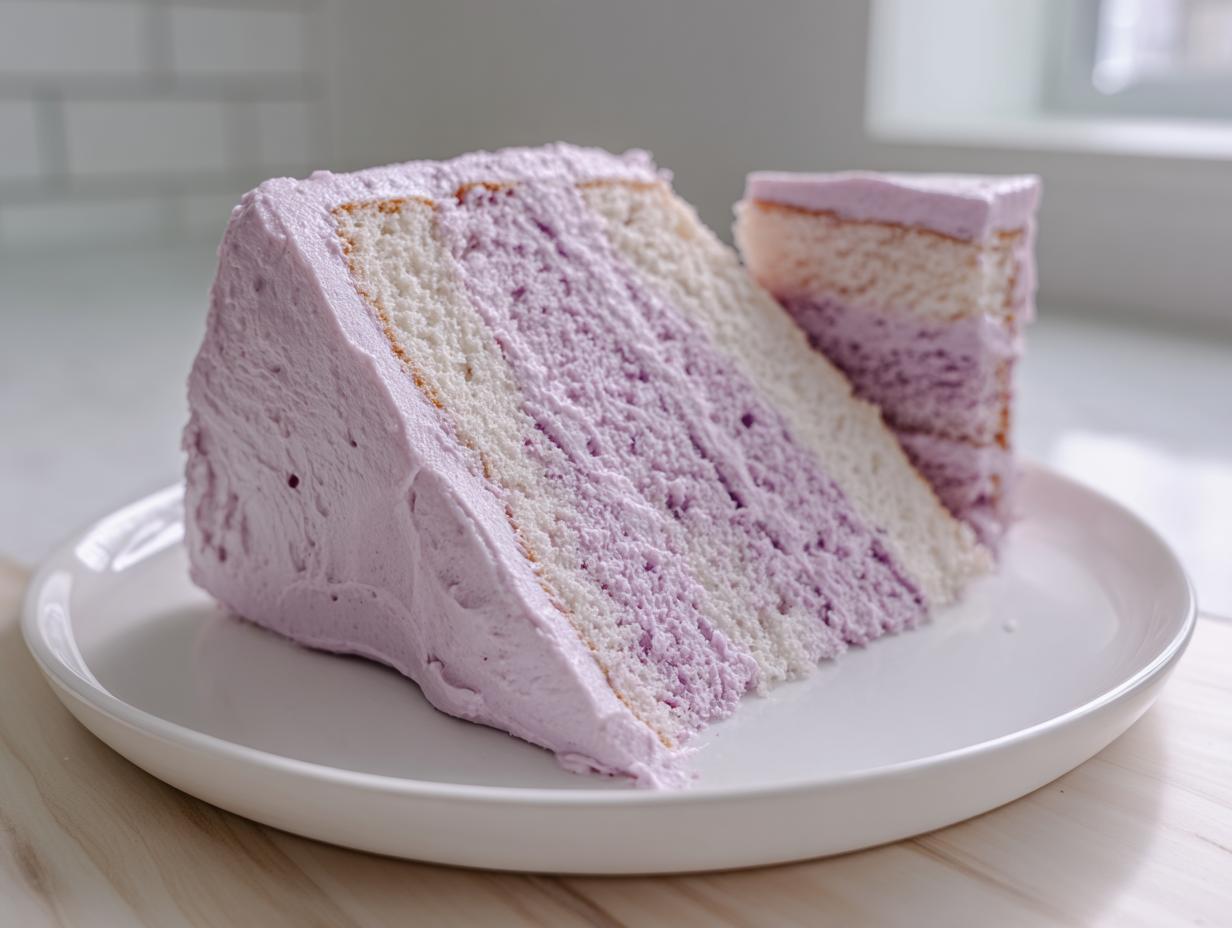
Sometimes we think that elegant, sophisticated desserts are just too fussy for a weeknight, or even a simple weekend gathering. But that’s just not true! With just a little bit of care, we can make something truly special that still feels like home cooking. That’s why I am just so thrilled to share my recipe for the ultimate lavender cake. It’s got this beautiful, incredibly moist texture, and the delicate floral essence is perfectly balanced with classic vanilla. Trust me, this layered cake proves that gourmet baking can be perfectly approachable. We take great care to use only high-quality culinary lavender, because when you’re working with something so fragrant, the source really matters!
- Why This Lavender Cake Recipe is Perfect for Your Kitchen
- Gathering Ingredients for Your Lavender Cake
- Step-by-Step Instructions for the Lavender Cake
- Tips for Baking with Culinary Lavender
- Serving Suggestions for This Floral Dessert
- Storing and Keeping Your Cake Fresh
- Common Questions About Aromatic Cake Recipes
- Nutritional Estimates for This Dessert
- Share Your Baking Creations
Why This Lavender Cake Recipe is Perfect for Your Kitchen
When I develop a recipe, I want it to be something you turn to again and again, not just for a special party. This cake fits the bill perfectly for those times you need something truly special but don’t want a fuss.
- It fits right in with the best Aromatic Cake Recipes you’ll ever make.
- The final product is one of those truly Elegant Desserts that feels fancy but is built on simple techniques.
Achieving a Truly Moist Lavender Cake
You know how fussy floral flavors can be? Well, the secret to keeping this cake from seeming dry is how we handle the milk. By infusing the milk first, we get all that lovely flavor deep into the crumb, which keeps the whole cake beautifully tender. We want a moist cake, not a crumbly one!
Balancing Floral Notes for Sophisticated Baking
Too much lavender and it tastes like soap, and we certainly don’t want that! I pair the floral buds with plenty of good vanilla—and sometimes a little lemon if I’m feeling zesty—so the flavor stays fragrant but still tastes like a classic cake you want another slice of. It hits that right note of Sophisticated Baking without getting weird.
If you want to see how pretty the finished product looks, check out this beautiful version while you gather your ingredients!
Gathering Ingredients for Your Lavender Cake
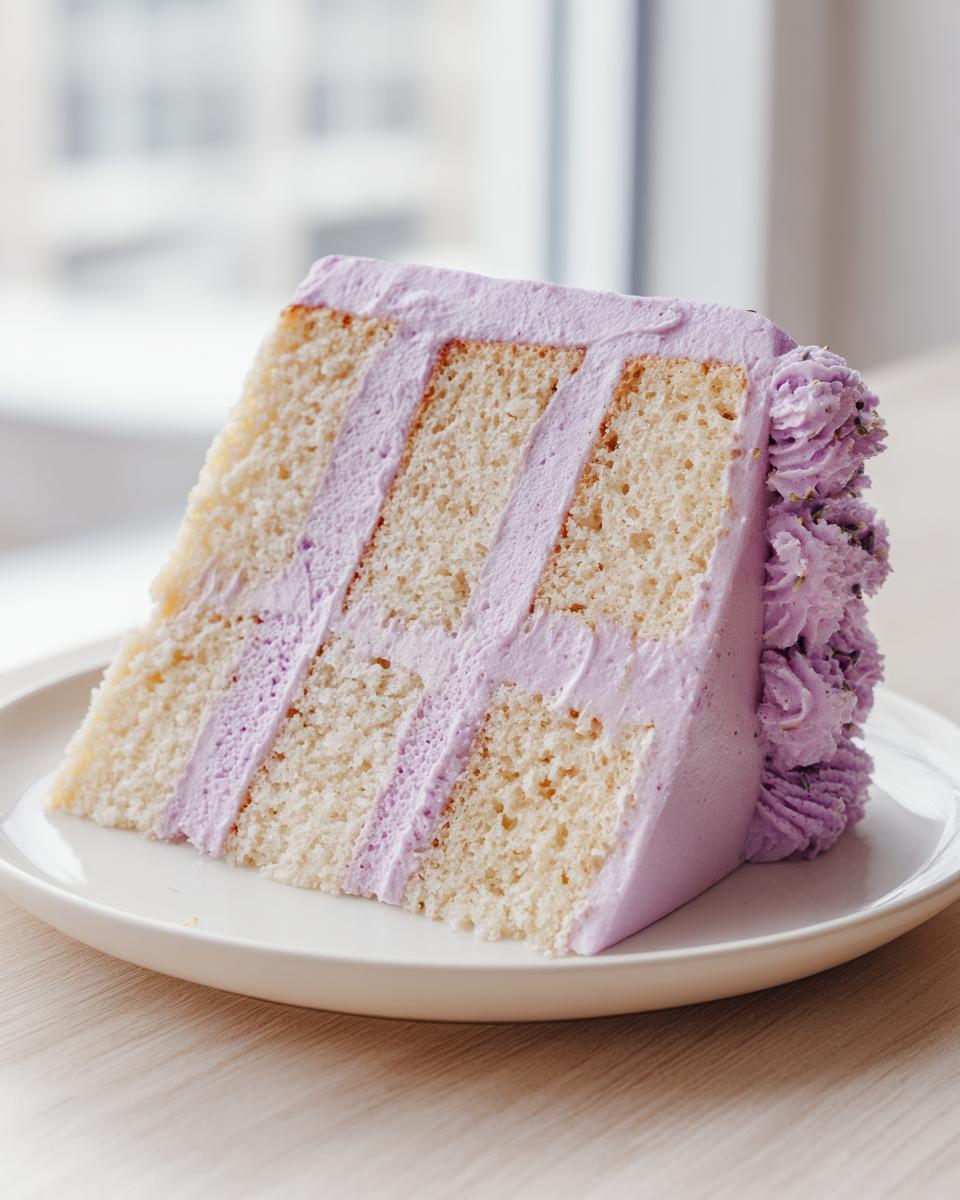
Every good bake starts with knowing exactly what you need. With delicate flavors like lavender, the quality of what you use really shines through. My number one tip here, and I cannot stress this enough, is to ONLY use culinary lavender. Seriously, skip the stuff you find in the garden center or craft aisle; we want flavor, not pesticides! This is part of making sure your lavender cake is not only delicious but perfectly safe to eat.
When you’re ready to shop, think about getting your dairy and eggs out ahead of time. Having room temperature eggs and softened butter makes such a huge difference when we start creaming everything together. It’s those little prep steps that make the difference between a good cake and a great one. If you are looking for other foundational recipes to master, I just love my standard lemon cake recipe, which uses similar layering techniques!
For the Lavender Vanilla Cake Layers
Here is what you’ll need to get those wonderfully tender layers mixed up. Remember, the lavender buds for the batter need to be ground very, very finely so you don’t get any sharp, floral bits in your slice.
- 1 3/4 cups all-purpose flour
- 1 1/2 teaspoons baking powder
- 1/2 teaspoon salt
- 1 cup (2 sticks) unsalted butter, softened – and please make sure it’s softened evenly!
- 1 3/4 cups granulated sugar
- 4 large eggs, all at room temperature; this is crucial for emulsion!
- 1 tablespoon pure vanilla extract
- 1 teaspoon culinary lavender buds, finely ground
- 1/2 cup whole milk
- 1/4 cup heavy cream
- 1 tablespoon dried culinary lavender buds (for the infusion)
For the Silky Lavender Buttercream Frosting
The frosting is where you can really push the lavender flavor a touch further. Since we are using a buttercream, we rely on having perfectly softened butter to get that fluffy texture we all love.
- 1 cup (2 sticks) unsalted butter, softened
- 4 cups powdered sugar, sifted—don’t skip the sifting!
- 1 teaspoon vanilla extract
- 1/2 teaspoon culinary lavender extract or 1 teaspoon finely ground lavender buds (for frosting)
- 1-2 tablespoons milk or heavy cream (you might only need one, start slow!)
- Pinch of salt
Step-by-Step Instructions for the Lavender Cake
Alright, let’s get baking! Making this beautiful lavender cake is all about process—breaking it down step-by-step means you won’t miss a thing, and the result will be flawless. Remember what I always tell my grandkids? Patience wins the race in baking. We’ll start with making our flavor base, which is the key element here.
Making the Flavorful Lavender Milk Infusion
This step is non-negotiable if you want that gentle floral flavor! You will need to gently heat your milk and heavy cream with the 1 tablespoon of dried culinary lavender buds in a small pot. Watch it closely; you only want it simmering lightly, no rolling boil! Right after it starts to simmer, kill the heat, cover that pot, and let it steep. I let mine sit for a full 30 minutes—that’s what extracts the perfume without making it bitter. When the time is up, strain it through a fine sieve, making sure to press down on those buds to get every drop of flavored liquid out. Then, you just set that liquid aside. It absolutely must be cool before we use it in the cake batter, so plan ahead!
Mixing and Baking the Moist Lavender Cake Batter
First thing, get your oven preheated to 350°F (175°C). Make sure those two 8-inch pans are greased, floured, and have parchment circles on the bottom. That way, we know they’ll release perfectly when they cool! In one bowl, whisk your flour, baking powder, and salt. Set that aside.
Now for the wet stuff! Cream that softened butter and the full amount of sugar until it looks fluffy and pale—this takes a couple of minutes, but those air bubbles are your friend. Beat in your eggs one at a time, then mix in the vanilla and the finely ground lavender buds. Now, here is the rhythm: Add the dry ingredients mixture and the cooled lavender milk mixture alternately, starting and finishing with the dry stuff. This keeps everything nice and smooth. Mix only until the streaks disappear; seriously, stop mixing! Overmixing is the quickest way to ruin a beautiful Moist Lavender Cake. Divide that batter evenly between your pans and bake for about 28 to 32 minutes. Test it with a wooden pick in the center; if it comes out clean, they are done! Let them chill in the pans for ten minutes before flipping them out to cool completely on a wire rack. We can’t frost warm cakes, or the buttercream just melts into a puddle!
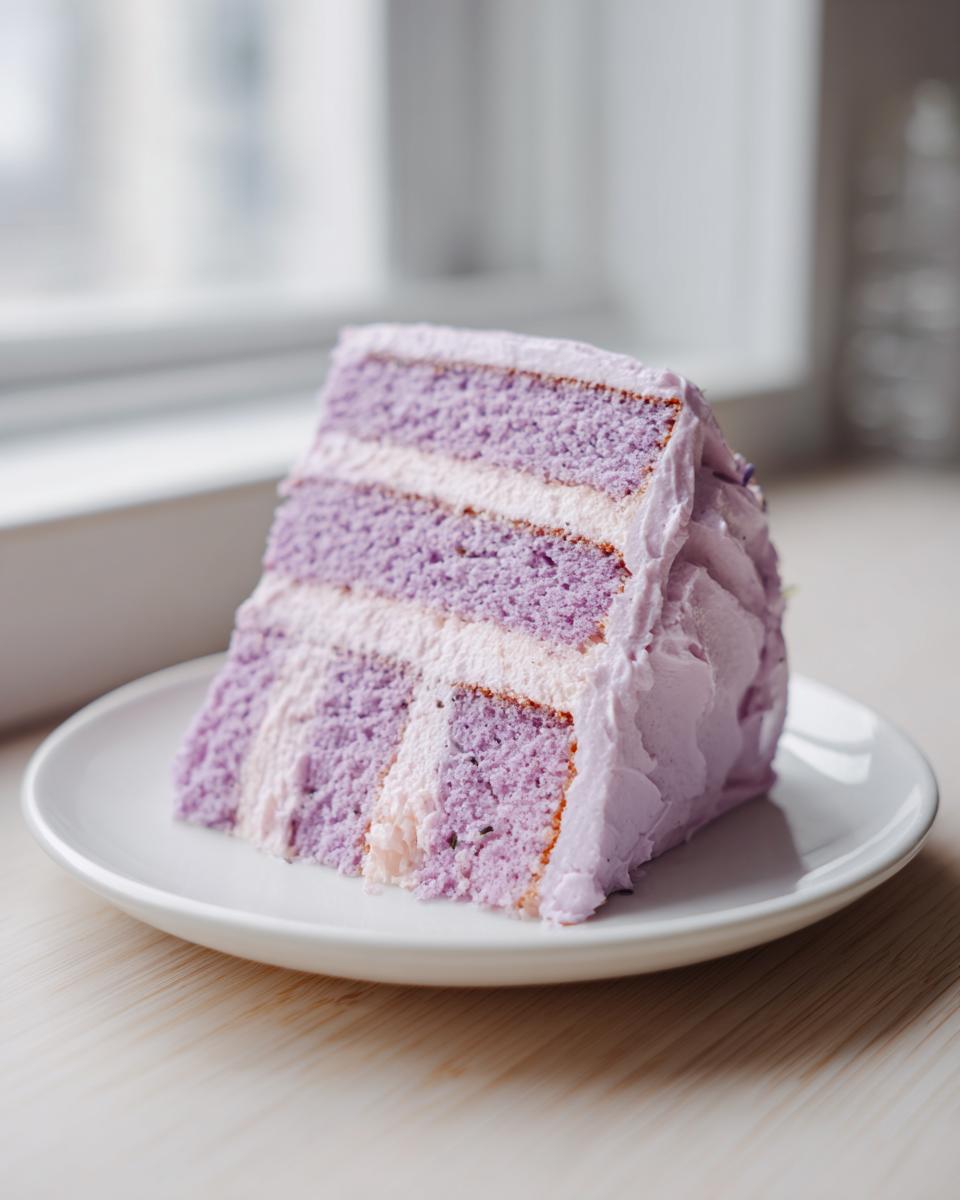
For more tips on getting that perfect cake crumb, you can always look over my classic vanilla cake recipe instructions!
Creating the Perfect Lavender Buttercream Frosting
While those layers are cooling off, let’s whip up the frosting. Beat your softened butter until it’s really smooth. Then, start adding the sifted powdered sugar slowly while the mixer is on low. Once it’s incorporated, crank it up a bit. Add your vanilla, your lavender flavoring (use the extract if you want it super smooth, or the ground buds if you want more texture), and that tiny pinch of salt. The key to getting that silky, spreadable consistency we want for the final layer is adding the milk or cream just a teaspoon at a time until it’s perfect. If you add too much liquid at once, you’ll be whisking in more sugar, and nobody has time for that!
Tips for Baking with Culinary Lavender
Now that you have the recipe, I want to talk a little more about using lavender itself. It’s such a fun, unique ingredient to bring into your Aromatic Cake Recipes, but you have to treat it right! Sourcing is everything; like I mentioned, stick to culinary lavender. It’s grown specifically for flavor, and you’ll find it’s much milder than the highly perfumed decorative kinds you might pick up somewhere else.
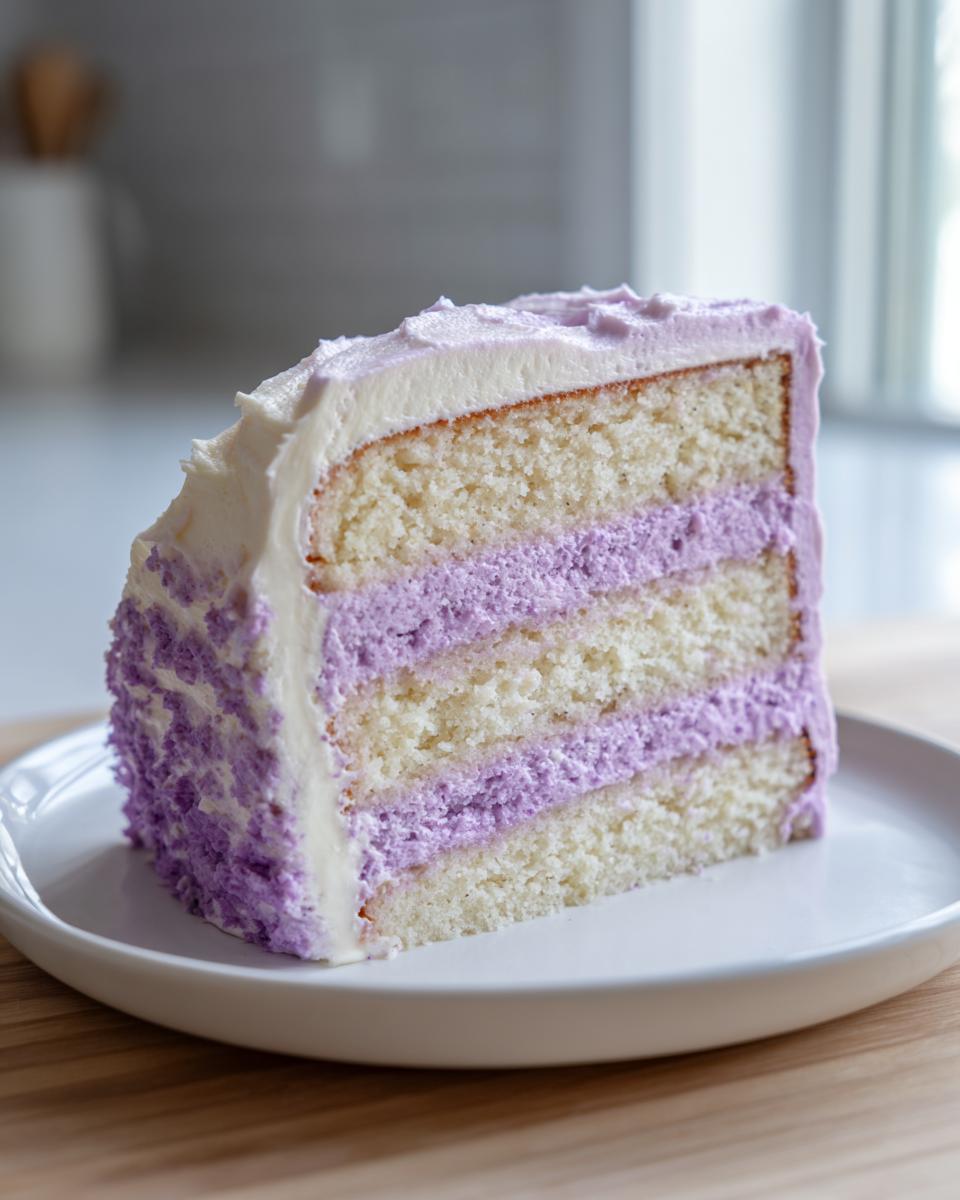
When it comes to dosage, less is truly more. Lavender is potent! Start small, especially if you’re new to it. If you find the flavor too mild in the cake, you can try a little drizzle of honey alongside it next time, which pairs beautifully!
For a taste twist on this recipe, don’t forget you can introduce a little zing. If you swap out some of that milk for fresh lemon juice and toss in some zest, you get a wonderful Honey Lavender Dessert flavor profile in a different way. For other great ideas utilizing honey and lavender together, you should certainly take a peek at this honey lavender cake!
Ingredient Notes and Flavor Swaps
Let’s talk about the frosting for a moment. I gave you both options—extract or ground buds—and it really comes down to texture preference. If you want that super silky, smooth finish, the extract is your best bet. It dissolves right in. But, if you really want that authentic, subtle plant flavor in every bite of the Lavender Buttercream Frosting, use the finely ground buds. Don’t grind them too fine, though; we want the flavor, but a little visible speckle is nice!
And don’t forget the lemon option I put in the notes! A little lemon zest mixed right into the batter brightens up the whole thing and makes it perfect for spring baking. It’s an easy way to customize this delicious lavender cake.
Serving Suggestions for This Floral Dessert
A cake this pretty and fragrant deserves a good setting! This isn’t just an everyday dessert; it feels incredibly elevated, making it perfect for those Special Occasion Cakes we all love to host.
I think this lavender cake is absolutely made for a spring garden party or an elegant afternoon tea. Imagine setting this out alongside some crisp little lemon scones—I have a lovely recipe for those right here if you need a side treat! The gentle floral notes pair wonderfully with light fare.
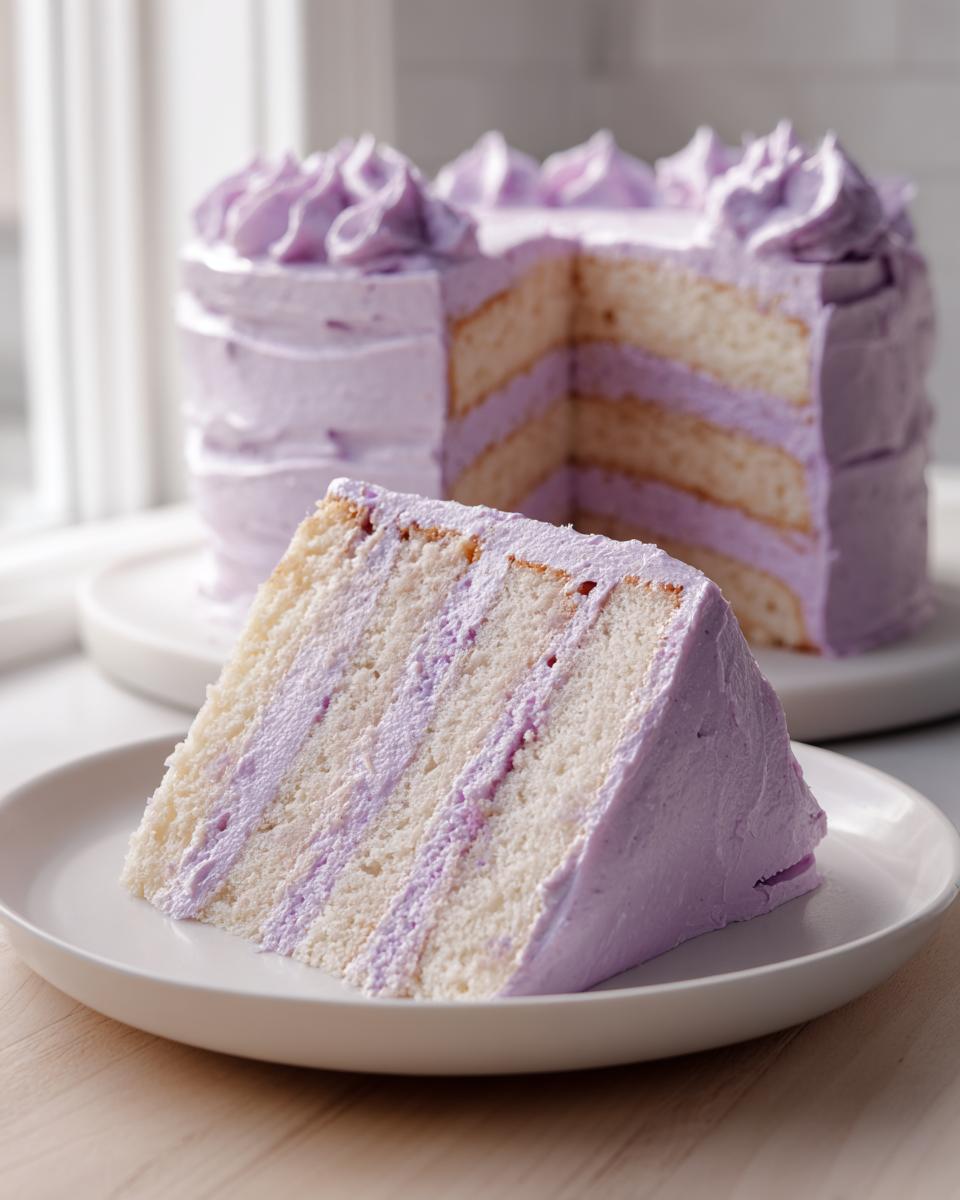
When it comes to presentation, don’t overthink it, but do make it shine! If you’ve used a beautiful lavender buttercream, the cake looks fantastic just as it is. However, a few simple garnishes make all the difference for those gorgeous photos. Sprinkling a few fresh, food-safe lavender sprigs right on top really drives home the aroma and the beauty of the cake.
If you went with the lemon variation I mentioned, you must use thin slices of fresh lemon on top! It visually tells everyone what wonderful zesty flavor is waiting for them inside. This cake is always a hit for brunches or celebrations. For another take on a bright citrus pairing, take a look at this gorgeous Lemon Lavender Cake idea!
Storing and Keeping Your Cake Fresh
Now that you’ve gone to all the trouble of making the best lavender cake, you certainly want to make sure it tastes just as wonderful the next day! Thankfully, this cream-based frosting holds up really well, but handling it correctly is key to keeping that vanilla and lavender aroma bright.
The big question is always: fridge or counter? Since this cake uses a good amount of butter in the frosting, many people worry it needs to be refrigerated. However, I usually recommend keeping it on the counter if you plan to eat it within two or three days. Cold temperatures can mute those subtle floral notes we worked so hard to capture in the milk infusion.
If you are keeping it at room temperature, just make sure it’s covered tightly. A cake dome works perfectly, or you can gently place plastic wrap over the top, being careful not to smoosh the frosting. Store it in a cool spot, away from direct sunlight or anything warm, like the stove.
If you need to keep it longer—say, five to seven days—then the refrigerator is the safer bet to prevent any spoilage. Just remember this important trick: You absolutely must let the cake sit out for at least an hour, preferably an hour and a half, before serving it again. Letting it sit on the counter brings the butter back up to room temperature. That time is crucial because if you serve it cold, the butter in both the cake crumb and the frosting will be hard, and you lose that beautiful, moist lavender cake texture.
I’ve never personally tried freezing this one, but I imagine it would do fine if wrapped extremely well in plastic wrap first, and then a layer of foil. If you freeze it, thaw it overnight in the refrigerator before letting it come to room temperature for serving. Enjoy every fragrant bite!
Common Questions About Aromatic Cake Recipes
It’s natural to have questions when you’re trying out a new flavor profile like this one. Floral baking is special, and I always want you to feel confident walking into the kitchen. That’s why I put together answers to the things people ask me most often about these Aromatic Cake Recipes. If you’re comfortable with standard cakes, you’ll be just fine here!
Can I use dried lavender directly in the batter without grinding?
Oh, goodness, please don’t! If you put whole, dried buds directly into the batter, they can be quite sharp and feel overpowering when you bite into them. Plus, they don’t release their flavor as evenly as they should. My rule of thumb is to always grind them down in a spice grinder or with a mortar and pestle until they are almost like a fine powder, especially for the cake layers. You want that floral essence dispersed gently, not spotted!
What makes this different from a Lemon Lavender Cake?
That’s a great question! This recipe, the Lavender Vanilla Cake, is built around the soft, sweet pairing of vanilla and lavender. It’s milder and lets the vanilla really shine through the floral notes. A Lemon Lavender Cake, on the other hand, uses lemon juice and zest to add a bright, sharp citrus element. Both are lovely, but this one is leaning toward cozy and comforting, whereas the lemon version is more zesty and tart. If you love citrus, you might want to try the suggested variation in the notes!
Can I make this recipe into a sheet cake?
You absolutely can, and it makes for lovely, easy-to-serve Special Occasion Cakes! Since you’re shifting the depth of the batter, you have to watch your baking time closely. If you pour this recipe into a standard 9×13 inch pan, it will be much shallower than those 8-inch rounds. Where the rounds took about 30 minutes, you might find the sheet cake is done in closer to 25 minutes. Start checking it at the 20-minute mark. You’ll want to make sure the center is set and that your beautiful frosting still has a nice, flat area to spread over evenly!
If you ever want to compare flavor profiles, bakers who love this style also rave about the Earl Grey versions, like the London Fog Cake. It’s another wonderful Tea Infused Cake idea!
Nutritional Estimates for This Dessert
Now, I know most of us in the home kitchen aren’t sending our recipes off to a lab, and frankly, that’s just fine! When we’re baking for love and comfort, the numbers aren’t the main focus, are they? But it’s smart to have an idea of what’s in that beautiful slice of lavender cake you’re serving up.
The figures below are based on dividing the entire cake recipe into 10 generous servings. Remember, these are just estimates, sweet friend. If you use a little extra butter in the pans or swap out milk for cream in the frosting, the numbers will shift a bit. Think of these as a helpful guideline, not a strict rulebook!
- Serving Size: 1 slice
- Calories: Approximately 450
- Sugar: Around 55g (That’s the sweet goodness!)
- Sodium: About 210mg
- Fat: 24g total
- Saturated Fat: 15g
- Carbohydrates: 58g
- Protein: 5g
The richness comes from the quality butter and eggs we use, which are the foundation of any good cake. Enjoy that slice knowing it was made with care and love, which is always the best ingredient!
Share Your Baking Creations
There is nothing that brings me more joy than knowing you’ve taken one of my family recipes and made it your own in your kitchen. When you bake this delicate lavender cake, I truly want to see it! It’s a showstopper, and I bet the way you decorated it—maybe with fresh berries or a drizzle of honey—is just stunning.
Please take a moment when you finish your layers and frosting to snap a picture. You can find me over on social media, and I always check the tags! Share your results, and let me know how the vanilla and lavender balance worked for your family. Did you add that little optional zest of lemon?
When you try the recipe, come back here and leave a star rating. Those ratings help other home cooks feel confident trying something new, like these wonderful Floral Dessert Ideas. Knowing that you trust my directions means the world to me, just like when my grandchildren ask for my dinner recipes.
If you are looking for even more sweet ideas to try after this one, I’ve compiled a whole list of my favorites in my best dessert recipes collection. And I always love seeing different takes on the classic flavor combinations, so don’t forget to check out what others are doing with their Vanilla Lavender Cake attempts too!
PrintLavender Vanilla Layer Cake with Lavender Buttercream Frosting
You will make a sophisticated, moist layer cake featuring the delicate floral notes of culinary lavender balanced with classic vanilla. This recipe includes a silky lavender buttercream frosting, perfect for special occasions or afternoon tea.
- Prep Time: 30 min
- Cook Time: 32 min
- Total Time: 1 hour 42 min
- Yield: 10 servings 1x
- Category: Dessert
- Method: Baking
- Cuisine: American
- Diet: Vegetarian
Ingredients
- 1 3/4 cups all-purpose flour
- 1 1/2 teaspoons baking powder
- 1/2 teaspoon salt
- 1 cup (2 sticks) unsalted butter, softened
- 1 3/4 cups granulated sugar
- 4 large eggs, room temperature
- 1 tablespoon pure vanilla extract
- 1 teaspoon culinary lavender buds, finely ground
- 1/2 cup whole milk
- 1/4 cup heavy cream
- 1 tablespoon dried culinary lavender buds (for infusion)
- 1 cup (2 sticks) unsalted butter, softened (for frosting)
- 4 cups powdered sugar, sifted
- 1 teaspoon vanilla extract (for frosting)
- 1/2 teaspoon culinary lavender extract or 1 teaspoon finely ground lavender buds (for frosting)
- 1–2 tablespoons milk or heavy cream (for frosting consistency)
- Pinch of salt (for frosting)
Instructions
- Prepare the lavender infusion: Gently heat the milk and heavy cream with 1 tablespoon of dried lavender buds in a small saucepan until just simmering. Remove from heat, cover, and let steep for 30 minutes. Strain the milk mixture through a fine-mesh sieve, pressing on the solids to extract flavor. Discard the buds. Let the infused milk cool completely.
- Preheat your oven to 350°F (175°C). Grease and flour two 8-inch round cake pans. Line the bottoms with parchment paper.
- In a medium bowl, whisk together the flour, baking powder, and salt. Set aside.
- In a large bowl, cream the softened butter and granulated sugar together until light and fluffy, about 3-4 minutes.
- Beat in the eggs one at a time, mixing well after each addition. Mix in the vanilla extract and the 1 teaspoon of finely ground lavender buds.
- Gradually add the dry ingredients to the wet ingredients, alternating with the cooled lavender-infused milk mixture, beginning and ending with the dry ingredients. Mix until just combined; do not overmix.
- Divide the batter evenly between the prepared cake pans. Bake for 28 to 32 minutes, or until a wooden pick inserted into the center comes out clean.
- Let the cakes cool in the pans for 10 minutes before inverting them onto a wire rack to cool completely.
- Make the Lavender Buttercream Frosting: In a large bowl, beat the 1 cup of softened butter until smooth. Gradually add the sifted powdered sugar, mixing on low speed until incorporated.
- Add the vanilla extract, lavender extract (or ground lavender), and a pinch of salt. Beat on medium speed until smooth. Add milk or cream, one teaspoon at a time, until you reach a smooth, spreadable consistency.
- Once the cakes are completely cool, place one layer on a serving plate. Spread about one-third of the frosting evenly over the top. Place the second layer on top. Frost the top and sides of the entire cake.
Notes
- For the best floral flavor, use high-quality culinary lavender. Do not use craft lavender.
- You can substitute the lavender extract in the frosting with 1/2 teaspoon of finely ground lavender buds for a more natural flavor, but be aware the texture will be slightly less smooth.
- If you prefer a lemon accent, substitute 1/4 cup of the milk with fresh lemon juice and add 1 teaspoon of lemon zest to the cake batter.
Nutrition
- Serving Size: 1 slice
- Calories: 450
- Sugar: 55g
- Sodium: 210mg
- Fat: 24g
- Saturated Fat: 15g
- Unsaturated Fat: 9g
- Trans Fat: 0.5g
- Carbohydrates: 58g
- Fiber: 1g
- Protein: 5g
- Cholesterol: 95mg