

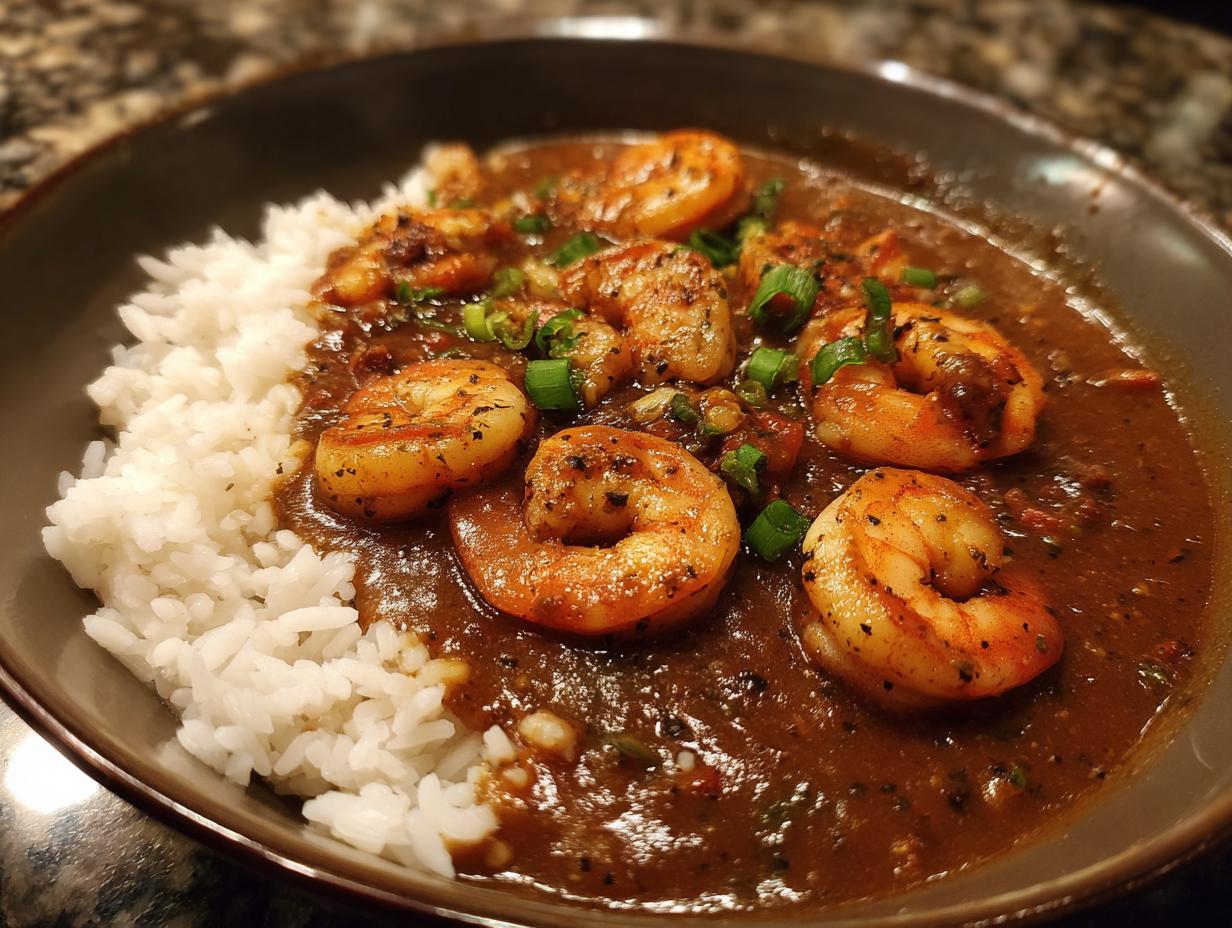
There’s just something magical about proper Southern cooking, isn’t there? It wraps you up like a warm quilt on a chilly evening. If you’ve been searching for that deep, soulful flavor that only comes straight from Louisiana, you’ve found it. Today, we are tackling shrimp etouffee—not a quick version, but the real deal, built around mastering the roux. As a former teacher, I promise to walk you through this technique with all the patience you need. Don’t you worry if you’re new to this; we’ll get that perfect, dark, rich sauce together, step by delicious step. This authentic recipe tastes like home and deserves a spot on your table. If you’d like to know more about my philosophy in the kitchen, you can always check out my About Page.
- Why This Authentic Shrimp Etouffee Recipe Delivers True New Orleans Cuisine
- Gathering Ingredients for Your Flavorful Seafood Dinner
- How to Make Roux for Etouffee: The Secret to Classic Cajun Recipe Flavor
- Step-by-Step Instructions for Perfect Shrimp Etouffee
- Tips for Success Making the Best Shrimp Etouffee
- Serving Suggestions for Your Shrimp and Rice Dish
- Storage and Reheating Instructions for Shrimp Etouffee
- Frequently Asked Questions About Making Shrimp Etouffee
- Estimated Nutritional Data for This Shrimp Etouffee
- Share Your Homemade Etouffee Sauce Experience
Why This Authentic Shrimp Etouffee Recipe Delivers True New Orleans Cuisine
When you crave a taste of Louisiana, you aren’t looking for shortcuts; you are looking for tradition. That’s exactly what this Authentic Shrimp Etouffee delivers. The difference between a good dish and a New Orleans Cuisine legend lies entirely in the base. For us, that base is the roux. It’s the hard work, the patience, and the deep color of that roux—dark as Hershey’s chocolate—that locks in all the vibrant, soulful flavor people expect. If you want to see how other cooks handle their classic versions, check out this inspiring recipe for more ideas.
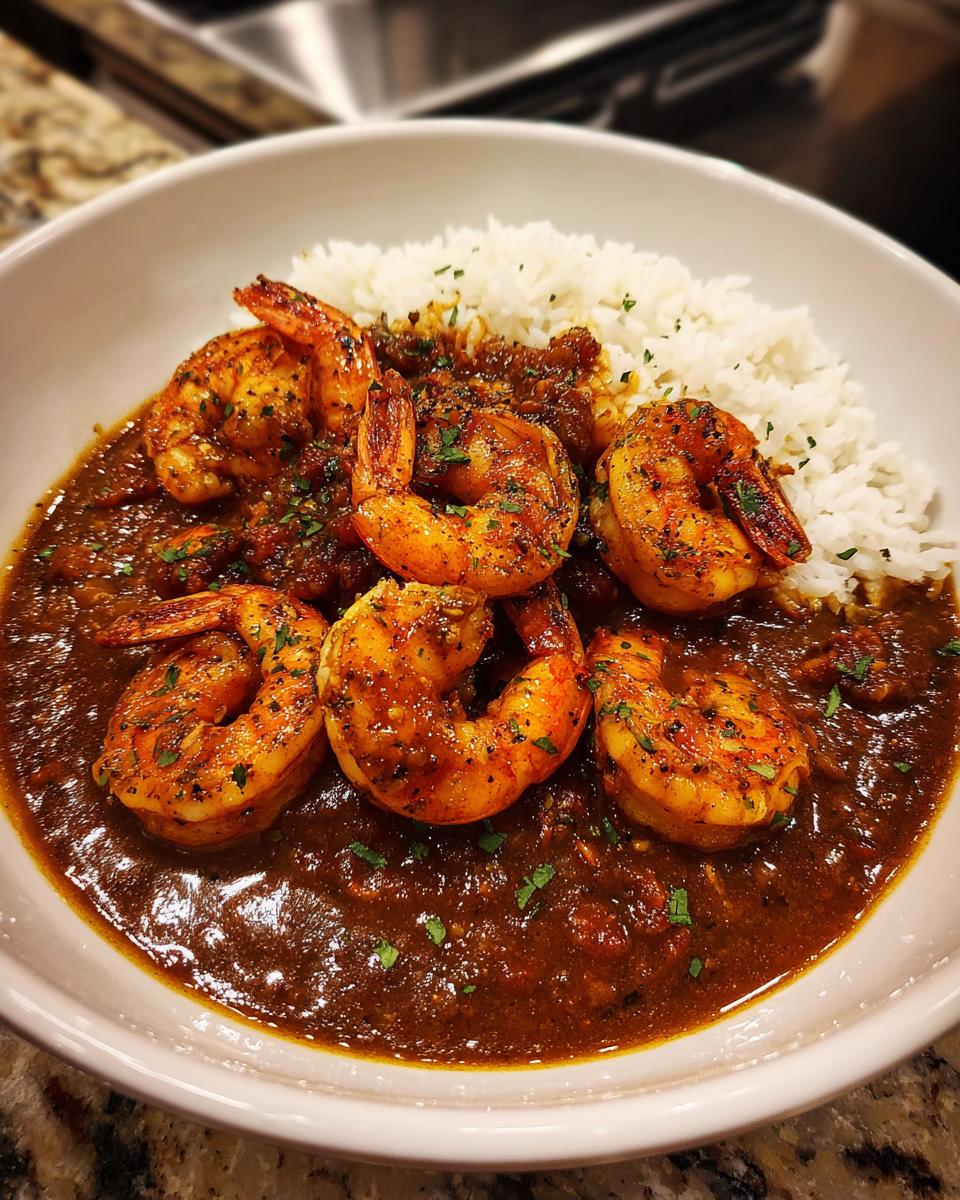
Trust me on this; I’ve made enough batches to know when it’s right. This Classic Cajun Recipe is dependable, and once you master that initial step, the rest of the process just flows beautifully. We focus on time-tested methods, just like you’d find from great cooks down on the bayou.
The Comfort of Creole Comfort Food
Etouffee is pure hug in a bowl. It’s that warm, satisfying feeling of a Rich Seafood Stew served right over fluffy rice. It might feel elegant enough for a special celebration, but honestly, it’s the ultimate Creole Comfort Food for any busy weeknight, especially when Mardi Gras season rolls around and you need that splash of celebration!
Gathering Ingredients for Your Flavorful Seafood Dinner
Before we even think about turning on the stove, let’s talk about what you need to pull together this truly Flavorful Seafood Dinner. Remember, great shrimp etouffee starts right here with quality ingredients. I’ve noted everything below clearly so there are no surprises when you start cooking. The quality of your shrimp absolutely matters, so try to get fresh, large ones if you can, but the ones listed will work wonders as long as they are properly thawed and dry before they hit that sauce.
And whatever you do, don’t skip that step of patting the shrimp dry! It helps them develop a nice texture instead of just steaming in the pot. If you enjoy quick shrimp meals, I always share my Sheet Pan Shrimp Fajitas for faster weeknight fixes, but today we move slow and steady.
Ingredient Notes and Substitutions for Shrimp Etouffee
We rely on the holy trinity here: onion, bell pepper, and celery. Make sure they are all chopped uniformly so they soften nicely together; no giant chunks allowed! If you don’t have shrimp broth on hand—and goodness knows I don’t always—good quality chicken broth works just fine as a backup. It won’t be 100% seafood-forward, but it won’t ruin that wonderful roux we just worked so hard on.
For flavor, cayenne is your heat control. If you’re nervous about spice, start with half what I listed, maybe just a pinch, and taste as you go. You can always add heat, but try taking it out once it’s in there—that’s a tough fix!
How to Make Roux for Etouffee: The Secret to Classic Cajun Recipe Flavor
Alright, deep breaths now, because this is where the magic—and the main difference between okay and absolutely amazing shrimp etouffee—happens. Learning How to Make Roux for Etouffee is essential if you want that true Classic Cajun Recipe depth. We need to cook the flour and oil slowly, slowly, slowly. I tell my grandkids this is my kitchen meditation time—you cannot rush it, and you absolutely cannot walk away!
Keep your heat steady, right around medium, and whisk constantly. If you’re new to this, think of this as a Beginner Roux Tutorial in real life! We are talking 20 to 35 minutes of stirring until you hit that deep, beautiful milk chocolate color. If you use this technique, you’ll get the richest, darkest base possible, which means your final sauce will sing with flavor. If you’re following along online, you can look up visual guides like this one for color reference, but trust your eyes!
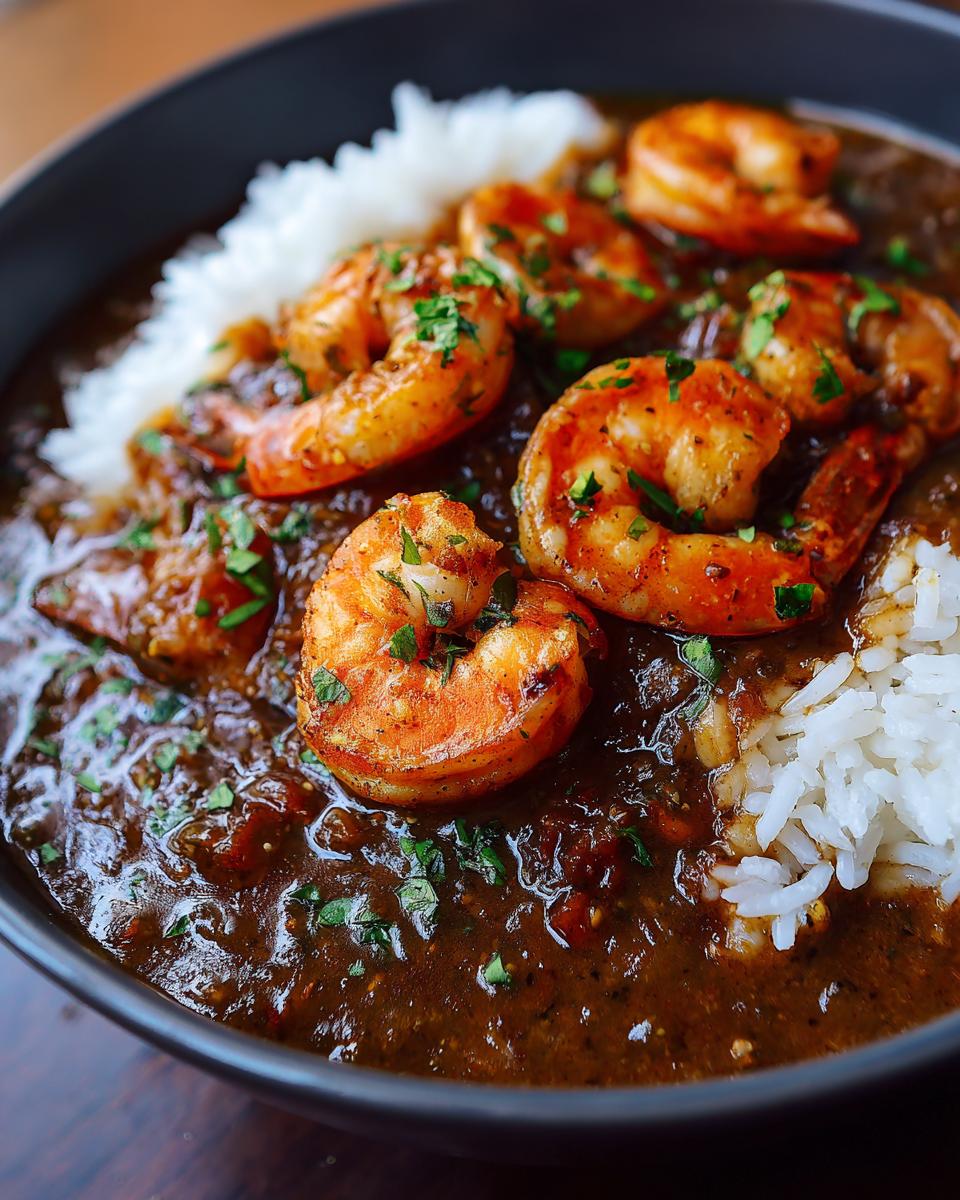
The minute you hit that perfect dark color, you get ready to drop in your holy trinity vegetables to stop the cooking process immediately. You can’t stress enough how important this patience is for achieving that signature deep flavor. I even use the same heavy pot I use for my Alfredo sauce because it holds heat so evenly!
Step-by-Step Instructions for Perfect Shrimp Etouffee
Now that we have that gorgeous, dark roux, it’s time to bring everything together into that deep, satisfying sauce. Don’t worry if you feel like you’re moving fast here—the moment the vegetables hit that hot roux, it stops cooking, which is exactly what we want. We are going straight from our beautiful base into building the heart of this shrimp etouffee. Think of this process as layering flavors, like stacking blocks to build a strong tower!
Building the Homemade Etouffee Sauce Base
First up is the holy trinity: onion, pepper, and celery. Get those veggies into the hot roux immediately and stir them gently for about five to seven minutes until they are soft and fragrant; this knocks the raw edge off them. Once they soften, you add your dried thyme, garlic, salt, pepper, and cayenne. Give that a quick minute to bloom before you start adding liquids. This is where you start seeing the beginnings of your Homemade Etouffee Sauce.
When adding your broth, go slowly! I mean slowly. Whisk in the broth a bit at a time, making sure it blends smoothly into the roux before adding more. We don’t want any lumps sticking around. Stir in those diced tomatoes last, then bring the whole pot up to a gentle simmer. This part—the simmering before the shrimp—is non-negotiable! Let it bubble quietly, partially covered, for a good solid 30 minutes. That time allows the roux to completely melt into the background and let those Cajun flavors really marry together. You can find some other great simmering tips over here if you like one-pan meals.
Simmering and Finishing Your Shrimp Etouffee
After that beautiful 30-minute simmer, your sauce should smell incredible and look deeply colored. Now for the shrimp—and pay close attention here! Drop the prepared shrimp right into that simmering liquid. They cook so fast, usually just three to five minutes total. We are looking for them to turn pink and firm up, but please, resist the urge to let them sit longer! Overcooked shrimp turn rubbery, and we want tender morsels in this rich seafood stew.
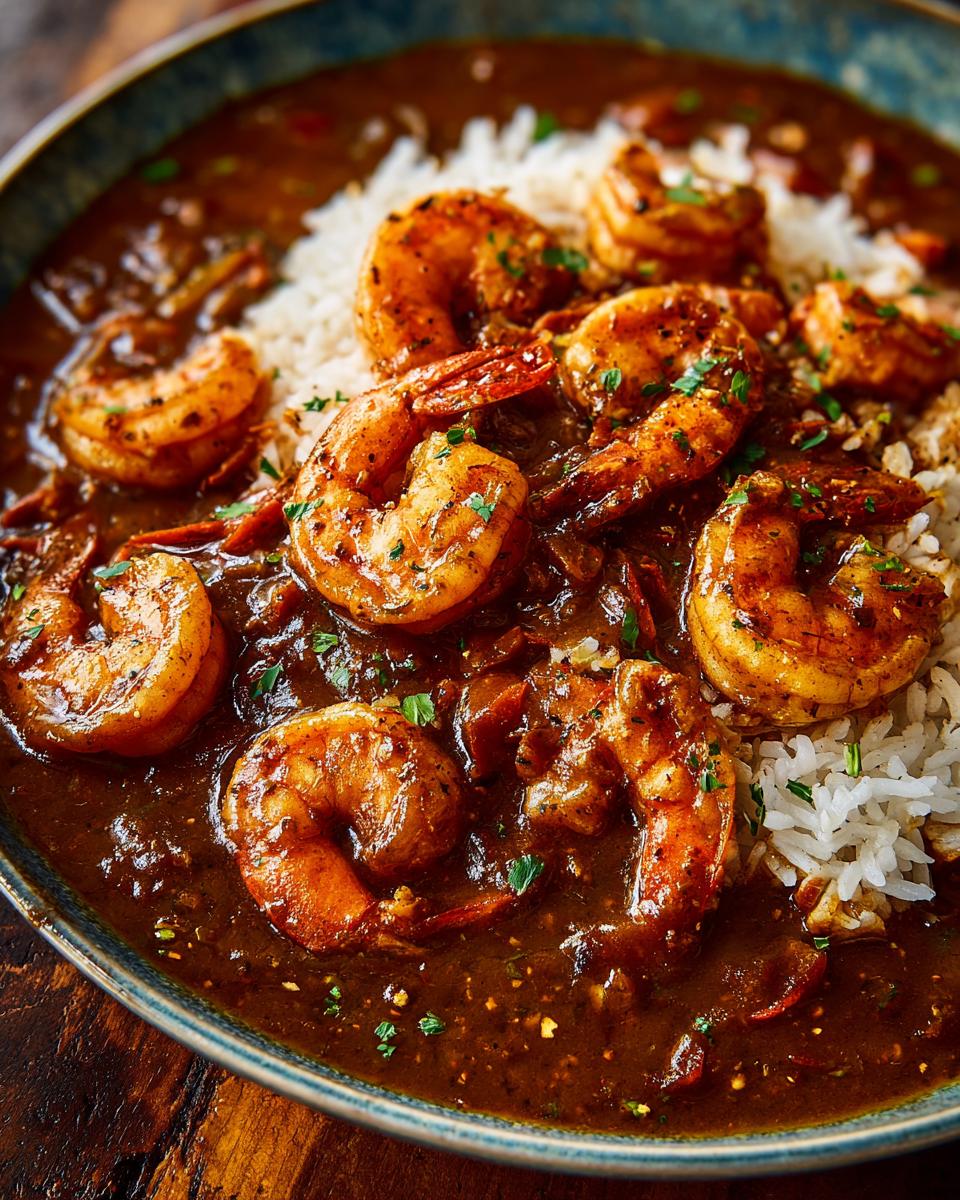
Once they are done, pull out that bay leaf—it’s done its job! Taste the sauce and adjust the salt or cayenne if you need more kick. Serve it immediately over fluffy rice! For more inspiration on building classic flavor profiles, take a look at these great tips from BerryChefy.
Tips for Success Making the Best Shrimp Etouffee
I want you all to feel confident serving up this shrimp etouffee, so let’s review the two most common worry spots. First, that roux! If you see black specks start to form while you’re stirring, that means it’s burning, my dear. Pull the pot off the heat immediately and try to whisk out the burnt bits, or just start over if it looks too far gone. It’s better to be safe than sorry when aiming for that deep color.
Second, watch those shrimp like a hawk once they go in. They are delicate! Three minutes is often plenty. Remember what I always say: leftovers are your friend when it comes to flavor depth. This dish tastes even more robust the next day, so don’t hesitate to make it before a big gathering—it’s one less thing to worry about on the day of!
If you want to see how other cooks manage their timing, check out some ideas here for handling classic etouffee. And while you’re planning your meal, don’t forget a delicious side, like my Honey Butter Skillet Corn!
Serving Suggestions for Your Shrimp and Rice Dish
You did it! You have created the most beautiful, rich, and flavorful shrimp etouffee sauce imaginable. But where does the magic truly meet the plate? It has to be over rice, plain and simple. This isn’t just something we do down south; this is how the dish is meant to be enjoyed! You need that neutral canvas of hot, fluffy white rice to soak up every last drop of that deeply seasoned sauce. Don’t skimp on getting the rice cooked nice and separate—no one wants gummy rice here!
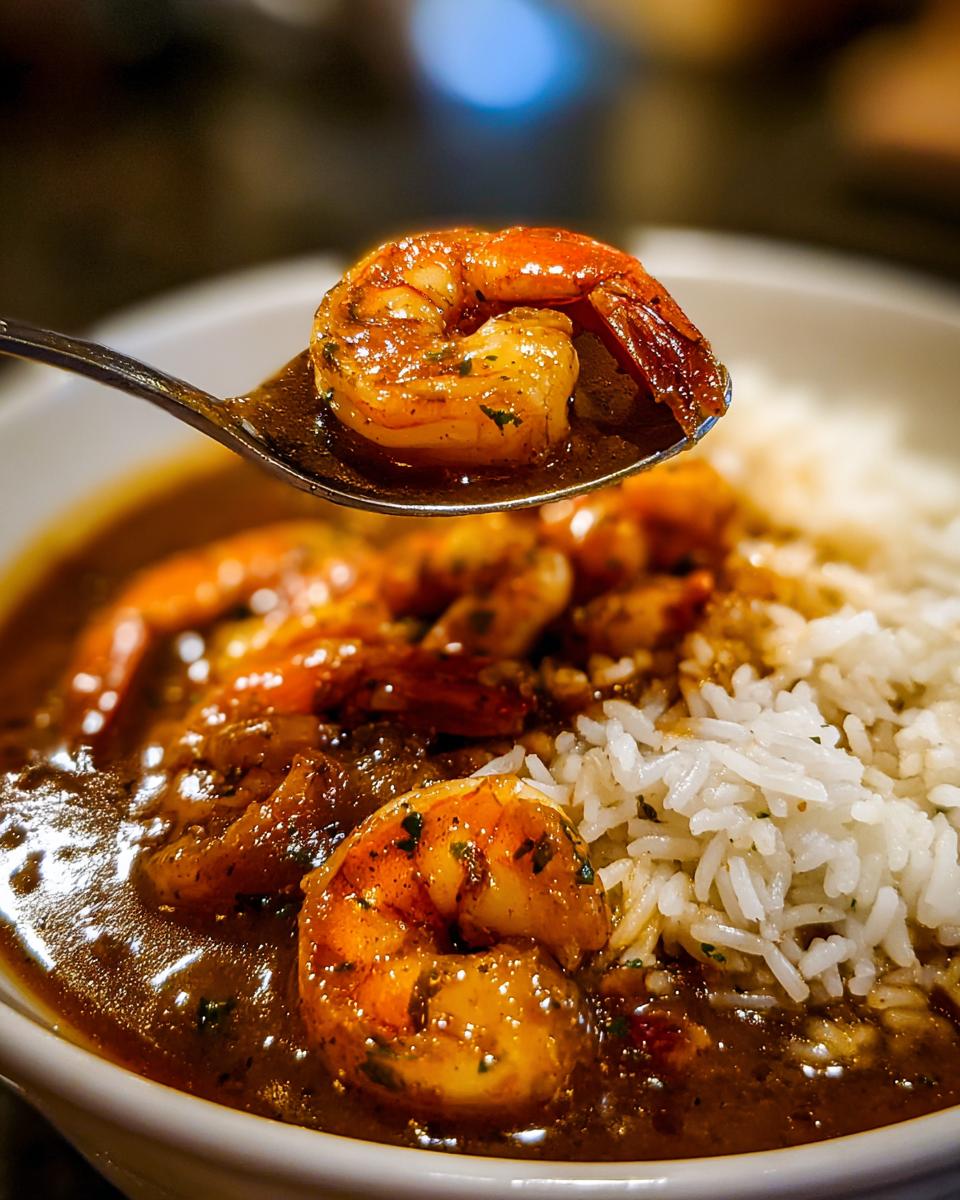
Once you spoon that glorious stew over the rice, the final touch is that bright sprinkle of fresh parsley. It brings a nice little pop of color, which is important even for humble comfort food. Honestly, this dish stands strong all by itself, but if you’re building a veritable feast of Southern Cooking Classics, consider pairing it with something simple alongside it, like my Slow Cooker Black-Eyed Peas. That pairing is just pure Southern goodness on a table!
Storage and Reheating Instructions for Shrimp Etouffee
Good news! This shrimp etouffee is actually better the next day, so don’t be afraid to make a big batch when you’re planning for those upcoming Mardi Gras Recipes or big family dinners. Once it’s completely cooled, just store your leftovers in an airtight container in the refrigerator for up to three days. When you’re ready to eat it again, reheat it gently on the stovetop over low heat. That slow, low heat is key—we want to warm everything through without shocking or toughening up those lovely shrimp we cooked so carefully!
If you’re looking for other great dishes you can make ahead in the slow cooker, I’ve got a lovely recipe for Crockpot White Chicken Chili that is perfect for prepping ahead of time!
Frequently Asked Questions About Making Shrimp Etouffee
I know embarking on a classic recipe like this can bring up a few last-minute worries! That’s completely normal. Teaching baking and cooking for so many years showed me that the best cooks are the ones who aren’t afraid to ask questions. Here are a few common things I hear folks wonder about when they are perfecting their shrimp etouffee.
What if my roux burns while making shrimp etouffee?
Oh goodness, we’ve all been there! If you see black specks floating in your oil and flour mixture—that dreaded moment when the color goes from beautiful dark brown to charcoal—you need to stop stirring immediately. If it’s just a tiny bit scorched, take the pot off the heat right away, give it a vigorous whisk, and try to lift those burned bits out with a spoon. Honestly though, if you see significant black grit, your safest bet is always to toss that batch and start fresh. A burnt roux will taste bitter, and that’s a flavor we just can’t hide in a rich sauce like this one.
Can I use frozen shrimp in this Classic Cajun Recipe?
Yes, you absolutely can use frozen shrimp! I often keep a bag of them on hand for unexpected nights when I need a quick shrimp etouffee. The most important thing is the thawing process. Do *not* just drop them into the hot pot—they need to be completely thawed first. I place them in a colander in the sink under cool running water, or you can put them in a bowl of cold water and change the water every 15 minutes until they are pliable. Once thawed, pat them very, very dry with paper towels before seasoning and adding them to the sauce. Drying them prevents the sauce from getting watered down when you cook them!
How spicy should my finished Creole Comfort Food be?
This is entirely up to your family’s preference! The cayenne pepper in the recipe is my baseline for a pleasant kick—it gives you warmth without making you sweat. If you love heat, feel free to add an extra shake of cayenne or, even better, add a few dashes of your favorite Louisiana hot sauce right at the very end, along with the salt check. If you are nervous at all, start small. Remember, we are aiming for flavorful, not necessarily fire-breathing! If you enjoy bold flavors, you’ll find this Creole Comfort Food sings best with a little spice!
If you want to try another favorite that lets you practice those slow-cooking skills used in my Chicken and Dumplings, this recipe is a great place to start!
Estimated Nutritional Data for This Shrimp Etouffee
Now, before we wrap up, I always like to give everyone a ballpark idea of the nutrition in our shrimp etouffee. Keep in mind these numbers are just estimates based on the ingredients listed, and they do *not* account for the rice you serve it over! A single serving (without rice) runs around 380 calories, with about 18 grams of fat and a hearty 30 grams of protein. It’s got about 25 grams of carbohydrates, too. That’s a whole lot of satisfying flavor packed in there!
Share Your Homemade Etouffee Sauce Experience
Wow, you made it! You tackled that dark roux, you simmered that savory sauce, and you served up a beautiful bowl of shrimp etouffee. Now, I’d love to hear all about it! Did your roux turn out that perfect milk chocolate color? Please head down to the comments section and leave a rating for this recipe. I truly enjoy seeing your successes and hearing how this classic comfort food made its way to your dinner table. If you have any final questions or want to send me a picture of your masterpiece, you can always reach out via my Contact Page. Happy cooking, everyone!
PrintAuthentic New Orleans Shrimp Etouffee

Make a rich, flavorful Shrimp Etouffee using this step-by-step guide, focusing on building a deep, classic Cajun roux for true New Orleans flavor.
- Prep Time: 20 min
- Cook Time: 50 min
- Total Time: 70 min
- Yield: 4 servings 1x
- Category: Dinner
- Method: Stovetop Simmering
- Cuisine: Cajun/Creole
- Diet: Low Fat
Ingredients
- 1 pound large shrimp, peeled and deveined
- 1/2 cup all-purpose flour
- 1/2 cup vegetable oil
- 1 large yellow onion, chopped
- 1 green bell pepper, chopped
- 2 celery stalks, chopped
- 3 cloves garlic, minced
- 1 (14.5 ounce) can diced tomatoes, undrained
- 2 cups shrimp or chicken broth
- 1 teaspoon dried thyme
- 1 bay leaf
- 1/2 teaspoon cayenne pepper (adjust to taste)
- 1/4 teaspoon black pepper
- 1 teaspoon salt (adjust to taste)
- 1/4 cup chopped fresh parsley, for garnish
- Hot cooked white rice, for serving
Instructions
- Prepare the shrimp: If using frozen shrimp, thaw them completely. Pat the shrimp dry and set them aside.
- Make the roux: In a heavy-bottomed pot or Dutch oven, combine the flour and oil over medium heat. Stir constantly with a whisk or wooden spoon. You must cook the roux slowly until it reaches a deep, dark brown color, similar to milk chocolate. This step takes patience, usually 20 to 35 minutes. Do not let it burn.
- Sauté the vegetables: Once the roux is the correct color, immediately add the chopped onion, bell pepper, and celery (the ‘holy trinity’). Stir constantly for about 5 to 7 minutes until the vegetables soften. The roux will stop cooking once the vegetables are added.
- Add aromatics and seasonings: Stir in the minced garlic, thyme, bay leaf, cayenne pepper, salt, and black pepper. Cook for 1 minute until fragrant.
- Build the sauce: Gradually whisk in the broth, ensuring no lumps remain. Stir in the diced tomatoes, including the liquid. Bring the mixture to a simmer.
- Simmer: Reduce the heat to low, cover the pot partially, and let the etouffee simmer for at least 30 minutes to allow the flavors to deepen. Stir occasionally to prevent sticking.
- Cook the shrimp: Add the prepared shrimp to the simmering sauce. Cook for 3 to 5 minutes, or until the shrimp turn pink and are cooked through. Avoid overcooking the shrimp.
- Finish and serve: Remove the bay leaf. Taste the sauce and adjust salt and cayenne pepper as needed. Serve the rich seafood stew immediately over hot cooked white rice. Garnish with fresh parsley.
Notes
- Making a deeply flavorful roux is the most important step for authentic Cajun flavor. Keep the heat steady and stir constantly to achieve an even, dark color without scorching.
- If you prefer a thicker sauce, you can remove about 1/2 cup of the liquid before adding the shrimp, mix in 1 teaspoon of cornstarch, and then whisk it back into the pot.
- This dish tastes even better the next day, making it a great choice for preparing ahead of time for a Mardi Gras gathering.
Nutrition
- Serving Size: 1 serving (without rice)
- Calories: 380
- Sugar: 4
- Sodium: 750
- Fat: 18
- Saturated Fat: 3
- Unsaturated Fat: 15
- Trans Fat: 0
- Carbohydrates: 25
- Fiber: 4
- Protein: 30
- Cholesterol: 220