


Oh, my dears, once you taste a spoonful of mayonnaise made truly fresh, shaking that jarred stuff goodbye becomes easy! There’s just no comparison to the bright, clean flavor of something made right in your own kitchen. I learned a long time ago, teaching the little ones about good food, that the best flavors come from simple, whole ingredients. That’s why I am thrilled to share this recipe for homemade mayonnaise. It requires just five ingredients and takes practically no time at all—seriously, we’re talking minutes! For me, making staples like this ourselves is the heart of home cooking; it connects us back to the true flavor of what we eat, and trust me, this quick method is a total game-changer for simple, easy homemade condiments.
If you head over to my About page, you’ll see I value reliability above all else. This recipe for quick mayo from scratch has never let me down, and it’s practically foolproof even for beginners!
- Why This Is the Best Mayonnaise Recipe You Will Ever Make
- Gathering Ingredients for Your 5 Ingredient Homemade Mayonnaise
- DIY Mayonnaise Instructions: Making Mayo Foolproof
- Tips for Success When Making Homemade Mayonnaise
- Using Your Fresh Condiment Recipes: Serving Suggestions
- Storage and Shelf Life for Homemade Mayonnaise
- Frequently Asked Questions About Homemade Mayonnaise
- Estimated Nutritional Data for Your Homemade Mayonnaise
- Share Your Homemade Mayonnaise Success
Why This Is the Best Mayonnaise Recipe You Will Ever Make
I’ve tried every technique out there, and I keep coming back to this one because it delivers flavor and quality the store brands just can’t touch. When you taste this, you immediately understand why making your own food is so rewarding. It’s the pure flavor of the oil and the fresh acid—no funny business or extra stabilizers needed! This recipe is all about letting those simple components shine and giving you that amazing, rich and smooth mayo sensation.
If you’re looking for something truly special, check out my recipe for rich, creamy hot chocolate sometime, too. That same philosophy—simple steps for superior results—applies here!
Quick Mayo From Scratch in Under 10 Minutes
Honestly, you often spend more time finding the right jar at the grocery store than it takes to make this! Because we’re using a blender, we skip all the fiddly hand-whisking that drives everyone batty. We’re only dealing with five ingredients total, so measuring takes hardly any time at all. That means you can decide you want fresh mayo for lunch, and surprise! It’s ready before your bread even pops out of the toaster.
Achieving a Creamy Mayonnaise Recipe Texture
The secret to that perfectly thick, stable texture is the power of the immersion blender, though a regular blender works well, too, if you’re patient. The rapid spinning action forces the oil and the yolk mixture—our emulsifiers—to combine instantly and completely. This controlled speed is what locks in the moisture and gives you that incredibly satisfying, creamy mayonnaise recipe finish every single time. It’s really something to watch!
Gathering Ingredients for Your 5 Ingredient Homemade Mayonnaise
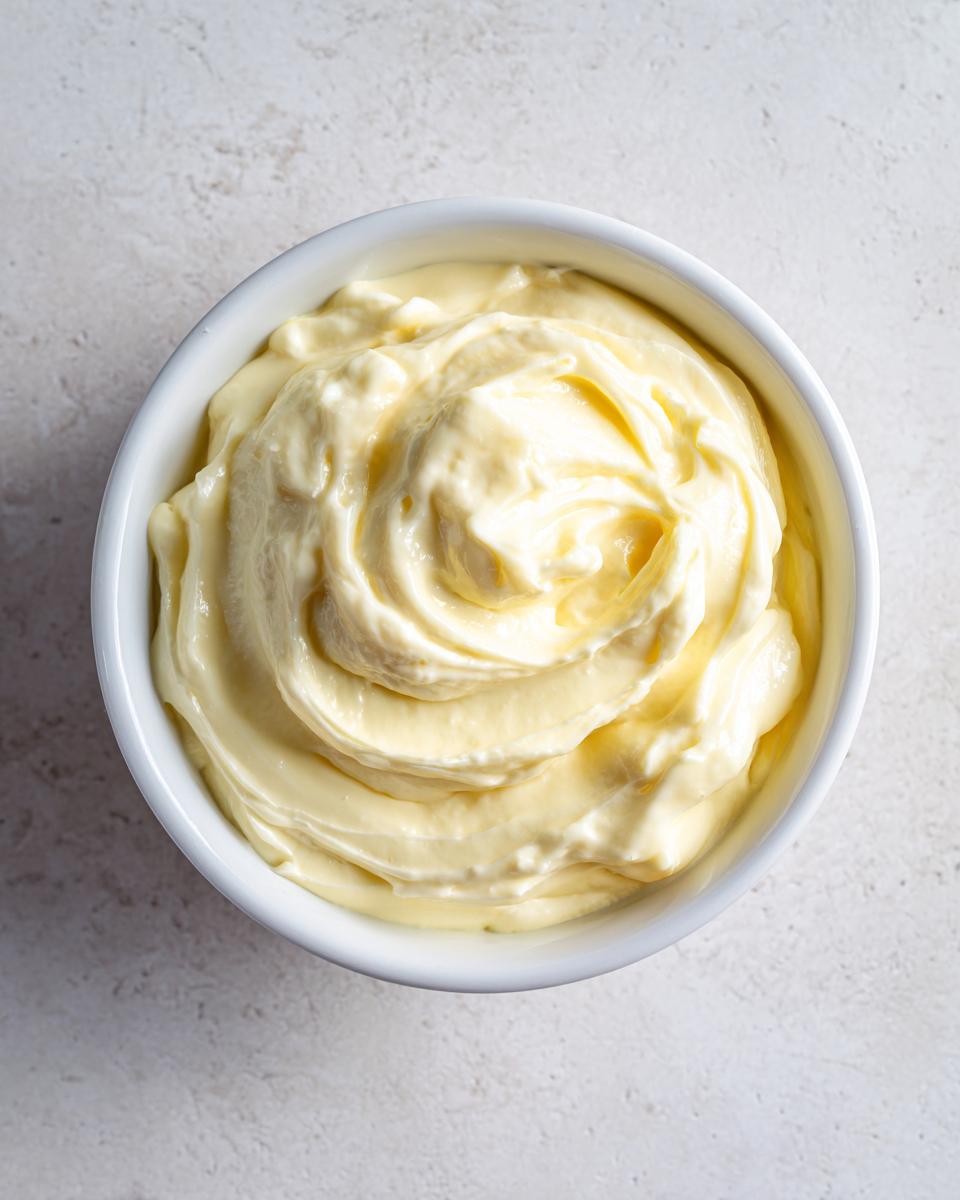
Now that your heart is set on making the best sandwich spread ever, let’s talk about what you need. The beauty of making truly wonderful homemade mayonnaise is how minimal the list is! We are sticking strictly to five simple building blocks. Keep these on hand, and you’ll never have to fret over running out of the jarred stuff again.
For this recipe, you need:
- One large egg yolk
- One teaspoon of Dijon mustard (this helps everything stick together!)
- One teaspoon of fresh lemon juice or white vinegar
- One half teaspoon of salt
- One full cup of a neutral oil, like canola, grapeseed, or even a very light olive oil
Ingredient Notes and Substitutions for Homemade Mayonnaise
Listen to Carla on this one: using room temperature ingredients is the secret handshake for a stable emulsion in your homemade mayonnaise. When the egg and the oil are both relaxed and sitting at about the same temperature, they just blend better and you are far less likely to have your emulsion break! Don’t skip that step; just set your egg out half an hour early.
When choosing your acid, I love fresh lemon juice—it gives it a lovely brightness. But if you’re in a pinch, plain white vinegar works just as well. As for the oil, the key word here is *neutral*. We want the egg and mustard flavors to be the star, not the oil overshadowing everything. Canola is my go-to for a reliable texture, but grapeseed works wonderfully if you want something a little lighter! Remember, this simple setup creates the most rich and smooth mayo, so treat these few ingredients with respect!
DIY Mayonnaise Instructions: Making Mayo Foolproof
Now, let’s put those ingredients to work! If you’ve ever felt nervous about making what seems like fussy emulsions, stop right there. I promise, using a blender turns this into a wonderfully simple, totally reliable process. This is my absolute favorite beginner mayonnaise guide because the machine does all the hard work for you. We start by getting our foundational ingredients ready in the container. Pop that egg yolk, Dijon, lemon juice, and salt right into the blender cup. Give it a quick buzz—just 15 seconds or so—until everything looks happy and uniform.
I often whip this up right before I prepare my easy breakfast recipes on a Saturday morning. It’s the perfect little kitchen project!
The Critical Step: Slowly Adding Oil for Homemade Mayonnaise
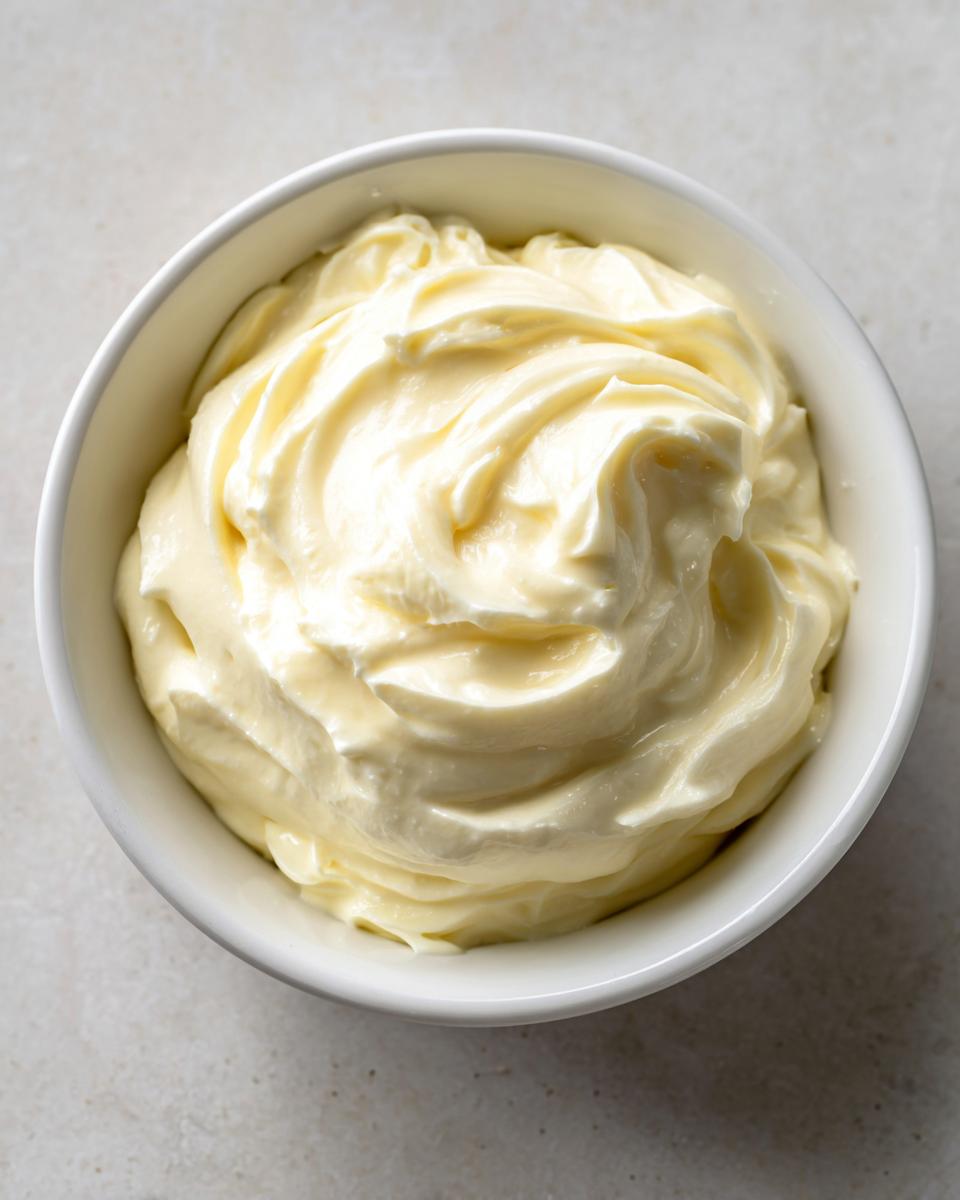
This is the moment where we build the structure of our homemade mayonnaise. How you add the oil depends entirely on the tool you grab. If you’re using an immersion blender—my preferred gadget for this—you must keep that blender head completely flat against the bottom of the container. Start the motor, and then—and this is crucial—drizzle that oil in the thinnest, steadiest stream you can manage. Don’t lift the head until you see the mayo start forming at the bottom! For a standard blender, you start even slower, just a few drops at a time until you see that initial thickening, and only then do you begin that slow, thin drizzle.
If you rush this oil part, you’ll end up with thin soup instead of homemade mayonnaise, so have patience here!
Troubleshooting: What to Do If Your Homemade Mayonnaise Separates
Life happens, and sometimes that emulsion decides to separate. It looks watery and sad, but please, don’t just dump it out! This is where years of cooking experience pays off. If your homemade mayonnaise breaks, grab a fresh, clean bowl. Put just one teaspoon of plain water or, even better, one fresh extra egg yolk into that clean bowl. Then, you take that runny, separated mixture and slowly drizzle it—drop by drop at first—into your new base while blending continuously. It shocks the mixture back into line! This trick has saved dozens of batches for me over the years and proves that trying homemade mayonnaise doesn’t have to be scary.
For those who like the jar method, you can find great diy mayonnaise instructions online, but honestly, the blender is just quicker!
Tips for Success When Making Homemade Mayonnaise
Even with the easy blender method, a few little tricks can take your homemade mayonnaise from good to absolutely spectacular! I always tell my grandkids that even the simplest recipes benefit from a little bit of experience guiding the way. Remember how I mentioned room temperature ingredients earlier? That’s the most important expert tip I can give you for a stable, thick result. Cold ingredients fight each other, and that’s how you end up with soupy mayonnaise.
For controlling the flavor in your homemade mayonnaise, the oil choice is huge. If you use extra-virgin olive oil, your mayo will likely taste sharp, almost bitter, and that can be too strong for simple sandwiches. Stick to canola or grapeseed for that light, clean taste that lets the Dijon and lemon sing. If you *must* use olive oil, blend in just about half a cup, and then top up the rest of the cup with a lighter oil, like sunflower oil. It’s one of my favorite ways to make slightly healthier condiment swaps!
If you want to explore other simple recipes, you should absolutely check out my post on more easy homemade condiments when you’re done here. Sometimes you just need that perfect homemade jarred flavor!
One last thing that helps make it foolproof: use the whole egg yolk, not the egg white. The yolk contains the lecithin, which is the emulsifier that keeps everything happy. While some folks try using a whole egg, you’ll get a much thicker, more reliable rich and smooth mayo when you stick just to that golden yolk. You can find another great perspective on technique over at Downshiftology, too, but I still stand by my blender method for speed!
Using Your Fresh Condiment Recipes: Serving Suggestions
Well, now you have this gorgeous, bright, rich and smooth mayo. What on earth do you do with it? Honestly, I feel like my kitchen opens up exponentially once I have a fresh batch of this creamy goodness ready to go! It’s not just for plain sandwiches, you know. It’s the cornerstone of so many wonderful dressing base recipes, and it makes everything taste better.
First off, for sandwiches? Forget everything you thought you knew. Try it on my favorite creamy chicken salad sandwich. The flavor of the fresh mayo completely transforms the texture—it’s just brighter and cleaner! You won’t go back to anything else, I promise you that.
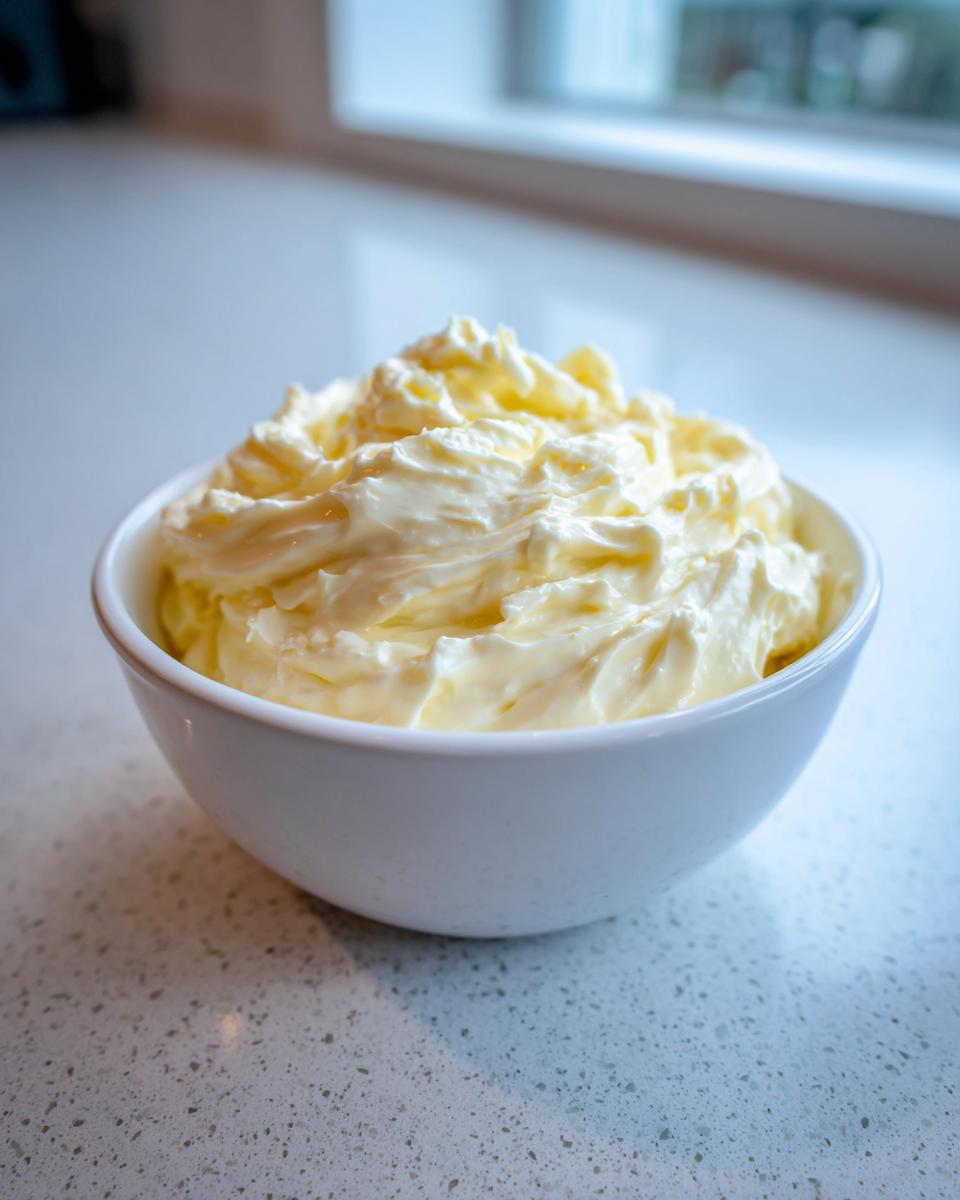
But it goes so far beyond lunchtime! I love using this homemade base to whip up a quick, tangy homemade dip. Just stir in some smoked paprika, a little garlic powder, and a splash of hot sauce, and suddenly you have the perfect dip for baked fries or raw veggies. Honestly, it’s a lifesaver when unexpected company drops by.
And salads! If you’re making any kind of creamy salad, whether it’s potato salad, coleslaw, or even a fun pasta dish like my BLT Pasta Salad, using your own mayonnaise makes the dressing taste homemade, even if the rest of the meal is simple. It just adds that little bit of richness and zest. It’s amazing how controlling that one ingredient elevates the entire dish!
Storage and Shelf Life for Homemade Mayonnaise
Now that you’ve mastered making your wonderful homemade mayonnaise, we need to talk about keeping it fresh and safe! Since we are making this fresh, without all those preservatives you find in the big jars, it doesn’t last quite as long, and I want you to enjoy it at its peak flavor.
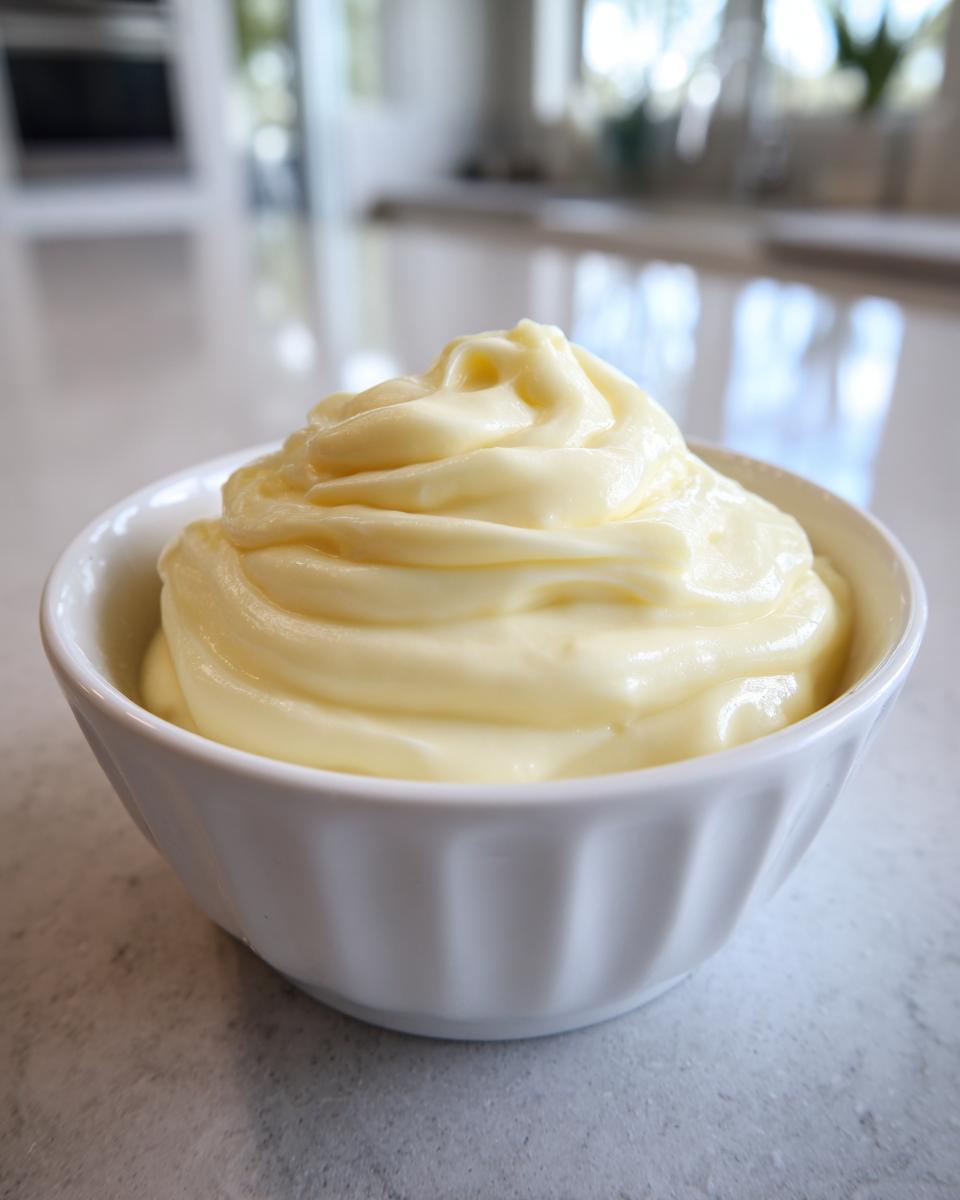
The absolute first thing you must do is get it into an airtight container. A clean glass jar with a tight-fitting lid is my favorite setup. This keeps any refrigerator air from drying out the top or absorbing other smells. You want your homemade mayonnaise to stay pristine!
Storage and Shelf Life for Homemade Mayonnaise
Here’s where I have to step into my former teacher role for a moment regarding safety. Because this uses a raw egg yolk, it’s critical that we treat it carefully. My rule, the one I stick to religiously, is to use it up within one week. That’s generous for such a fresh product, but it ensures you are only eating the best, safest condiment possible. It’s so easy to use up quickly, though, especially as a healthy sandwich spread, that I rarely have any leftovers!
Now, don’t panic if you see it looking a little stiff after it’s been chilling overnight. That’s normal! The oil firms up in the cold. Before serving, just let it sit on the counter for about ten minutes to loosen up, then give it a quick stir. That will bring back that perfect, creamy texture we worked so hard to achieve in the blender.
Frequently Asked Questions About Homemade Mayonnaise
I always get lovely feedback on this recipe, and often, good questions pop up as people try it for the first time! I want to make sure everyone feels confident making this staple. If you still have questions after reading through everything, feel free to reach out via my contact page!
Can I make this creamy mayonnaise recipe without an immersion blender?
Absolutely, you can! While the immersion blender is my personal secret weapon for speed, this recipe works beautifully in a traditional stand or countertop blender. The main difference is that you have to be much more careful when you start adding that oil. If you pour too much oil too fast into a regular blender, it just spins around without mixing, and you get that dreaded separation. You need to start with just three or four drops of oil at a time, blending until that drops disappears completely before adding another tiny bit more. You can also look up the mayonnaise in a jar technique, which uses vigorous shaking—it’s very satisfying, though my arm usually gets tired!
Is this 5 ingredient mayonnaise healthier than store-bought versions?
In my book, yes, completely! The biggest benefit of making your own 5 ingredient mayonnaise isn’t just the taste—though that’s a huge perk—it’s knowing exactly what went in. Store-bought versions often rely on various stabilizers, preservatives, and sometimes less high-quality oils to keep them shelf-stable for months, sometimes years! When you make it fresh here, you control everything. You use real egg yolk, real acid, and a neutral oil you trust. It’s the perfect way to create a truly healthy sandwich spread that tastes clean and sharp, without all those extra chemicals hanging around. For more inspiration on making your own favorite recipes from scratch, you can look over at The Spanish Apron!
I always say, learning to make these items yourself, like this homemade mayonnaise, gives you wonderful control over your meals. It’s always worth the few extra minutes!
Estimated Nutritional Data for Your Homemade Mayonnaise
Now, I have to be very clear here. I am a home cook, not a certified nutritionist, so please take these numbers as a helpful guide rather than a guarantee! Since this recipe for homemade mayonnaise relies heavily on the type and amount of oil you use—which can vary slightly batch to batch—these figures are based on standard measurements using a typical neutral oil like canola.
But I always like to know what I’m putting into my family’s food, so here is the estimated breakdown for one serving size, which we’ve set at just one tablespoon:
- Serving Size: 1 tablespoon
- Calories: Approximately 90
- Fat: About 10 grams total
- Saturated Fat: Roughly 1.5 grams
- Carbohydrates and Sugar: Zero! Isn’t that lovely?
- Protein: Less than half a gram
- Sodium: Around 50 milligrams
As you can see, most of the calories are coming from the healthy fats in that cup of oil. That’s what gives us that wonderful creamy texture we love so much in this easy homemade condiment! Since we use no sugar at all, this is a great base for low-carb or keto-friendly meals, perhaps as a base for a healthy sandwich spread or dressing. Use this data to help you plan your meals, but enjoy that rich flavor knowing you made this wonderful kitchen staple recipe from scratch!
Share Your Homemade Mayonnaise Success
Oh, my dear readers, I truly hope you’ve given this homemade mayonnaise a try! There is such a joy that comes from mastering a basic kitchen staple like this. I always tell my grandchildren that food tastes better when you’ve poured a little bit of your own love and effort into it, and this creamy recipe is no exception.
Now that you’ve made your first batch of this quick, delicious condiment, I would just love to hear how it turned out for you! Did you use lemon or vinegar? Did you sneak in a clove of garlic to make an aioli? Please don’t keep those wonderful variations to yourself!
Take a moment and leave my recipe a rating right here in the comments below. Knowing that these instructions are helping other home cooks feels like the greatest reward. If you’ve got a tip from your own kitchen that helped make your homemade mayonnaise extra special, please share it so we can all learn together. We build our confidence as cooks when we share stories, so don’t be shy!
And just as a friendly reminder, while your homemade mayonnaise is absolutely the best way to enjoy fresh flavor, if you ever have questions about how I handle recipe privacy and data, you can always review my policy here. But mostly, I’m just excited for you and your newly stocked fridge!
PrintEasy 5-Ingredient Creamy Homemade Mayonnaise
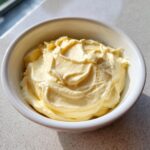
Make rich, smooth homemade mayonnaise in minutes using just five simple ingredients. This quick blender recipe delivers superior flavor compared to store-bought versions, perfect for sandwiches, salads, and dips.
- Prep Time: 5 min
- Cook Time: 0 min
- Total Time: 5 min
- Yield: About 1 cup 1x
- Category: Condiment
- Method: Blending
- Cuisine: American
- Diet: Gluten Free
Ingredients
- 1 large egg yolk
- 1 teaspoon Dijon mustard
- 1 teaspoon fresh lemon juice or white vinegar
- 1/2 teaspoon salt
- 1 cup neutral oil (like canola, grapeseed, or light olive oil)
Instructions
- Place the egg yolk, Dijon mustard, lemon juice (or vinegar), and salt into the container of an immersion blender or a standard blender.
- Blend these ingredients together for about 15 seconds until they are combined and slightly pale.
- If using an immersion blender, keep the head submerged at the bottom of the container. Begin slowly drizzling the oil in a very thin, steady stream while the blender runs continuously.
- If using a standard blender, start with just a few drops of oil, blending until incorporated, then slowly increase the oil stream to a thin drizzle.
- Continue blending and slowly adding the oil. The mixture will begin to thicken rapidly into mayonnaise.
- Once all the oil is incorporated and the mixture is thick and creamy, stop blending. Taste and add a small amount of water or lemon juice if you prefer a thinner consistency.
- Transfer the rich and smooth mayo to an airtight container.
Notes
- Use room temperature ingredients for the best chance of a stable emulsion.
- If your mayonnaise separates (looks watery), place one teaspoon of water or another egg yolk in a clean bowl and slowly blend the separated mixture into it, drop by drop, until it emulsifies again.
- This fresh condiment tastes best when used within one week.
- Use this creamy mayonnaise as a base for tartar sauce or aioli by adding garlic or herbs.
Nutrition
- Serving Size: 1 tablespoon
- Calories: 90
- Sugar: 0
- Sodium: 50
- Fat: 10
- Saturated Fat: 1.5
- Unsaturated Fat: 8.5
- Trans Fat: 0
- Carbohydrates: 0
- Fiber: 0
- Protein: 0.5
- Cholesterol: 35