

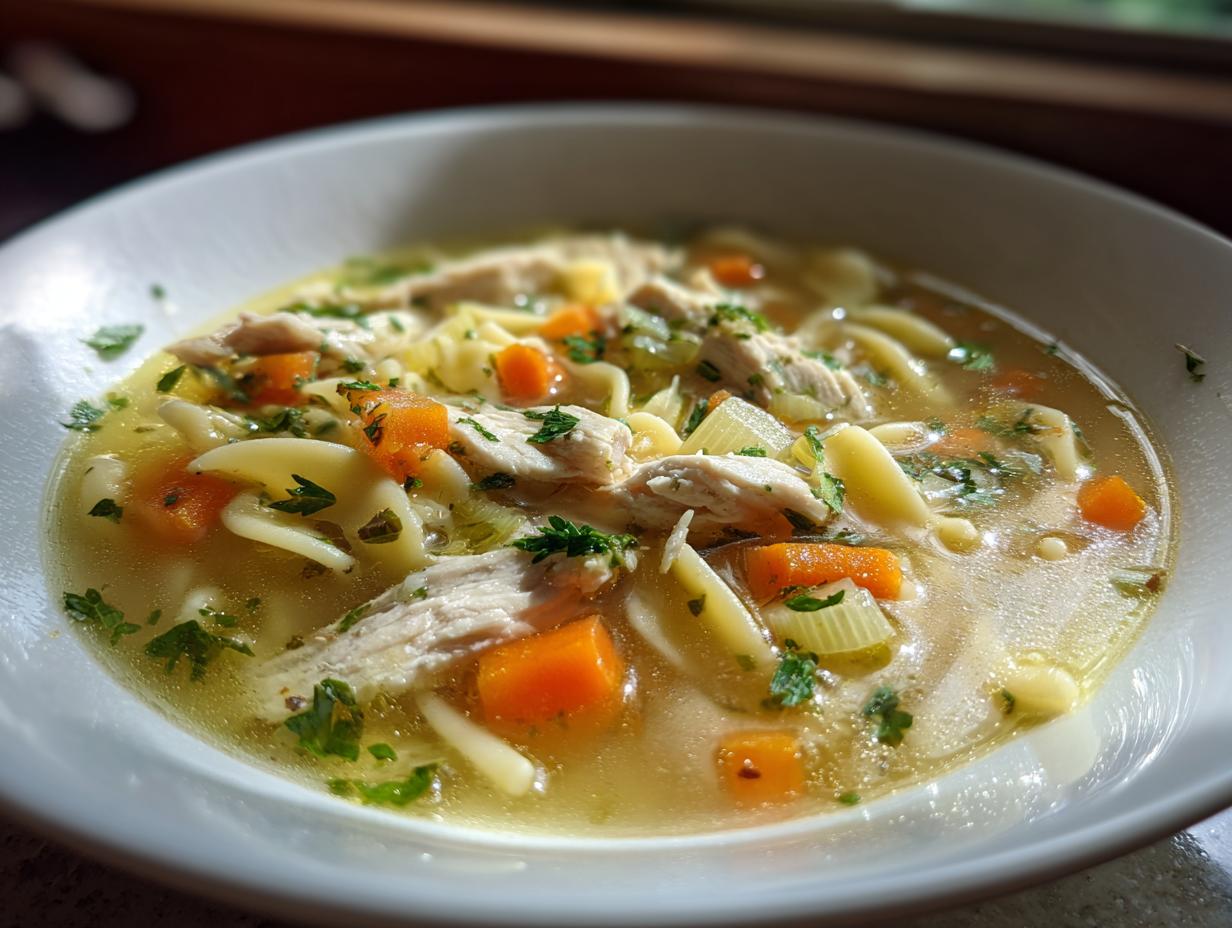
When someone you love—or maybe you yourself—is battling a cold or just feeling completely run down, you need a cure that isn’t medicine. You need a hug in a bowl, and believe me, our ultimate penicillin soup delivers just that. This recipe, the “Italian Penicillin Soup,” is legendary in our house for its clarity and soothing warmth. It’s easy, wonderfully simple, and because I spent thirty years teaching, you know my instructions are going to be crystal clear! We’re ditching the fuss and embracing pure, nourishing comfort today. You can read more about my journey and why I keep things straightforward over on my About Page.
- Why This is the Ultimate penicillin soup Recipe
- Gathering Ingredients for Your penicillin soup
- Step-by-Step Instructions for Making penicillin soup
- Tips for the Best Italian Penicillin Soup Recipe
- Storing and Reheating Your Nourishing Homemade Soup
- Variations: Creating a Vegetarian penicillin soup
- Serving Suggestions for This Comfort Food Bowl
- Frequently Asked Questions About penicillin soup
- Nutritional Estimate for This Light Soup for Recovery
- Nutritional Estimate for This Light Soup for Recovery
Why This is the Ultimate penicillin soup Recipe
When you feel terrible, the last thing you want is a fussy, complicated meal. That’s why this Italian Penicillin Soup recipe became my go-to cure-all. It’s classic Italian-American comfort food, simple enough for the sickest day but flavorful enough to become a family staple.
Honestly, this soup hits every mark when you need a little extra care:
- It features a deeply flavorful broth thanks to that initial veggie simmer.
- It’s incredibly easy to digest, which is crucial when you’re recovering.
- We get dinner on the table in under an hour—a quick nourishing homemade soup!
If you’re looking for other easy comfort options, check out my recipe for Slow Cooker Chicken Noodle Soup.
Recipe Snapshot: Prep, Cook, and Yield
I always keep these numbers handy so you can plan your cooking schedule easily. See? It doesn’t take all day to feel better!
Prep Time: 15 min
Cook Time: 35 min
Total Time: 50 min
Yield: 6 servings
Gathering Ingredients for Your penicillin soup
Let’s talk about what goes into this bowl of goodness. For the best flavor in our penicillin soup, the broth quality really is everything. I use 8 cups of high-quality chicken broth, but please—if you’re making a lighter version, choose the absolute best vegetable broth you can find. Don’t let those ingredients be an afterthought!
When chopping your vegetables, remember precision matters, even when you’re feeling slow. I need you to make sure the onion is chopped, the carrots are nicely diced, and the garlic? That has to be minced. We are adding those aromatics early to build our flavor foundation.
Here is what you’ll need:
- 8 cups high-quality chicken broth (or vegetable broth for vegetarian version)
- 1 tablespoon olive oil
- 1 large yellow onion, chopped
- 2 carrots, peeled and diced
- 2 celery stalks, diced
- 4 cloves garlic, minced
- 1 teaspoon dried oregano
- 1/2 teaspoon dried thyme
- 1 bay leaf
- 1 cup cooked, shredded chicken breast (optional)
- 1/2 cup pastina or orzo pasta
- 1/4 cup fresh parsley, chopped
- 1 tablespoon fresh lemon juice
- Salt and freshly ground black pepper to taste
Ingredient Notes and Substitutions
If you are cooking for someone who needs something completely meat-free—maybe due to dietary restrictions or just preference—our vegetarian penicillin soup variation is wonderful. Simply swap out the chicken broth for a really rich veggie broth and skip the chicken entirely. It still sings with flavor!
Now, for convenience—and I know how busy life gets, even when you’re trying to recover—if you are using chicken, don’t feel like you have to poach and shred it fresh! A store-bought rotisserie chicken is my little secret shortcut. It’s cooked, it’s moist, and it saves you a messy step. Just grab about a cup of that shredded meat right before you add it to the pot.
Step-by-Step Instructions for Making penicillin soup
Now we get to the fun part! Don’t worry about getting overwhelmed; I’ve broken this down into simple, manageable steps so even if you’re operating on, say, three hours of sleep, you can manage this beautiful batch of penicillin soup.
Sautéing Aromatics and Building the Broth Base
First things first: grab your largest pot—a Dutch oven works wonderfully here—and set it over medium heat with your olive oil. We need to soften the backbone of this soup, which means adding your chopped onion, diced carrots, and diced celery. Let them sweat together until they start looking soft and pliable, which is usually about five to seven minutes. Don’t rush this part! Soft veggies give you a sweeter soup later on.
Next, push those vegetables slightly to one side, drop in your 4 cloves of minced garlic, the dried oregano, and the dried thyme. You just need to cook those herbs for about one minute until you can really smell them—that blooming process is key to unlocking all their flavor for this healing soup when sick.
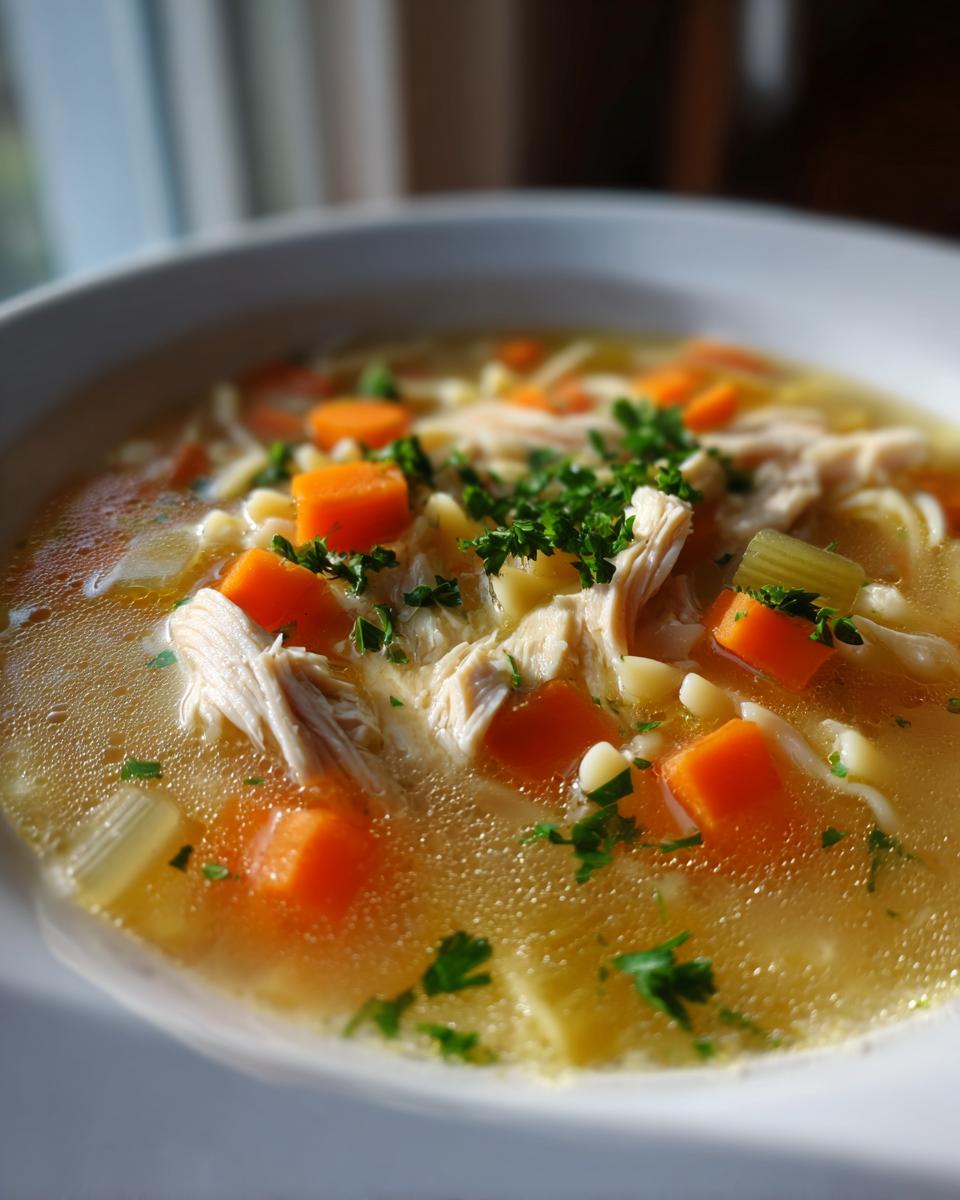
Once you smell that gorgeous garlic aroma, pour in all 8 cups of broth and drop in that bay leaf. Bring the whole thing up to a boil. Once it’s bubbling nicely, turn the heat down, cover the pot, and let it simmer gently for a full 15 minutes. That simmer time is where the vegetables truly give up all their goodness to the broth!
Simmering and Adding the Small Pasta
After 15 minutes, pop the lid off and carefully pull out that bay leaf; we don’t want anyone biting into that leathery thing! Now, here is something I learned from catering my daughter’s small wedding: if you want a truly velvety soup that coats the back of the spoon beautifully, you can take an immersion blender—or carefully use a regular blender in batches—and puree about a third of the soup right in the pot, then stir it back in. It just thickens the broth nicely without adding heavy cream.
Once you’ve decided on your texture, turn the heat back up just slightly to medium-low. It’s time for the pasta! Stir in your 1/2 cup of pastina or orzo. Cook this according to the little box instructions, but usually, it’s about 8 to 10 minutes until those tiny pasta shapes are perfectly tender. Stir it every couple of minutes so the little bits don’t stick to the bottom of the pot.
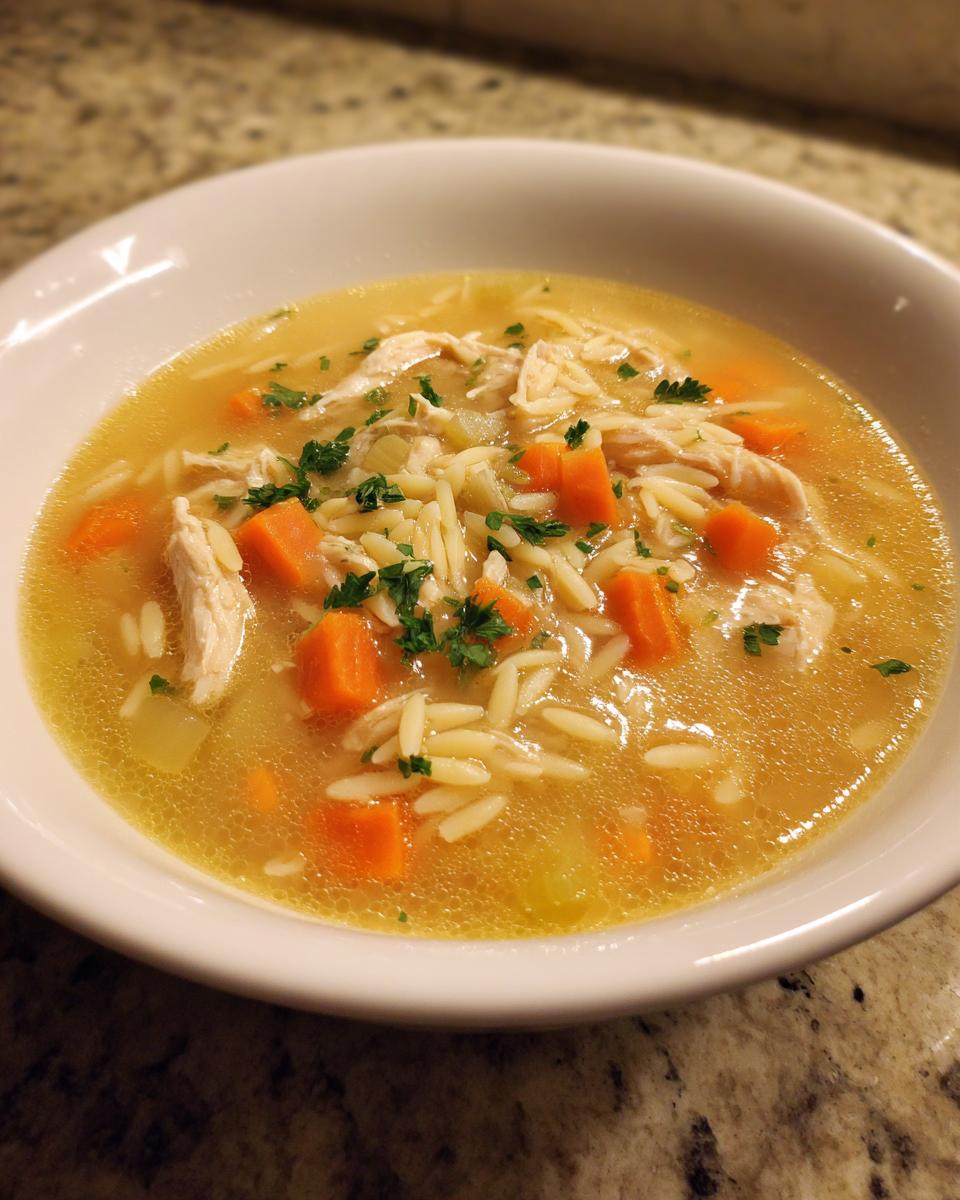
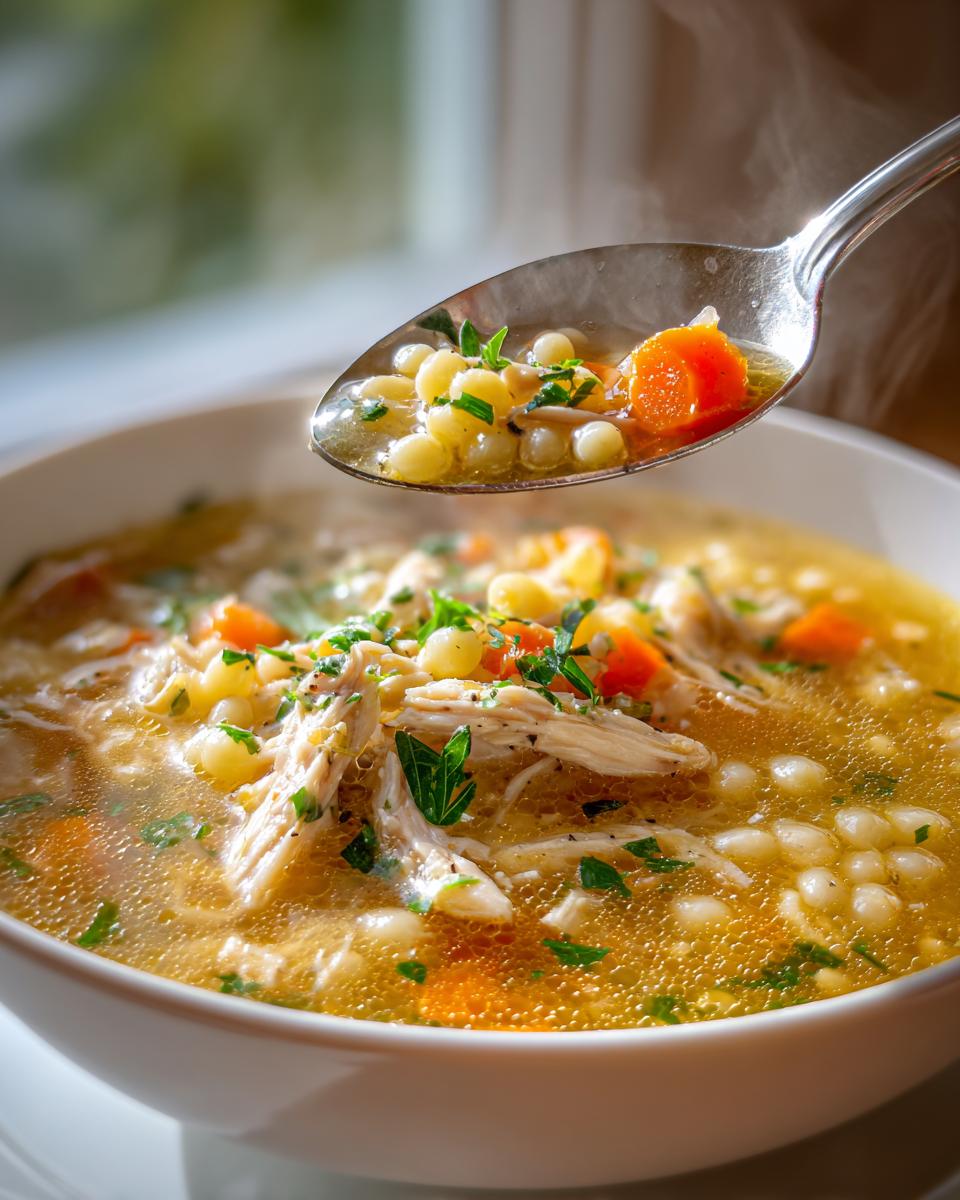
When the pasta is ready, toss in your cup of cooked, shredded chicken (if you are using it) and let it heat through for just a couple of minutes. Finally, take the pot completely off the heat. That’s right, off the burner! Now, stir in your fresh parsley and that all-important tablespoon of lemon juice. Taste it for salt and pepper—add what you feel it needs. A good spoonful of salt at the end always brightens up a broth like this!
If you’re curious about smooth, creamy soups that are also great when you’re feeling under the weather, you might enjoy my thoughts on making Easy Creamy Zucchini Soup, too.
Tips for the Best Italian Penicillin Soup Recipe
Even with simple recipes like this penicillin soup, the small details are what elevate it from good to absolutely perfect. Because I spent so long teaching, I always preach about technique. It’s not just about throwing things in a pot; it’s about knowing *when* and *how* to add them to get the best flavor payoff.
My number one tip for any broth-based soup is this: taste, taste, taste at the end! You might think you seasoned it enough earlier, but once the pasta and celery release their starches and water into the liquid, the flavor gets diluted. Always use salt and freshly ground black pepper near the very end. You need to adjust the seasoning *after* everything has cooked together. If you season too early, you risk over-salting.
That fresh lemon juice? It’s our secret weapon! Do not skip it, and please, don’t add it until the soup is completely off the heat. That little bit of acid wakes up every single component in the bowl. It brightens the broth, cuts through the richness of the chicken, and just makes the whole thing taste vibrant. It’s like turning the flavor volume up to eleven!
If you are interested in other rich, yet simple, soups, you might want to bookmark my recipe for Roasted Garlic Soup. If you want to see how another great cook approaches the classic pastina version, check out this wonderful roundup from Sarah over at Real Food With Sarah.
Storing and Reheating Your Nourishing Homemade Soup
One of the best things about making a big batch of something this comforting is knowing you have leftovers for those days when cooking feels impossible—like when you’re still fighting off that last bit of the flu. This penicillin soup stores beautifully, but there is one huge caveat you absolutely must know about, especially if you plan to freeze some.
If you are planning to freeze portions for later, please, please, *please* cook the pasta separately! Pastina, orzo, or any small pasta is going to absorb all the liquid and turn into an absolute mush puddle if it sits frozen in the broth. It just swells up and loses its texture. My advice is this: cook the soup base—with the veggies, broth, and shredded chicken if using—and place that into your airtight freezer containers.
When you are ready to eat it later, thaw the base overnight in the fridge. Then, bring the broth to a simmer on the stove and only cook the 1/2 cup of fresh pastina right in the portion you plan to eat that day. You can always reheat leftovers of the pasta-in-soup version in the microwave, but it won’t be nearly as nice as starting fresh with the broth.
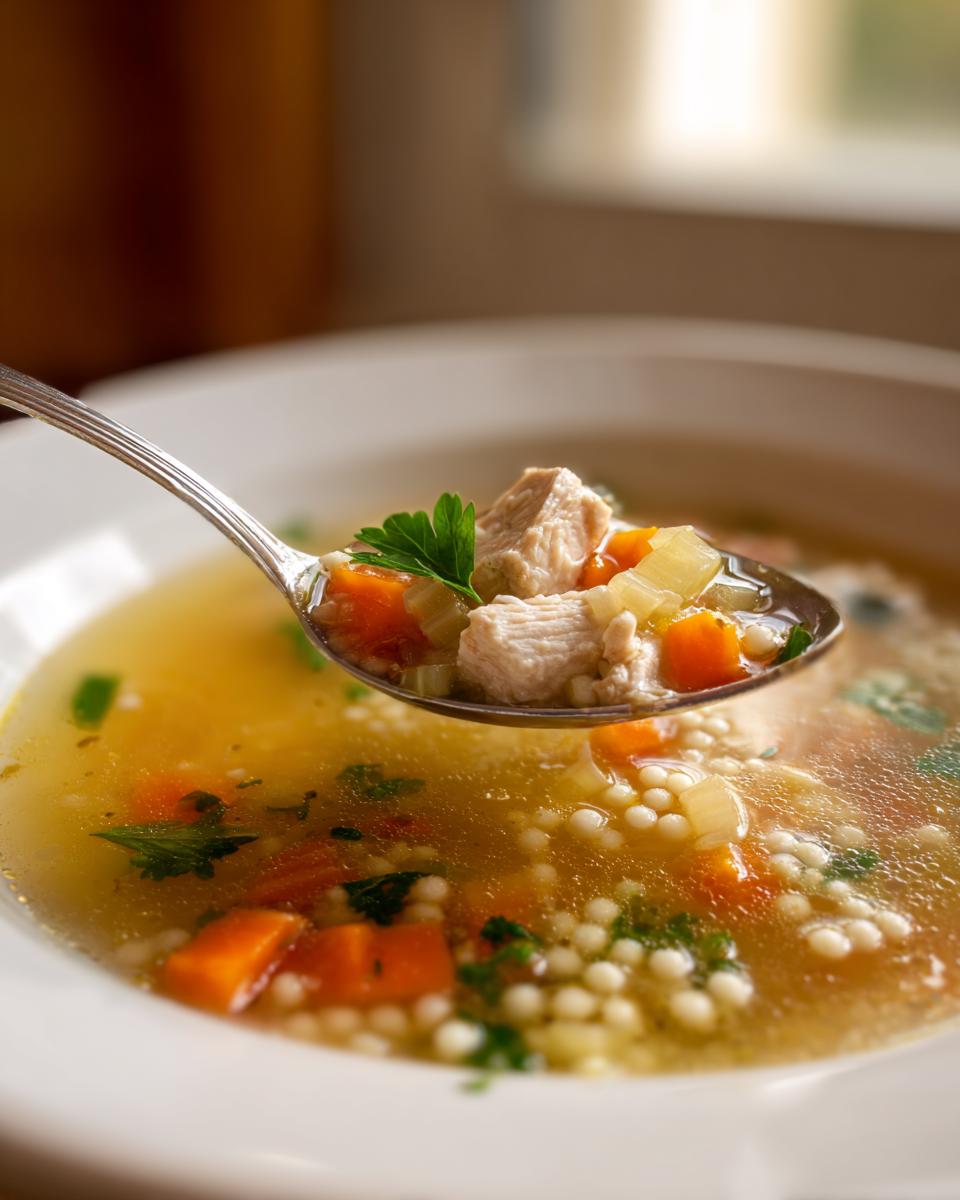
For reheating the main batch on the stovetop during the week, just put it back on medium heat until it’s steaming hot all the way through. If you are just warming up a single bowl in the microwave, give it a good stir halfway through heating so you don’t get those hot spots. This quick reheating method makes it the perfect quick nourishing soup for a busy weeknight, too!
If you ever make my Chicken and Dumpling Soup, the same rule applies for freezing—always keep the dumplings separate until the very last minute, or you’ll end up with sad, dense little sponges!
Variations: Creating a Vegetarian penicillin soup
When you need that familiar feeling of the penicillin soup but you aren’t using chicken, don’t you worry one bit! We can swap out the meat and keep all the healing intention right here in the broth. This is where using a top-notch vegetable broth really pays off, because it has to carry all the flavor that the chicken used to provide.
If you are making our vegetarian penicillin soup, follow every step exactly as written—the sautéing of the mirepoix (onion, carrot, celery), the blooming of the herbs, even the simmer time. Those first 20 minutes are what truly build the depth you are looking for in a comfort meal.
Since we are leaving out the shredded chicken, the texture might feel a little too light for some folks. That’s okay! I have a couple of ideas to keep that satisfying, velvety feel. I often add a soft vegetable when I make a vegetarian batch just to give it a little something extra to chew on.
Think about dicing up half a zucchini right along with your carrots and celery. Zucchini cooks down so quickly and turns very tender in that long simmer time, blending right into the background flavor profile without being too heavy. Or, if you want something richer, try using some of my notes on my Roasted Butternut Squash Soup and blend a cup of roasted squash right into the broth when you do the optional pureeing step! Now that is maximizing flavor!
When you’re looking for meatless comfort food recipes that truly soothe, remember that quality vegetable broth is your secret weapon. You can see another great take on a veggie version over at Real Life Nutritionist, too. It just goes to show how versatile this concept is!
Serving Suggestions for This Comfort Food Bowl
Now that you have this beautiful, steaming bowl of penicillin soup ready, you might be wondering what to serve alongside it. Since this broth-based comfort food bowl is so light and restorative, you don’t want to weigh it down with heavy sides, right? We want nourishment, not a nap!
My absolute favorite way to serve this is with something crusty for dipping. Honestly, there is nothing more satisfying than tearing off a piece of warm, rustic bread to soak up every last drop of that lemony, garlicky broth. I have a fabulous recipe for Soft Buttery Rolls that would work perfectly if you want something tender instead of crusty.
If you are serving this to kids, or if you are looking for something slightly greener to keep things moving along as you recover, a tiny, light side salad is perfect. Think delicate greens, maybe a whisper of cucumber, and a very simple vinaigrette using olive oil and a squeeze of lemon. Nothing too sharp or highly acidic, because we want to keep everything gentle on the tummy.
The goal here is to create a soothing, easy meal. This soup shines all by itself, but having that soft texture of bread or a few crisp salad leaves makes it feel like a complete, thoughtful meal, even if you weren’t feeling your best today.
Frequently Asked Questions About penicillin soup
I get so many wonderful questions about this soup, and I love answering them because it means you’re actually digging in and making it! Since you want reliable recipes here at Cooking by Carla, let’s address the most common things people ask about this amazing penicillin soup.
Can I make this soup entirely smooth for someone with difficulty chewing?
Oh, absolutely, and that’s a very thoughtful question, especially if you’re making this for a little one or someone who is struggling to eat. Remember that optional step in the main instructions where I suggested blending about a third of the soup? Well, if you want it completely smooth, you just take that idea and run with it! After you’ve simmered your veggies (Steps 1 through 3), you can use your immersion blender and blend the entire pot until it’s creamy and uniform. If you are using chicken, take the cooked meat out first, blend the broth and vegetables until it’s perfectly smooth, and then either shred the chicken very finely and stir it back in, or puree the chicken right along with the vegetables.
Just be aware that the smoother it is, the less texture it has, so if you have the energy, leaving some little bits of soft carrot or celery is usually appreciated!
What makes this a ‘healing soup when sick’?
It gets that famous nickname, “Italian Penicillin Soup,” because it’s designed to be restorative without upsetting a sensitive stomach. The broth is the star here; it’s salty enough to replenish electrolytes, it’s warm, and it’s hydrating—all things your body really needs when you have a fever or congestion. Then you have the garlic and onion, which are full of lovely things your body can use when fighting off germs. The pastina soup for sickness classification comes from that tiny pasta; it cooks up so soft and breaks down easily, providing gentle carbohydrates for energy without being heavy. It’s the perfect best soup for flu season because it gives you goodness without forcing your digestion to work overtime. It’s pure comfort medicine!
If you want to learn more about my simple cooking philosophy, you can always swing back to my thoughts on Easy Homemade Lasagna—though that’s a bit heavier than this soup!
If you’re looking for validation on how amazing this recipe is, check out the wonderful version shared over at K-Pop Kitchen!
Nutritional Estimate for This Light Soup for Recovery
I always like to give you folks a general idea of what’s in each bowl, especially when you’re making something intentional for recovery. Keep in mind that these numbers are estimates, and they will jump up a bit if you use the optional chicken, or if you choose to be heavy-handed with the olive oil for that sauté! This estimate is based on the broth recipe without the chicken added.
Serving Size: 1.5 cups
Calories: 180
Sugar: 4
Sodium: 650
Fat: 4
Saturated Fat: 1
Unsaturated Fat: 3
Trans Fat: 0
Carbohydrates: 25
Fiber: 3
Protein: 12
Cholesterol: 30
This profile really shows you how wonderfully low-fat and easy to digest this light soup for recovery truly is! When you’re feeling better, maybe try my baked pasta ideas, like the one for Easy Homemade Lasagna with Ricotta, but for now, stick to the broth!
Nutritional Estimate for This Light Soup for Recovery
I always like to give you folks a general idea of what’s in each bowl, especially when you’re making something intentional for recovery. Keep in mind that these numbers are estimates, and they will jump up a bit if you use the optional chicken, or if you choose to be heavy-handed with the olive oil for that sauté! This estimate is based on the broth recipe without the chicken added.
Serving Size: 1.5 cups
Calories: 180
Sugar: 4
Sodium: 650
Fat: 4
Saturated Fat: 1
Unsaturated Fat: 3
Trans Fat: 0
Carbohydrates: 25
Fiber: 3
Protein: 12
Cholesterol: 30
This profile really shows you how wonderfully low-fat and easy to digest this **light soup for recovery** truly is! When you’re feeling better, maybe try my baked pasta ideas, like the one for Easy Homemade Lasagna with Ricotta, but for now, stick to the broth!
PrintUltimate Italian Penicillin Soup: Comfort for Colds
This is the ultimate comforting bowl, nicknamed ‘Italian Penicillin Soup,’ perfect for when you feel unwell or crave a deeply nourishing meal. It features a clear, flavorful broth, tender chicken, small pasta, and classic aromatics.
- Prep Time: 15 min
- Cook Time: 35 min
- Total Time: 50 min
- Yield: 6 servings 1x
- Category: Soup
- Method: Stovetop
- Cuisine: Italian-American
- Diet: Low Fat
Ingredients
- 8 cups high-quality chicken broth (or vegetable broth for vegetarian version)
- 1 tablespoon olive oil
- 1 large yellow onion, chopped
- 2 carrots, peeled and diced
- 2 celery stalks, diced
- 4 cloves garlic, minced
- 1 teaspoon dried oregano
- 1/2 teaspoon dried thyme
- 1 bay leaf
- 1 cup cooked, shredded chicken breast (optional)
- 1/2 cup pastina or orzo pasta
- 1/4 cup fresh parsley, chopped
- 1 tablespoon fresh lemon juice
- Salt and freshly ground black pepper to taste
Instructions
- Heat the olive oil in a large pot or Dutch oven over medium heat. Add the chopped onion, carrots, and celery. Cook until softened, about 5 to 7 minutes.
- Add the minced garlic, oregano, and thyme to the pot. Cook for 1 minute until fragrant.
- Pour in the chicken broth and add the bay leaf. Bring the mixture to a boil, then reduce heat to low, cover, and simmer for 15 minutes to allow the vegetables to become tender and the flavors to meld.
- Remove and discard the bay leaf. If you prefer a smoother soup, you can carefully blend about one-third of the soup mixture using an immersion blender, then return it to the pot.
- Increase the heat to medium-low and stir in the pastina or orzo. Cook according to package directions, usually 8 to 10 minutes, until the pasta is tender.
- Stir in the shredded chicken (if using). Heat through for 2 minutes.
- Remove the pot from the heat. Stir in the fresh parsley and lemon juice.
- Taste the soup and season generously with salt and pepper. Serve this healing soup when sick immediately.
Notes
- For a vegetarian penicillin soup, substitute the chicken broth with a rich vegetable broth and omit the shredded chicken.
- You can prepare this soup ahead of time; it freezes well without the pasta. Add the pasta when reheating.
- For extra flavor, use a rotisserie chicken for the shredded meat.
Nutrition
- Serving Size: 1.5 cups
- Calories: 180
- Sugar: 4
- Sodium: 650
- Fat: 4
- Saturated Fat: 1
- Unsaturated Fat: 3
- Trans Fat: 0
- Carbohydrates: 25
- Fiber: 3
- Protein: 12
- Cholesterol: 30