

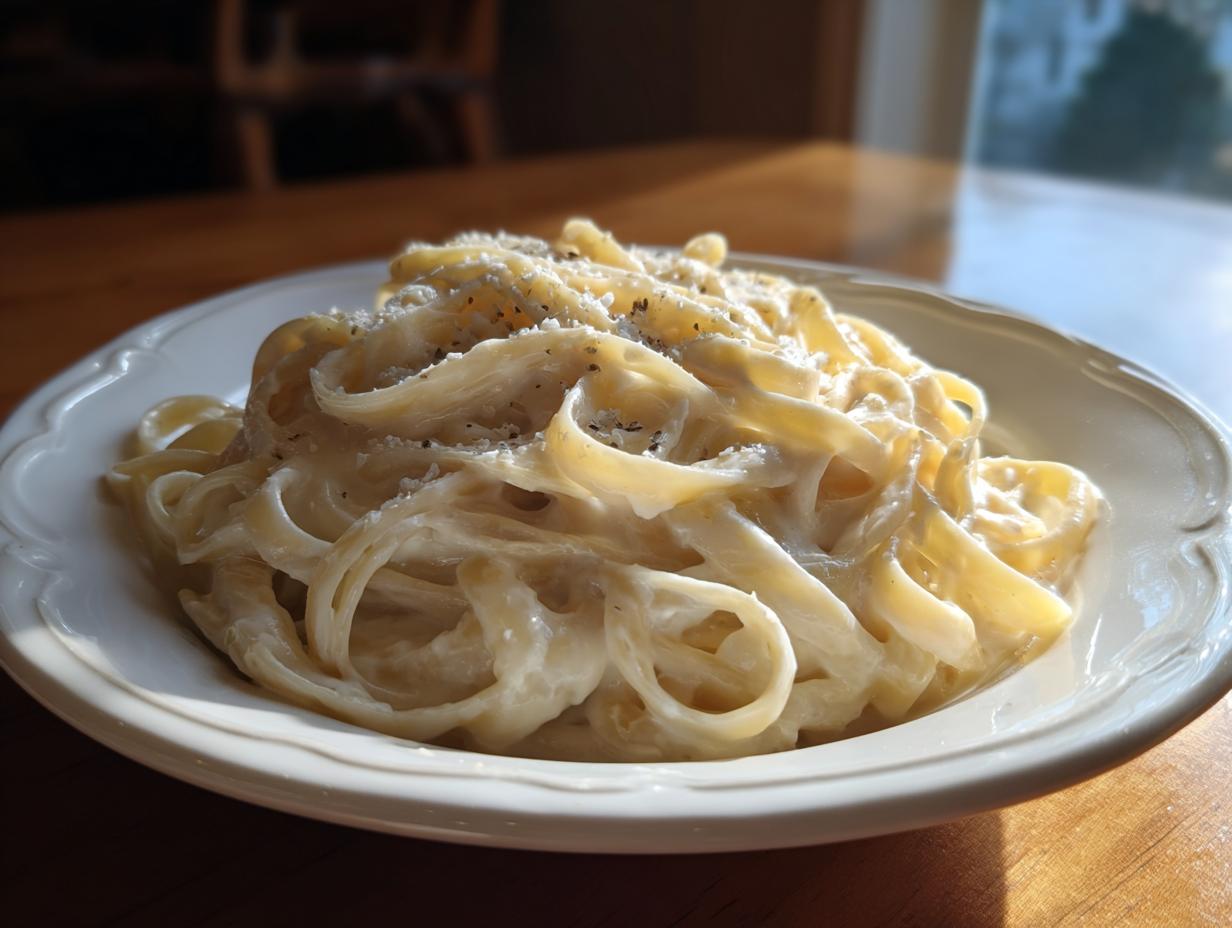
There’s nothing quite like that first bite of super-rich, incredibly creamy Alfredo sauce from your favorite Italian spot. It hits that comfort food spot perfectly, right? Well, I hear you on missing those restaurant favorites, but I promise you don’t need a reservation to enjoy it! After years of teaching and perfecting weeknight meals, I’ve developed what I truly believe is the definitive, easy olive garden alfredo copycat recipe. This isn’t some thin, runny sauce; this is the thicker, more dependable version we all crave. Trust me, every measurement here has been tested right here in my home kitchen to ensure it’s reliable for your table. You can find the full recipe card right here: grab the full printable guide.
- Why Our Olive Garden Alfredo Copycat Recipe Works So Well
- Gathering Ingredients for Your Olive Garden Alfredo Copycat Sauce
- Step-by-Step Instructions: How to Make Olive Garden Sauce
- Serving Your Quick Alfredo From Scratch
- Storage and Reheating Tips for Your Olive Garden Alfredo Copycat
- Troubleshooting Common Issues with Alfredo Sauce
- Frequently Asked Questions About This Best Alfredo Sauce Recipe
- Estimated Nutritional Snapshot for Your Olive Garden Alfredo Copycat
- Share Your Homemade Restaurant Style Pasta Sauce Creations
Why Our Olive Garden Alfredo Copycat Recipe Works So Well
When trying to replicate a restaurant favorite, you need a secret weapon, and that’s exactly what this recipe has. It’s simple, straightforward, and builds in stability so you don’t have to panic about sauce splitting. Here’s why this is the best alfredo sauce recipe you’ll try this week:
- It creates a truly thick and creamy pasta sauce without all the complicated steps.
- The ingredients are easy to find but deliver exactly that familiar, comforting flavor.
- It’s dependable! I promise this won’t separate when tucked into the fridge for leftovers.
Achieving That Signature Thick and Creamy Pasta Sauce Texture
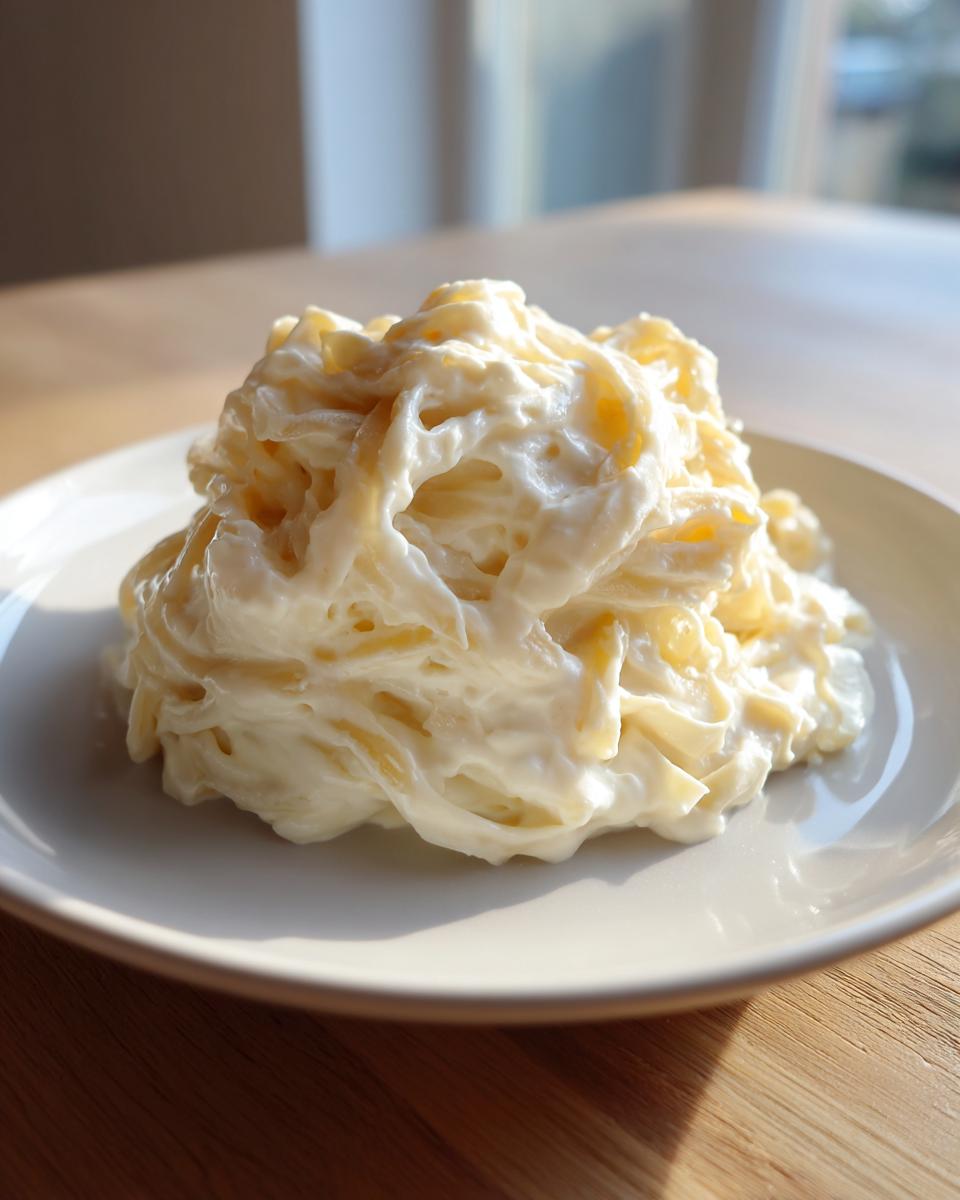
So many people try to make a quick alfredo from scratch using just butter and heavy cream, and frankly, it often ends up too thin. My trick, which separates this from a standard recipe, is adding a good block of cream cheese. It melts down beautifully, providing body and that unmistakable richness that makes this a signature rich cheesy white sauce. It takes the guesswork right out!
The Importance of Freshly Grated Parmesan for a Smooth Sauce
This is where my years in the kitchen really come into play—don’t grab the pre-shredded stuff from the bag! Those bags have anti-caking agents meant to keep the shreds from sticking together, but those same additives turn your beautiful sauce grainy and chalky. Always, always grate your Parmesan straight from the block. It’s the secret to that incredibly smooth finish we all want in a creamy homemade alfredo.
Gathering Ingredients for Your Olive Garden Alfredo Copycat Sauce
Now that you know *why* this version works so well, let’s talk about what you need to pull together. Good news: we aren’t working with a laundry list of strange ingredients here. This recipe uses staples, but done the right way! Having everything ready—your butter measured, your cheese grated—makes the cooking process faster than ordering takeout. You really only need about 15 minutes on top of your chopping time. If you’re planning to add protein, you should look at making this easy chicken alfredo recipe alongside the sauce!
Here is exactly what you’ll need for about three cups of glorious sauce:
- 1 cup unsalted butter (the good stuff!)
- 1 cup heavy cream (don’t substitute this if you can help it!)
- 8 ounces cream cheese, cubed
- 2 cups freshly grated Parmesan cheese
- 1 teaspoon salt
- 1/2 teaspoon black pepper
- 1/4 teaspoon garlic powder
Ingredient Notes and Substitutions for This Creamy Homemade Alfredo
Look, I understand stocking a pantry when you’re trying to make something quick. But for this copycat restaurant pasta, a few ingredients are truly non-negotiable for the right texture. I always insist on real, high-quality butter here; it adds a depth of flavor that spreads can’t match. Also, please stick to the heavy cream!
If you absolutely cannot find heavy cream, you can try using whole milk, but I have to warn you: your sauce will likely be thinner. You’ll end up stirring in more cheese or letting it simmer longer to try and thicken it up, and you risk breaking the sauce as it cooks down. Use whole milk only in a pinch, okay? This recipe is designed to be a foolproof, quick alfredo from scratch, and sticking to the dairy fat content helps us keep it that way.
Step-by-Step Instructions: How to Make Olive Garden Sauce
Okay, deep breath! Making a restaurant-quality sauce at home sounds fancy, but I promise this is one of the simplest things you’ll ever make. As a former teacher, I love breaking things down so they are impossible to mess up! Follow these steps exactly, especially paying attention to the heat level. This whole process flies by—you’re looking at maybe 15 minutes total on the stove. If you’re looking for other quick sauces, check out my guide to restaurant style pasta sauce varieties!
Melting Butter and Simmering the Cream Base
First things first: grab your medium saucepan and melt that full cup of butter over medium heat. This is crucial: you want it melted and liquid, but you absolutely must not let it brown! Burnt butter tastes bitter, and we are aiming for perfection here. Once it’s fully melted, pour in your heavy cream. Let that mixture come up to a gentle simmer—just a few tiny bubbles popping on the surface—and then immediately drop the heat down low. We need a gentle warmth to build our base.
Incorporating Cream Cheese for the Thick and Creamy Pasta Sauce
This is the moment for technique! Toss in all your cubed cream cheese now. Grab your whisk—I mean it, use a whisk, not a spoon—and whisk continuously! You need to keep those lumps moving until the cream cheese is completely, utterly melted into the cream and butter mixture. If you stop whisking too soon, you end up with little white blobs floating around instead of that smooth, thick and creamy pasta sauce we’re aiming for. Keep going until it looks like liquid silk!
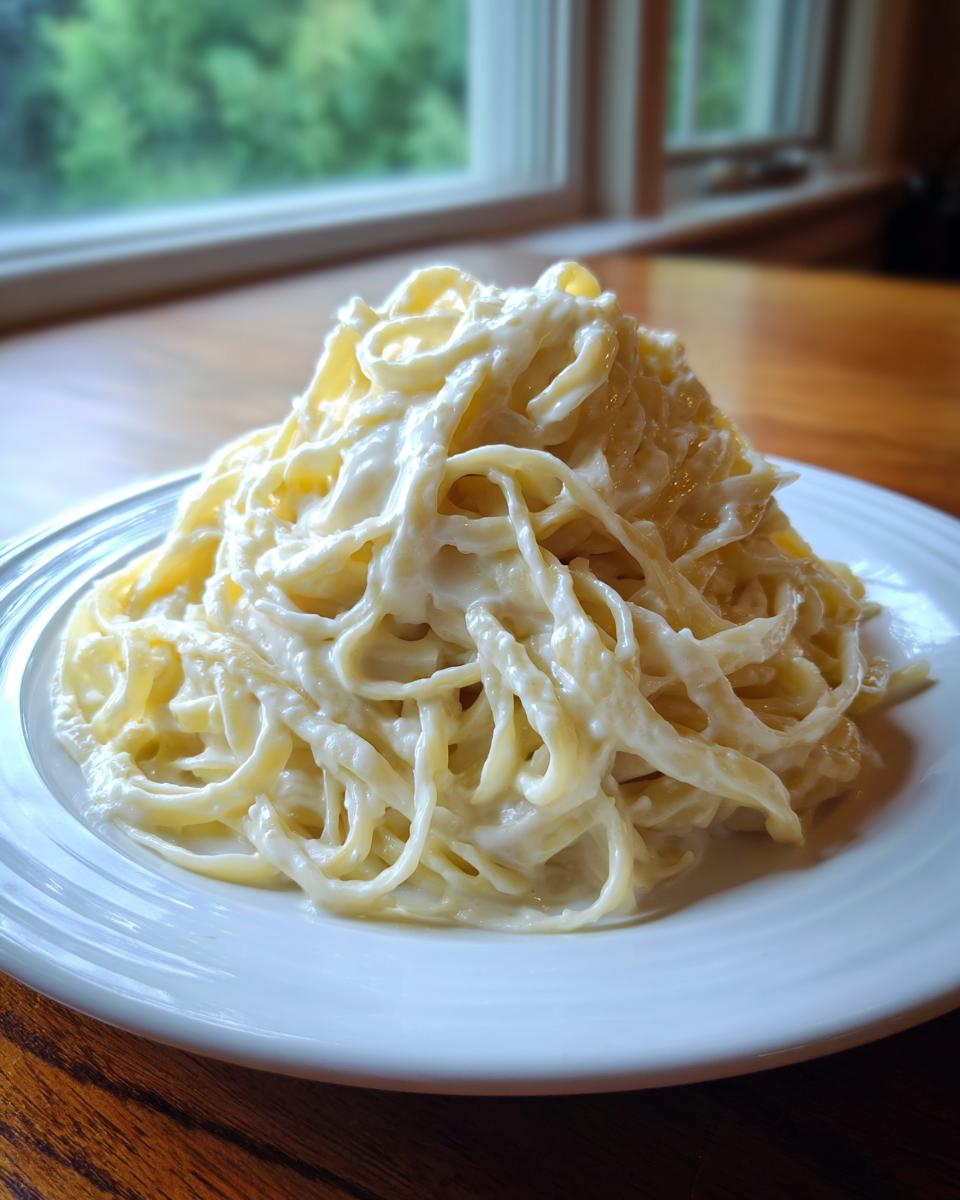
Finishing the Olive Garden Alfredo Copycat with Parmesan
Once you have that perfect, smooth consistency, pull the entire pan right off the burner. Heat is the enemy of melted cheese! Now, gradually whisk in your beautiful, freshly grated Parmesan, a little bit at a time. Let all that cheese fully incorporate before you dump in the next handful. This prevents seizing. Once all the cheese is in and smooth, stir in your salt, pepper, and garlic powder. Give it a quick taste—does it need more salt? Perfect! Toss it onto your fettuccine immediately!
Serving Your Quick Alfredo From Scratch
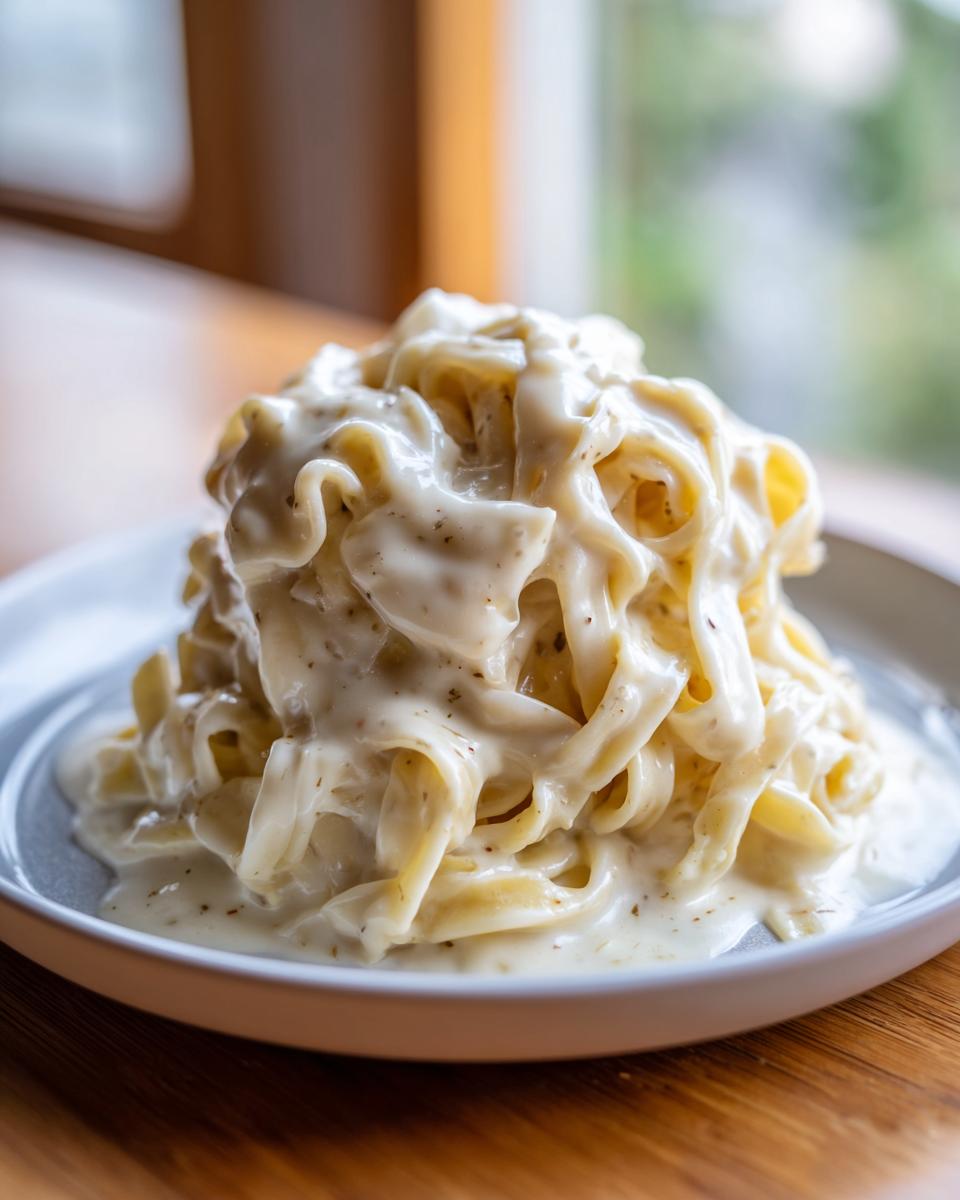
Patience is over, now it’s time to eat! This sauce comes together so fast—it’s a genuine weeknight wonder. Of course, the absolute best way to enjoy this rich, cheesy white sauce is tossed generously with hot, perfectly cooked fettuccine. My full recipe for easy fettuccine alfredo recipe shows you how to cook the pasta just right so it clings perfectly to every strand.
Pairing Ideas for This Rich Cheesy White Sauce
If you want to stretch this sauce or add some greens, I’ve got a few easy family favorites! Steamed broccoli florets fold in beautifully and add a little crunch. If you’re leaning into a big meal, you can’t go wrong just spooning this over some grilled chicken breasts or sautéed shrimp. It instantly turns dinner into something special, perfect for a cozy night in.
Storage and Reheating Tips for Your Olive Garden Alfredo Copycat
The very best part about making Italian favorites at home is getting to enjoy the leftovers! Now, this is a very rich cheesy white sauce, and because of all that dairy—especially the cream cheese—it will definitely thicken up in the fridge. I mean, really thicken! Don’t panic when you pull out that container though; it doesn’t mean the sauce is ruined.
When you go to reheat it, put the sauce in a small saucepan over low heat. The key to bringing it back to life is moisture. You need to whisk in a little bit of liquid as it warms up. I strongly recommend using a tablespoon or two of the starchy water you used to cook your pasta, if you remembered to save some!
If you didn’t save any pasta water, just use a splash of milk or even plain water until it loosens up. Whisk it constantly over low heat until it’s glossy and smooth again. Never, ever try to blast this in the microwave! That high, uneven heat will just make the fat separate, and you’ll end up with an unappetizing puddle instead of that gorgeous, thick texture we worked so hard for.
Troubleshooting Common Issues with Alfredo Sauce
Look, even when you follow a foolproof recipe like this wonderful olive garden alfredo copycat, sometimes things just don’t behave in the kitchen. That’s okay! Remember, I spent thirty years teaching children how to handle setbacks, and cooking is no different. When troubleshooting, we look at the symptoms and apply the right ‘remedy.’ If your sauce isn’t acting right, don’t scrape it down the drain! We can usually fix it right on the stovetop.
Sauce is Too Thin—It Won’t Cling to the Pasta
This usually happens if you use whole milk instead of heavy cream, or maybe you didn’t let it simmer quite long enough before adding the cheese. If you’re left with a watery pool on your plate, don’t worry. The solution is easy, but requires patience. Turn the heat down to the absolute lowest setting—we need gentle warmth, not a rolling boil. Then, slowly whisk in about 1/4 cup of extra grated Parmesan cheese. If that doesn’t tighten it up enough, try whisking in just a tablespoon of room-temperature cream cheese cubes, letting them melt fully before adding more. This will boost the richness and body instantly.
The Sauce Broke or Separated (It Looks Oily or Curdled)
This is the scariest moment! Separation happens when the sauce gets too hot after the cheese has been added, or sometimes if the cream cheese clumps up oddly. Browning butter at the beginning also contributes to this. If you see oil pooling on top or curds forming, immediately pull the pan off the heat. Let it cool down for about 30 seconds. Then, start whisking vigorously while adding one tablespoon of *cold* liquid—this could be reserved pasta water or even just cold whole milk. The temperature shock and extra liquid can shock the emulsion back into place. Keep whisking gently off the heat until it comes back together. It often works wonders!
The Sauce Turned Out Grainy or Gritty
Aha! If your creamy homemade alfredo feels like sand in your mouth, I bet you used pre-shredded Parmesan. I know, I know, you were in a rush! Pre-grated cheese is coated in cellulose or potato starch to stop clumping in the bag, and those particles don’t melt smoothly into a sauce. If you’ve already added the cheese, you can try straining it through a fine-mesh sieve set over a clean bowl, pushing the sauce through with a rubber spatula. It’s messy, but it pulls out the grainy bits left behind by the anti-caking agents. Next time, though, please remember my advice about grating fresh cheese for that perfect restaurant style pasta sauce texture!
The Flavor Seems Flat
Sometimes the sauce looks perfect but just tastes… meh. This often happens when your ingredients aren’t quite up to snuff, or perhaps you’re making a huge batch where the seasoning needs boosting. Taste the sauce *before* tossing it with the pasta. If it’s lacking, add a tiny pinch more salt and black pepper. A secret I use when making this as a large family favorite pasta dinner is to add a scant 1/8 teaspoon of dried ground nutmeg. It doesn’t make it taste like nutmeg, but it enhances the savory depth of the cream and cheese beautifully.
Frequently Asked Questions About This Best Alfredo Sauce Recipe
I always tell folks that the best way to learn is by asking! When I taught my own children how to cook, the questions always led to the best learning moments. Here are a few things I hear most often about making this excellent olive garden alfredo copycat sauce at home, especially regarding texture and quality.
Can I make this copycat restaurant pasta sauce ahead of time?
You certainly can! Since this is such a rich cheesy white sauce, it stores beautifully, just remember that it will solidify quite a bit once chilled because of the cream cheese and butter. You can keep it airtight in the refrigerator for up to three or four days. When you’re ready to eat, follow the reheating tips I mentioned earlier: low heat, whisking constantly, and adding a splash of reserved pasta water or milk until you get that luscious, pourable consistency back again. It’s a lifesaver for busy weeknights!
Is this sauce suitable for a date night pasta recipe?
Absolutely, my dear! This sauce is decadent, rich, and tastes far more luxurious than the time it took to make. It’s perfect for a special Italian restaurant favorites at home moment. For a truly memorable date night pasta recipe, I highly suggest pairing it with some pan-seared scallops or perfectly cooked shrimp. That little bit of seafood flavor with the creamy homemade alfredo? Oh, it’s divine!
Why is my sauce never as thick as the restaurant’s?
This is usually a heat issue or ingredient ratio problem. Remember, my recipe uses that stabilizing agent—the cream cheese—which makes it much thicker than authentic Italian sauces. If yours is still too thin after whisking in the Parmesan, make sure you aren’t rushing the heat. You need a very gentle simmer to reduce the cream slightly, or simply keep whisking in more Parmesan until you hit that perfect density. Just remember the rule: always take it off the heat when adding the cheese!
Can I use half-and-half instead of heavy cream?
While I always sing the praises of heavy cream for a truly rich, thick sauce, I know sometimes we have to make do with what we have on hand. Half-and-half will work in a pinch for this quick alfredo from scratch, but expect a noticeably thinner sauce. You might need to reduce the cream down a little longer before adding the cheese, or incorporate more Parmesan during the final step to reach the body you desire. Just be extra careful not to scorch it when reducing!
Estimated Nutritional Snapshot for Your Olive Garden Alfredo Copycat
Now, I always want to be crystal clear with you all. Cooking by Carla is about real food made by real people in real kitchens, not a fancy lab! The nutritional information I’m sharing here is an estimate based on the standard ingredients listed in the recipe and common preparation methods. These numbers help guide your expectations, especially for a rich dish like this, but they aren’t a substitute for professional dietary advice.
This sauce is definitely a delicious indulgence, perfect for when you want that classic, satisfying flavor. Here is the breakdown per serving size (which we calculate as about 1/4 cup of sauce):
- Serving Size: 1/4 cup
- Calories: 450
- Fat: 45g
- Saturated Fat: 28g
- Trans Fat: 1g
- Cholesterol: 140mg
- Sodium: 450mg
- Carbohydrates: 4g
- Fiber: 0g
- Sugar: 2g
- Protein: 15g
Because this copycat recipe relies heavily on butter, heavy cream, and that wonderful cream cheese, the fat content is naturally high. If you’re planning one of those wonderful family favorite pasta dinners, just be mindful of your portion sizes! When you make amazing Italian restaurant favorites at home, sometimes you just have to savor the richness!
Share Your Homemade Restaurant Style Pasta Sauce Creations
My greatest joy isn’t just seeing you successfully recreate my recipes; it’s hearing about your successes and seeing how you make them your own! This olive garden alfredo copycat sauce is meant to be enjoyed with family and friends, and I truly want to hear all about your dinner table moments.
If you made this sauce and it brought a smile to your face—or maybe convinced your picky eater to finally try pasta—please take a moment to give the recipe a rating! Five stars means the world to me and helps other home cooks find this dependable guide to restaurant style pasta sauce.
And don’t be shy! Drop a comment below and tell me exactly what you served it with. Did you make a simple fettuccine? Did you top it with roasted asparagus or maybe some homemade meatballs? I always love getting new ideas for serving this creamy homemade alfredo!
If you happened to mess up along the way and need some one-on-one advice to fix it, don’t hesitate to reach out to me directly through the contact page. We’ll figure it out together. Happy cooking, friends!
PrintCopycat Olive Garden Alfredo Sauce Recipe
Make the rich, creamy Alfredo sauce served at Olive Garden right in your home kitchen with this straightforward copycat recipe. This sauce achieves the signature thickness and cheesy flavor you love.
- Prep Time: 5 min
- Cook Time: 15 min
- Total Time: 20 min
- Yield: About 3 cups of sauce 1x
- Category: Sauce
- Method: Stovetop
- Cuisine: Italian-American
- Diet: Vegetarian
Ingredients
- 1 cup unsalted butter
- 1 cup heavy cream
- 8 ounces cream cheese, cubed
- 2 cups freshly grated Parmesan cheese
- 1 teaspoon salt
- 1/2 teaspoon black pepper
- 1/4 teaspoon garlic powder
Instructions
- Melt the butter in a medium saucepan over medium heat. Do not let it brown.
- Pour in the heavy cream and bring the mixture to a gentle simmer, stirring occasionally. Reduce the heat to low.
- Add the cubed cream cheese to the saucepan. Whisk continuously until the cream cheese is completely melted and the sauce is smooth. This step is key for a thick and creamy pasta sauce.
- Remove the saucepan from the heat. Gradually whisk in the grated Parmesan cheese until it is fully incorporated and the sauce is smooth.
- Stir in the salt, black pepper, and garlic powder. Taste and adjust seasonings as needed.
- Toss immediately with cooked fettuccine or use as a base for other dishes.
Notes
- For the best texture, use freshly grated Parmesan cheese; pre-shredded cheese often contains anti-caking agents that can make the sauce grainy.
- If the sauce becomes too thick upon cooling, whisk in a tablespoon or two of reserved pasta water or milk until you reach your desired consistency.
- This recipe makes a rich cheesy white sauce perfect for a date night pasta recipe.
Nutrition
- Serving Size: 1/4 cup
- Calories: 450
- Sugar: 2
- Sodium: 450
- Fat: 45
- Saturated Fat: 28
- Unsaturated Fat: 17
- Trans Fat: 1
- Carbohydrates: 4
- Fiber: 0
- Protein: 15
- Cholesterol: 140