

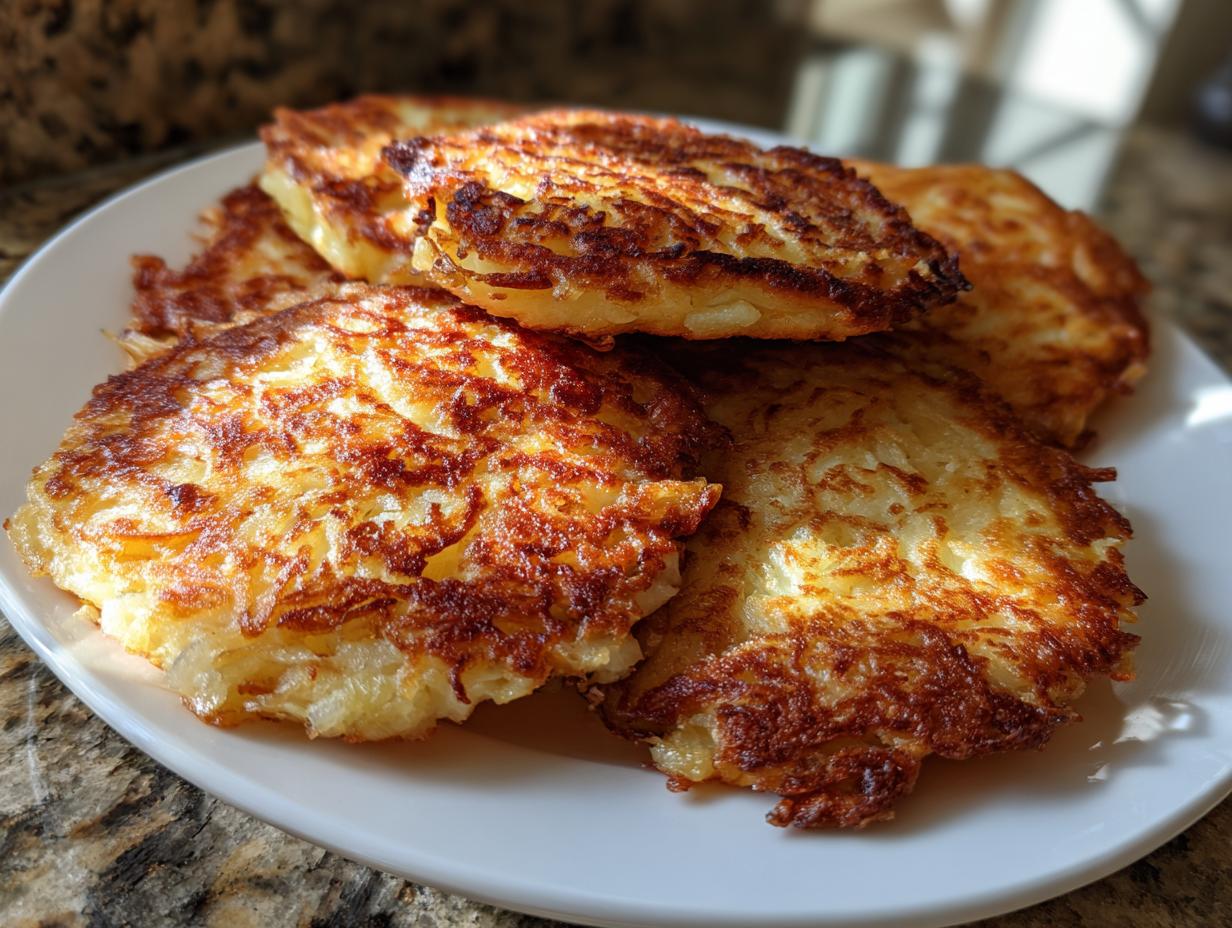
There’s just something about food that tastes like a warm hug, isn’t there? For me, that universal comfort always leads straight back to simple, hearty fare, and nothing fits that bill quite like a perfect potato pancake. If you’ve ever wanted to master polish potato pancakes (or Placki Ziemniaczane, as they are properly called), you’ve come to the right place. I’m Carla, and after years of teaching little ones how to read, I love teaching home cooks like you exactly how to make food that tastes like tradition. Trust me, this is the Best Potato Pancake Recipe you’ll ever need to get that wonderful, crispy result every single time.
- Why This is the Best Potato Pancake Recipe for Authentic polish potato pancakes
- Gathering Ingredients for your polish potato pancakes
- How to Make Placki Ziemniaczane: Step-by-Step polish potato pancakes
- Traditional Serving Suggestions for polish potato pancakes
- Tips for Success When Making polish potato pancakes
- Variations on Classic Eastern European Recipes
- Storage and Reheating Instructions
- Frequently Asked Questions About polish potato pancakes
- Sharing Your Authentic Polish Cuisine at Home Experience
Why This is the Best Potato Pancake Recipe for Authentic polish potato pancakes
I’ve tried just about every trick out there for making potato pancakes, and I can tell you honestly—the best ones aren’t fussy; they are just done right the first time. This recipe for polish potato pancakes stands out because it keeps the ingredient list wonderfully simple. We aren’t loading these with baking powder or cheeses; we are letting the potato and onion sing! That classic flavor doesn’t come from complicated spice blends, but from properly rendered fat and that incredible contrast between the crisp outside and the soft, starchy center. If you follow my steps, you’ll get that famous crispy texture that makes people ask for seconds immediately. For more crispy perfection, you might want to check out my tips on making crispy fried potatoes too.
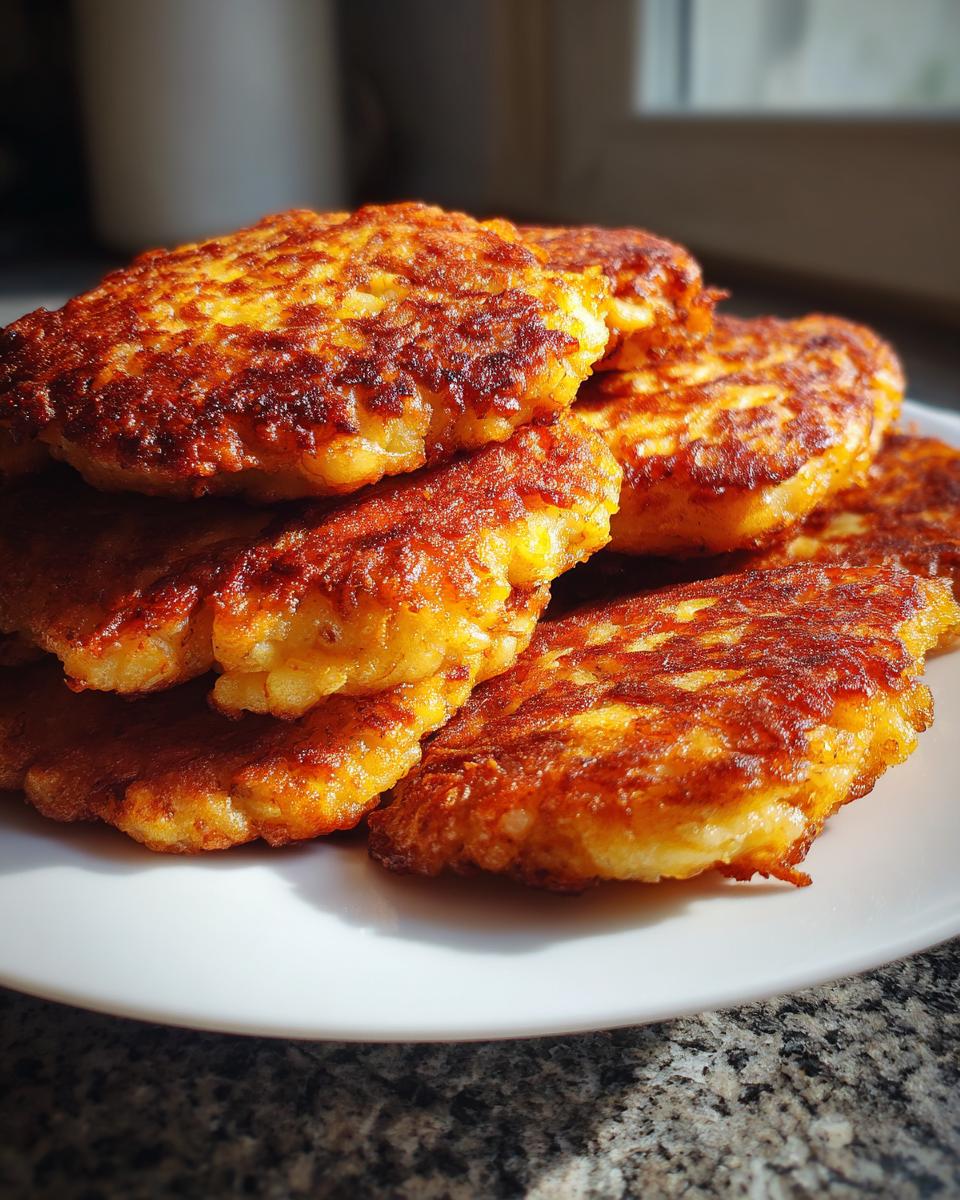
Key Factors for Crispy polish potato pancakes
If you want true crispiness in your polish potato pancakes, you need two things locked down: the potato choice and getting the moisture out first. We always use Russet potatoes because they are wonderfully starchy, which is what creates that perfect binder. Don’t even think about thin, waxy potatoes here; they just don’t work! Next, and I cannot stress this enough, you must squeeze every drop of water you can get out of that shredded mix. That excess liquid is the enemy of crispy edges!
Gathering Ingredients for your polish potato pancakes
Alright, now that we’re convinced this is the right recipe, let’s talk about what you need! Getting the ingredients right is the first big step toward authentic flavor. You’ll need about three pounds of Russet potatoes, peeled, along with one medium yellow onion, also peeled. Two large eggs are essential for binding everything together, and we keep the dry stuff simple with just a quarter cup of flour, one teaspoon of salt, and half a teaspoon of pepper. That’s it! See? Clean and simple, just the way my mother taught me. Keep everything measured out before you start grating!
Ingredient Notes and Substitutions
This recipe is designed to be a wonderful, satisfying Simple Potato Side Dish, but how you fry it makes a huge difference. I insist on Russet potatoes because their high starch content collapses perfectly when fried, giving you that desirable fluff inside. If you use waxy red potatoes, well, you’ll end up with more of a hash brown texture, and we aren’t making hash browns today! Now for the fat: while vegetable oil works great and is easy, if you really want that deep, truly traditional flavor that hooks a Polish grandparent, you need to fry these in lard. It smokes a tiny bit higher and adds an unmistakable richness. Don’t skip the salt—it draws out just enough moisture to help with crisping.
How to Make Placki Ziemniaczane: Step-by-Step polish potato pancakes
This is where the magic happens, and honestly, this is the part that makes these polish potato pancakes truly special. Once you grate the potatoes and onion, you need to move fast! Oxidation wants to turn those beautiful shreds gray the second they hit the air, and soggy potatoes make for sad pancakes. We are aiming for crisp, golden perfection here, so once it’s mixed, it goes right into the hot oil. Trust me when I say that following these steps exactly is the secret to moving past those soft, heavy versions of potato pancakes you might have tried before. If you’re looking for hearty flavor partners down the line, I always talk about my homemade cream of chicken soup base, but for right now, focus on the squeeze!
The Critical Step: Removing Potato Liquid
Okay, listen up—this step is the absolute most important part of making polish potato pancakes that actually crisp up nicely. After you grate the potatoes and the onion, you have to take all that liquid out. I use a clean kitchen towel—never use something that’s already wet! Dump the shreds in the center, twist the towel tight over your bowl, and just squeeze with all your might until nothing more drips out. You want dry shreds. This moisture is the enemy of a satisfying crunch!
Frying Technique for Crispy Fritters Cooking Tips
When you’ve got your batter ready to go, you need a heavy skillet with about half an inch of oil heated up until it starts to shimmer slightly. You’ll know it’s ready! Drop spoonfuls of the mix in, but don’t make them too thick—maybe about three inches wide and half an inch deep is good for those perfect crispy edges. Never crowd the pan; if you put too many in, the temperature drops instantly, and you end up steaming them instead of frying them, which ruins our goal of making Crispy Fritters Cooking Tips perfection. Cook them until they are deep golden brown on both sides!
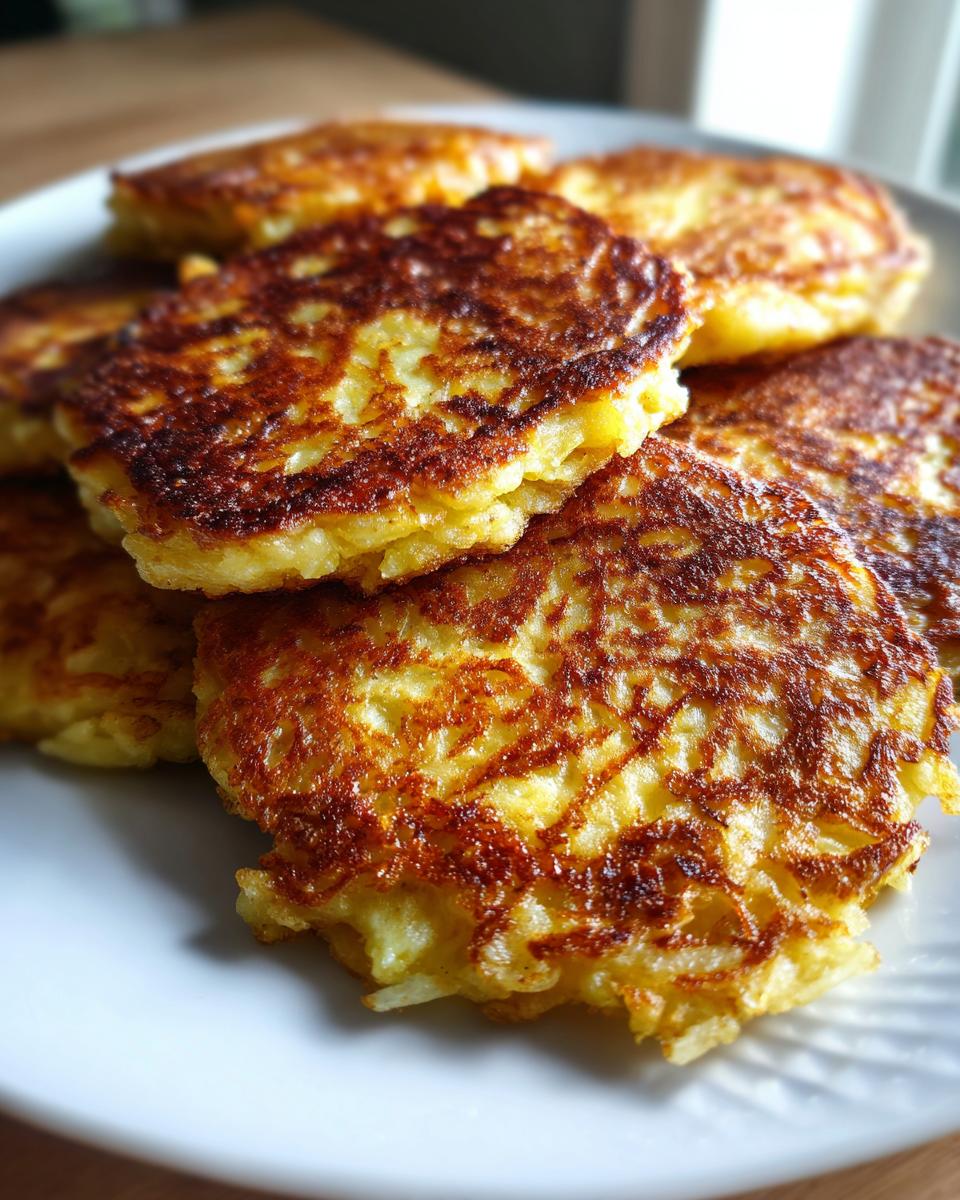
Traditional Serving Suggestions for polish potato pancakes
Oh, the toppings! This is where polish potato pancakes really become a full meal, or certainly an amazing side dish. In Poland, you see everything from sweet to savory, and I love having options ready so everyone at the table is happy. The most traditional savory accompaniment is definitely sour cream—nothing beats that cool tang against the hot, salty potato! But don’t forget the sweet side; many folks in my family grew up eating them sprinkled with just a little sugar, or dolloped generously with applesauce. If you want something truly hearty, serve them underneath a rich, slow-cooked goulash or meat sauce. If you are dipping into the sweet route, I have a lovely, simple recipe for homemade applesauce that pairs perfectly.
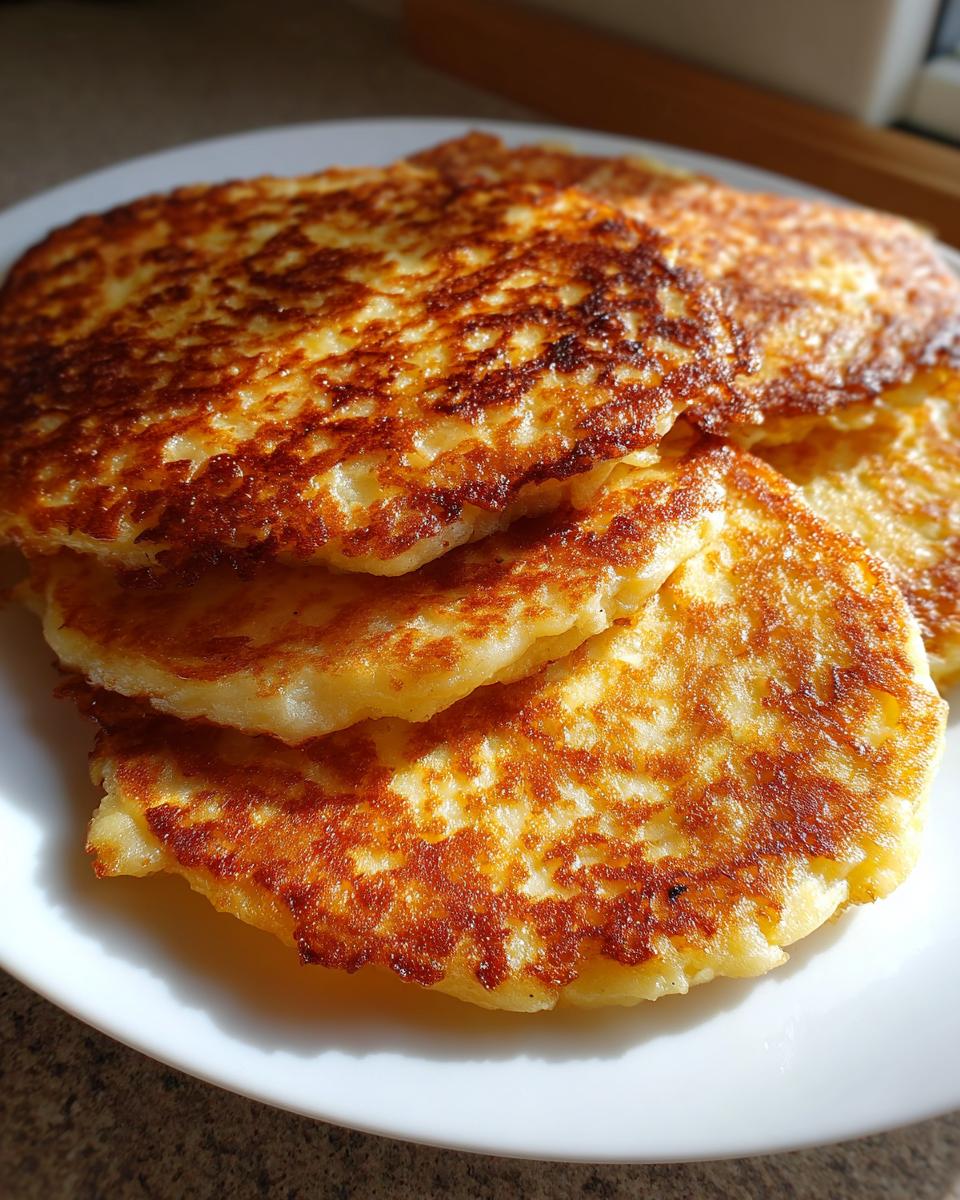
Making Traditional Sour Cream Toppings
To elevate your plain sour cream for this wonderful Simple Potato Side Dish, try this trick: take a cup of good quality full-fat sour cream, and stir in a tiny pinch of salt, maybe a whisper of white pepper, and a few drops of fresh lemon juice or white vinegar. That tiny bit of acid brightens up the heavy flavor of the fried pancake beautifully. If you have fresh chives (my favorite!), chop them fine and stir them in at the very end. It makes your Traditional Sour Cream Toppings look fancy but it takes about twenty seconds!
Tips for Success When Making polish potato pancakes
Now that you’ve made your beautiful batter, let’s talk about keeping those polish potato pancakes perfect right up until they hit your plate. My notes from decades of frying these fritters are focused mostly on avoiding sogginess and crumbling, which are the two biggest roadblocks home cooks face. Remember how I stressed squeezing out all that liquid? That prevents sogginess! If you notice your batter seems too loose once you’ve squeezed the potatoes, don’t panic—just mix in one extra tablespoon of flour. That little bit of insurance stops your pancakes from falling apart in the hot oil, which is frustrating for everyone.
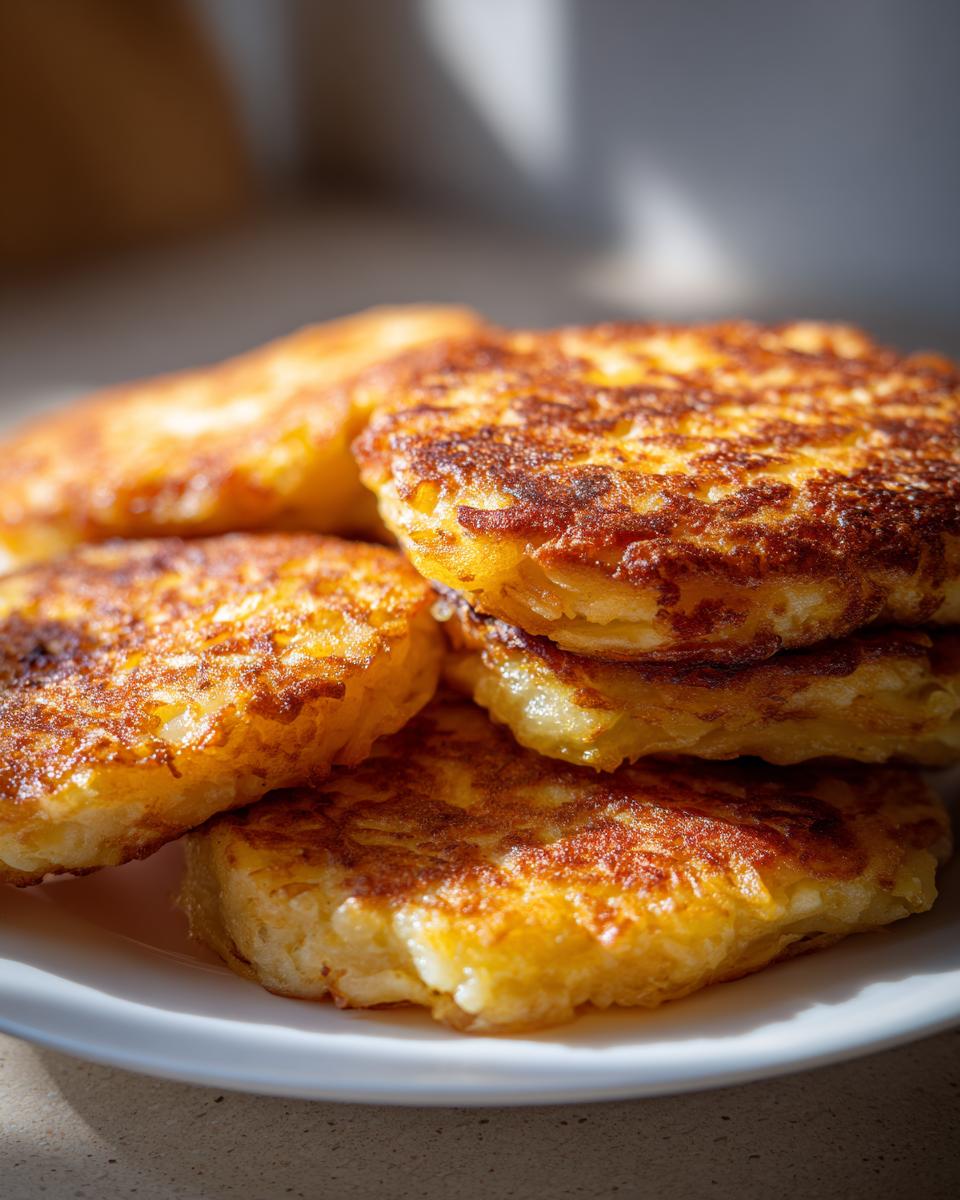
Another thing I learned is timing. Don’t let that mixed batter sit on the counter while you answer emails or do a load of laundry. The potatoes start weeping again, and you lose that crucial crisp factor. Fry them immediately! Use a wire rack, not just paper towels, to let the excess oil drip off; this lets air circulate underneath and keeps that bottom side from getting soggy while you finish the batch. Following these little tricks ensures you get the classic, crispy result every single time you make these.
Variations on Classic Eastern European Recipes
While my recipe sticks close to what I grew up with because it works so well, sometimes you just want to shake things up a little, right? Even within Classic Eastern European Recipes, there are lots of ways to jazz up your potato pancakes. Since this base recipe is already vegetarian—hooray for fewer worries!—we can focus on flavor boosts. If you love savory herbs, try adding about half a teaspoon of dried marjoram right into the mix with your salt and pepper. It gives a wonderful, earthy note that pairs beautifully with the onion.
For those who like a little kick, a gentle shake of garlic powder, maybe a quarter teaspoon, really wakes everything up. Or, if you’re looking for other ways to use potatoes that aren’t pancakes, check out my recipe for garlic and herb roasted vegetables! Those herbs really sing in roasted potatoes, too. The main thing is keeping the potato-to-onion ratio solid so you don’t lose that signature texture.
Storage and Reheating Instructions
Even the best batch of polish potato pancakes rarely lasts long, but if you have leftovers, we need to treat them right so they don’t turn to mush later! You can keep them in an airtight container in the fridge for up to three days. When you’re ready for a snack, please, for my sake, skip the microwave! Microwaving just steams them all over again. The secret to getting that lovely crisp back is using dry heat. I find the best way is a quick blast in the oven at about 375°F, or even better, toss them in the air fryer for five minutes. If you’re looking for other great ways to crisp things up fast, you should look at my air fryer pork chops recipe guide!
Frequently Asked Questions About polish potato pancakes
Can I grate the potatoes ahead of time for polish potato pancakes?
Oh, please don’t! I know we are all busy, but the second those shredded potatoes hit the air, they start turning gray because of oxidation. We want those lovely, pale shreds for our polish potato pancakes. You really need to grate, squeeze, mix, and fry all in one go. It keeps the mixture fresh and guarantees the best texture when you are done!
What is the difference between polish potato pancakes and latkes?
That’s a great question, and it comes up a lot since people look for a Homemade Potato Latkes Alternative. Honestly, the basic structure is the same: grated potato, onion, egg binder. The main difference usually comes down to serving style! In our family, we lean toward sour cream or applesauce, whereas Latkes often get served with sour cream or things like smoked salmon. They are close cousins, though!
How can I make these a main course instead of a side dish?
Absolutely! While they are a fantastic side, they are very filling, which is why they are such a wonderful part of our Dinner Ideas with Potatoes rotation. To turn polish potato pancakes into a star main course, you just need a really hearty topping. A rich, slow-simmered mushroom gravy is incredible on top. Or, serve them smothered in a decent, thick meat sauce—it turns a simple fritter into a deeply satisfying meal. If you want another great potato dish, you should check out my recipe for the ultimate cheesy hash brown bake!
Sharing Your Authentic Polish Cuisine at Home Experience
Now that you’ve mastered the art of the perfect crush and squeeze, I truly hope you enjoy these polish potato pancakes. They bring so much joy to my table, and I’m thrilled they can grace yours! If this recipe becomes a new family favorite, please hop back here and leave a rating. Even better, send me a note or share a picture of your beautifully fried fritters—I just love seeing your successes in embracing Authentic Polish Cuisine at Home! For more about my own journey in the kitchen, you can always read more about Carla right here.
PrintTraditional Polish Potato Pancakes (Placki Ziemniaczane)
Make authentic, crispy Polish potato pancakes using this straightforward recipe. These fritters have a crisp exterior and tender inside, perfect for serving with sour cream or applesauce.
- Prep Time: 20 min
- Cook Time: 25 min
- Total Time: 45 min
- Yield: About 16 pancakes 1x
- Category: Side Dish
- Method: Pan Frying
- Cuisine: Polish
- Diet: Vegetarian
Ingredients
- 3 lbs Russet potatoes, peeled
- 1 medium yellow onion, peeled
- 2 large eggs
- 1/4 cup all-purpose flour
- 1 teaspoon salt
- 1/2 teaspoon black pepper
- Vegetable oil or lard, for frying
Instructions
- Grate the potatoes and onion using the fine side of a box grater or a food processor with a grating disc.
- Place the grated mixture in a clean kitchen towel or several layers of cheesecloth. Twist and squeeze firmly over a bowl to remove as much liquid as possible. Discard the liquid.
- Transfer the dry potato and onion mixture to a large bowl.
- Add the eggs, flour, salt, and pepper to the bowl. Mix well until just combined. Do not overmix.
- Heat about 1/2 inch of vegetable oil or lard in a large, heavy-bottomed skillet over medium-high heat until shimmering.
- Drop rounded tablespoons of the potato mixture into the hot oil, flattening them slightly with the back of the spoon to form 3-inch pancakes. Work in batches to avoid overcrowding the pan.
- Fry for 3 to 5 minutes per side, until deeply golden brown and crisp.
- Remove the pancakes from the oil and place them on a wire rack set over a baking sheet or on a plate lined with paper towels to drain excess oil.
- Serve immediately while hot with your preferred toppings.
Notes
- Squeeze out all the liquid from the potatoes; this step is key to achieving crispy pancakes.
- If the batter sits too long, it will release more liquid. Fry immediately after mixing.
- For extra crispiness, use lard instead of vegetable oil for frying.
- If the pancakes start to fall apart, add one more tablespoon of flour to the remaining batter.
Nutrition
- Serving Size: 1 pancake
- Calories: 120
- Sugar: 0.5
- Sodium: 180
- Fat: 7
- Saturated Fat: 2
- Unsaturated Fat: 5
- Trans Fat: 0
- Carbohydrates: 13
- Fiber: 1
- Protein: 2
- Cholesterol: 30